As drones and ground robots reshape combat, newly trained Ukrainian paratroopers continue traditional parachute and endurance training to build psychological resilience and unit cohesion. Ukraine says about 90% of targets are now destroyed by drones, but officers argue parachute drills and brutal physical tests still matter for character, morale and holding ground. Trainees and commanders stress that territory is defended by people in place, not by machines alone.
People, Not Robots: Ukrainian Paratroopers Stress Human Resolve as Drones Dominate the Battlefield
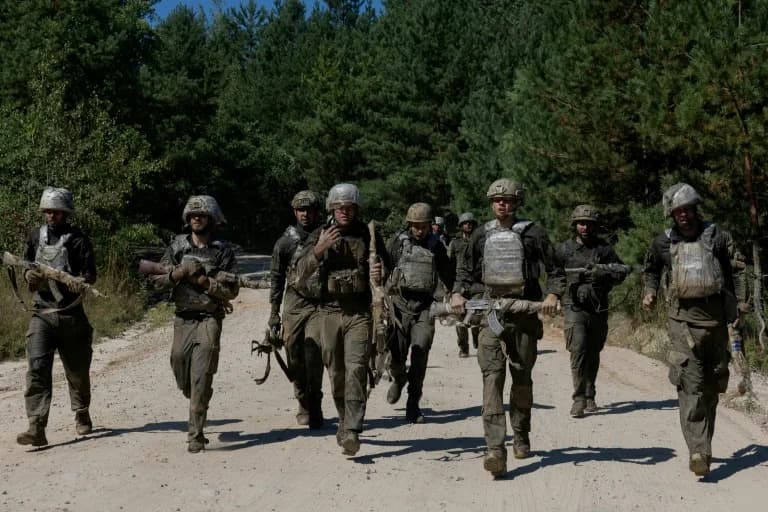
Around 90 percent of targets are now destroyed by drones, Kyiv says (Tetiana DZHAFAROVA)
On an unexpectedly frosty August morning, a few hundred newly graduated Ukrainian paratroopers walked across a corn and rapeseed field preparing for their first training jump. Sitting in line with heavy kit strapped on, many recruits know they are unlikely to perform such a parachute drop in an active combat zone.
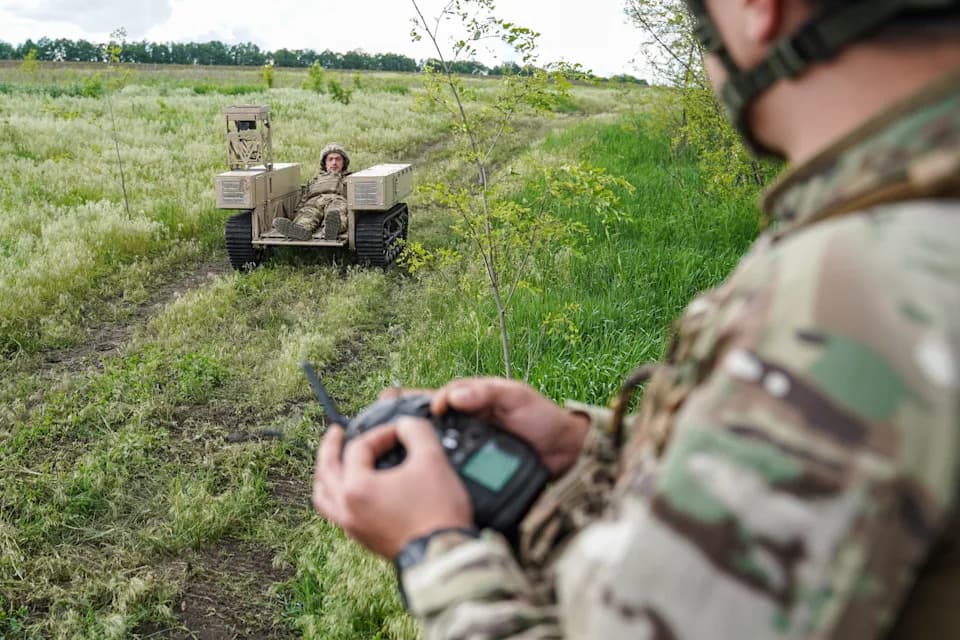
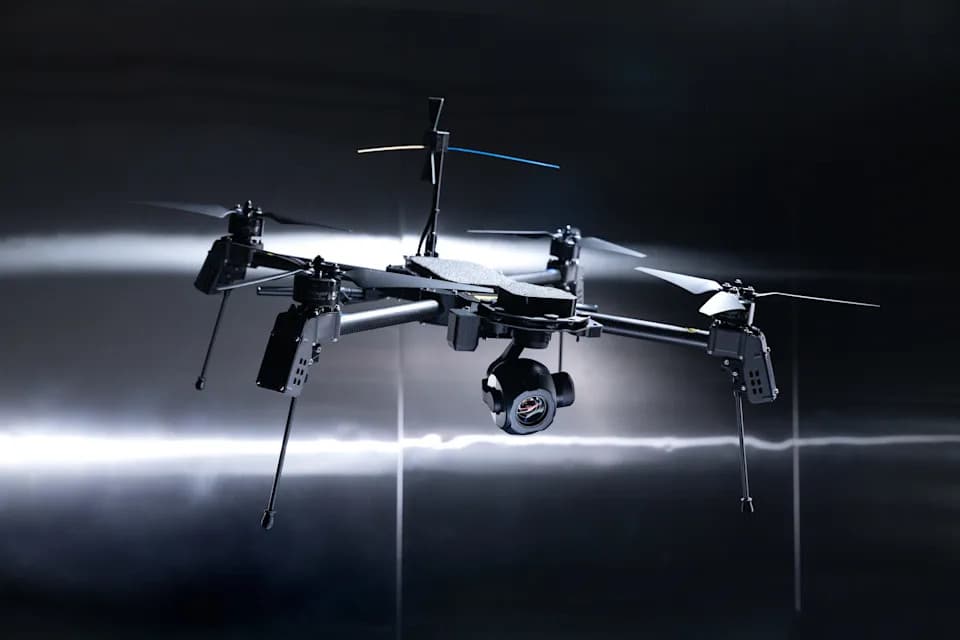
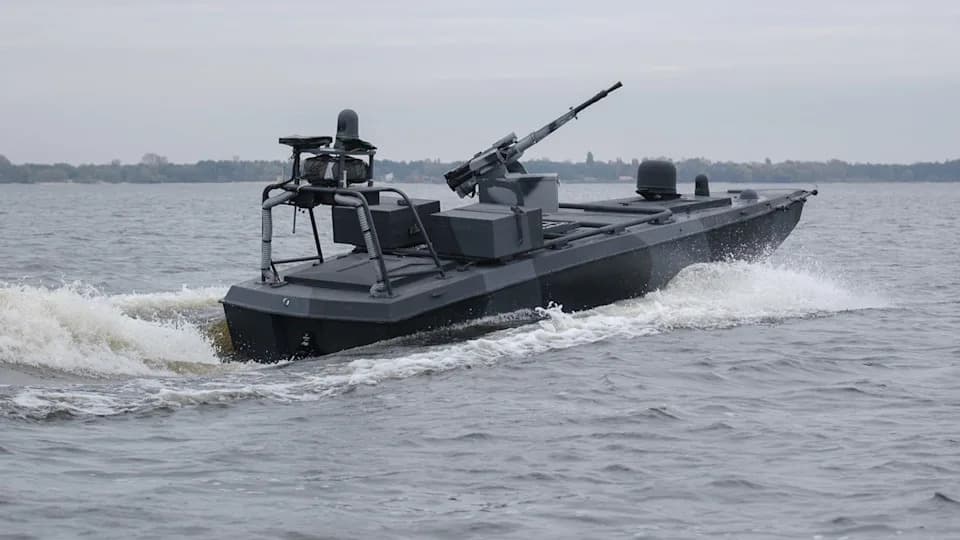
Four years after Russia's invasion, technology has reshaped how the war is fought and what is expected of frontline soldiers. Drones now dominate the skies and ground robots are increasingly used to fight and resupply units in dangerous positions. "Airdropping personnel with parachute systems is impractical because, unfortunately, the enemy's assets can neutralize them very rapidly," said 24-year-old instructor Axel.
Forging Character
Airborne formations have long been regarded as elite. Parachute operations have been a hallmark of such forces since World War II. But in the current conflict, Ukraine's fresh paratroopers will be tasked mainly with holding the line and pushing back enemy advances rather than massed drops behind enemy lines.
"Parachute jumps behind enemy lines are not practical at all in modern warfare," said young officer Roman Kulievych at the training site in central Ukraine. "But it endures anyway as a tradition that forges character, one that sets us apart from other branches of the armed forces." Trainers argue that practising traditional skills serves a deeper purpose than the manoeuvre itself: it reveals how recruits handle extreme stress, overcome fear and bond as a unit.
The final test to earn the paratrooper's beret is an arduous forced march. Amid simulated explosions, gunfire and shouted orders, candidates trudge for kilometres over sand and through swamps while confronted with the sight and smell of staged casualties. At the finish line each trainee faces hand-to-hand combat against three veteran paratroopers, one after another.
"It shapes your psyche and moulds your motivation to fight, so that in critical situations you know you are capable of something more," said a 21-year-old rookie who uses the callsign Karyi.
People, Not Robots
For soldiers at the front, the principal threat is often not a charging infantryman but an unseen operator guiding a drone from afar. Instructors say this reality makes conventional troops even more in need of mental resilience: extended periods without rotations, food shortages and the fear that any movement could reveal a position to the eyes in the sky are daily hardships in drone-dominated warfare.
An air-raid alert briefly halted training as flights were grounded until the danger passed. The company commander alternated hard-edged orders with rough humour and a pragmatic care for his young soldiers. One paratrooper offered a handshake and the wish of luck; another replied bluntly, "Luck is for losers. In our line of work, it's skill and courage."
Yuriy, a senior instructor who led a squad through the gruelling course, sometimes questions whether such trials are fully necessary given the changing battlefield. "Maybe one day only techies will do the fighting," he said. "But still, territory is only held by a unit when actual units are standing there — meaning people, not robots."
Karyi echoed that view: "First and foremost, a human is still behind all of this, and these people must be of high quality."
According to Ukraine's Defence Ministry, around 90 percent of targets were destroyed by drones as of July — a stark demonstration of how technology is changing tactics. Yet instructors and trainees insist human courage, cohesion and presence on the ground remain decisive.
Help us improve.