The FDA has cleared Aletta, the first standalone robotic device authorized to draw blood from adult outpatients with minimal hands-on operator intervention. A trained phlebotomist must start and supervise each session and may oversee up to three devices at once. Aletta uses near-infrared light and Doppler ultrasound to find veins, then autonomously applies a tourniquet, disinfects skin, inserts and disposes of the needle, swaps tubes and bandages the site. Clinical testing showed success rates comparable to or better than trained phlebotomists; adverse events were uncommon and generally mild.
FDA Authorizes Aletta — First Standalone Robotic Device Cleared To Draw Blood Autonomously
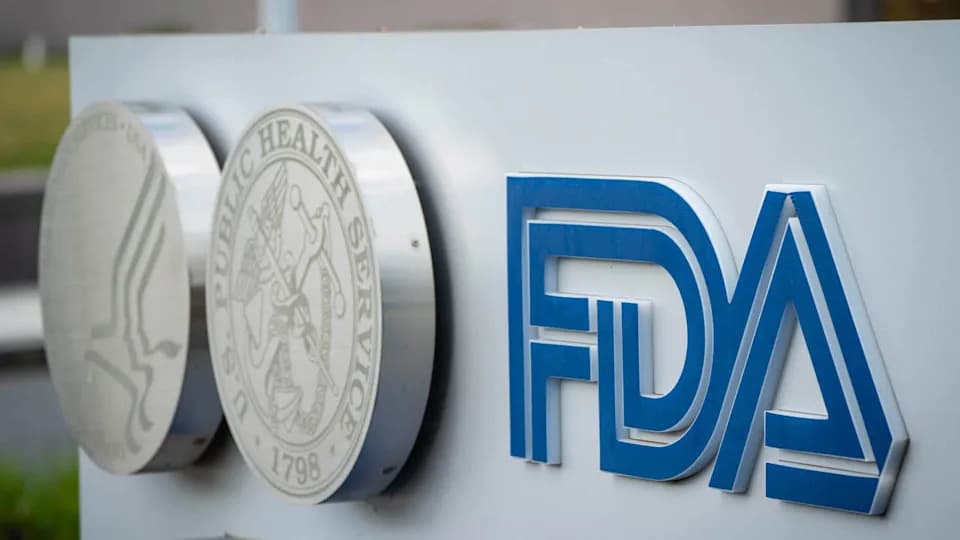
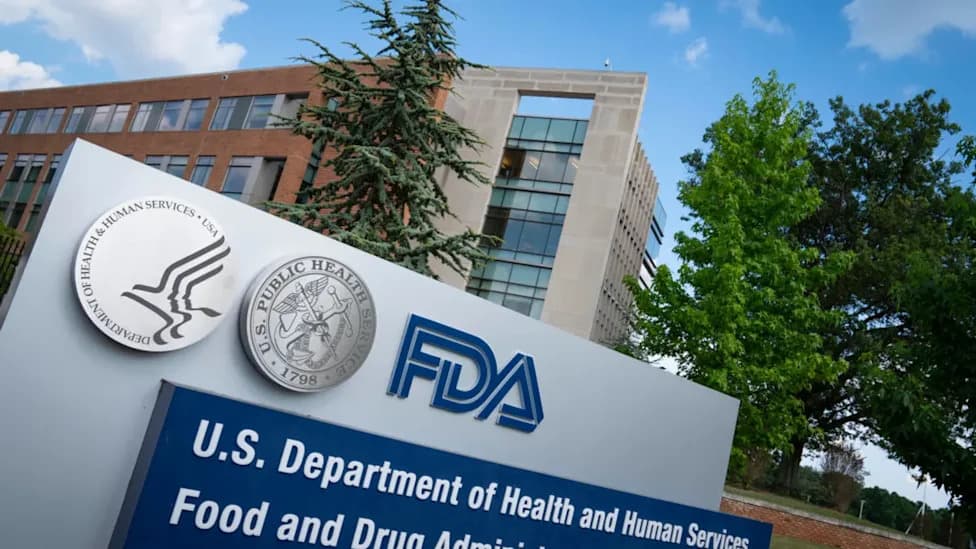
A sign for the Food And Drug Administration is seen outside of the headquarters on July 20, 2020 in White Oak, Maryland. (Credit: Sarah Silbiger/Getty Images)
WASHINGTON — The U.S. Food and Drug Administration has authorized Aletta, the first standalone robotic system cleared to perform blood draws from an adult patient’s arm without direct, hands-on operator intervention.
Announced Wednesday, the authorization covers outpatient adult settings and requires that a trained phlebotomist initiate and supervise each session. The device performs most of the technical steps autonomously while a human professional remains available to intervene if needed.
How Aletta Works
Aletta guides the patient into position and, after the operator presses a button to begin, uses near-infrared light combined with Doppler ultrasound to locate an appropriate vein and distinguish it from an artery. If the system cannot identify a suitable vein, it will not attempt a needle stick.
Once a vein is identified, Aletta autonomously applies a tourniquet, disinfects the skin, inserts and disposes of the needle, swaps collection tubes as needed and applies a bandage. The supervising phlebotomist still confirms that tubes are filled in the correct order and that each tube contains an adequate sample.
Safety Features and Supervision
The FDA described multiple built-in safeguards. The device continuously applies disinfectant during its ultrasound scan, and clinic staff clean the system between patients. Onboard sensors can pause the procedure and alert the supervising phlebotomist if potentially unsafe conditions are detected. If a patient moves excessively, the needle is designed to detach and the procedure will stop automatically.
Michelle Tarver, director of the FDA’s Center for Devices and Radiological Health, said the authorization reflects the agency's interest in advancing innovative devices that meet public health needs while maintaining safety and effectiveness.
Clinical Testing And Context
FDA-reviewed clinical testing showed that when Aletta proceeded with a needle stick, successful blood-draw rates were comparable to or better than those of trained human phlebotomists. Trials included a broad spectrum of participants — people with varying health conditions, different skin tones and those who reported difficult-to-access veins. Device-related adverse events were reported as uncommon and generally mild.
The authorization arrives amid a national shortage of trained phlebotomists, a factor that can cause delays for routine blood testing. Under the device's operating model, one phlebotomist can supervise up to three Aletta units simultaneously, which the FDA noted could help clinics manage staffing constraints while keeping a trained professional available to respond to issues.
Information for this report was provided by the U.S. Food and Drug Administration. This story was reported from Los Angeles.
Help us improve.