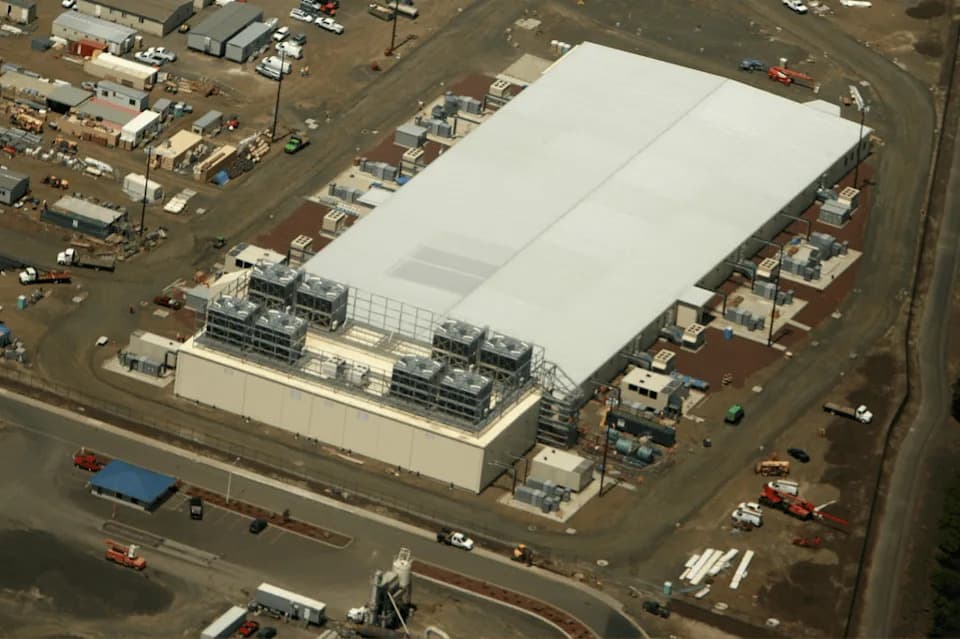
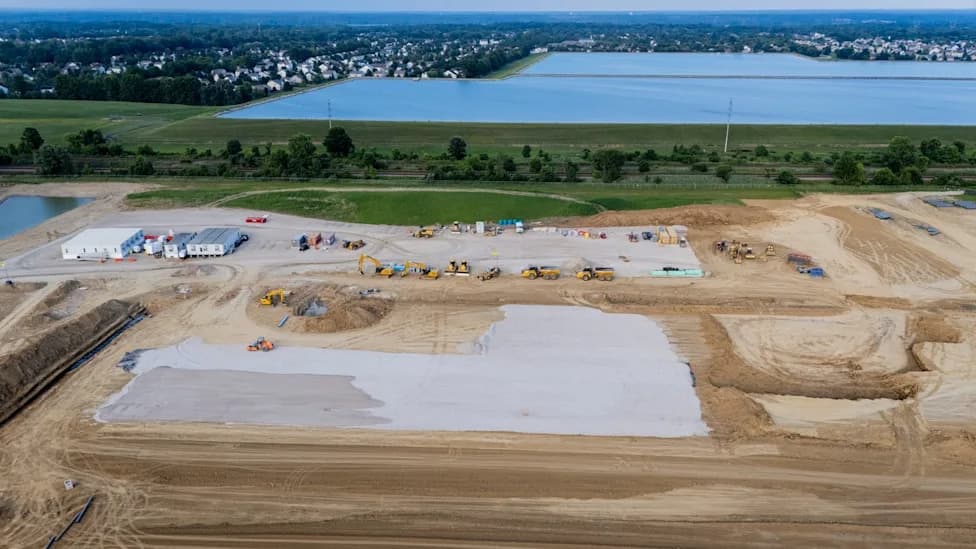
Data centers have broken two decades of flat U.S. electricity demand. They consumed about 176 TWh in 2023 (≈17 million homes) and are driving a rapid upward revision of capacity needs: NERC raised a 10-year estimate from 80 GW to 132 GW. Globally, data center demand reached ~415 TWh in 2024 and could reach ~945 TWh by 2030, with AI and concentrated regional developments creating major planning and reliability challenges for grids from Virginia to the Midwest.
Data Centers Now Drive 55% Of U.S. Electricity Demand Growth — Is the Grid Ready?
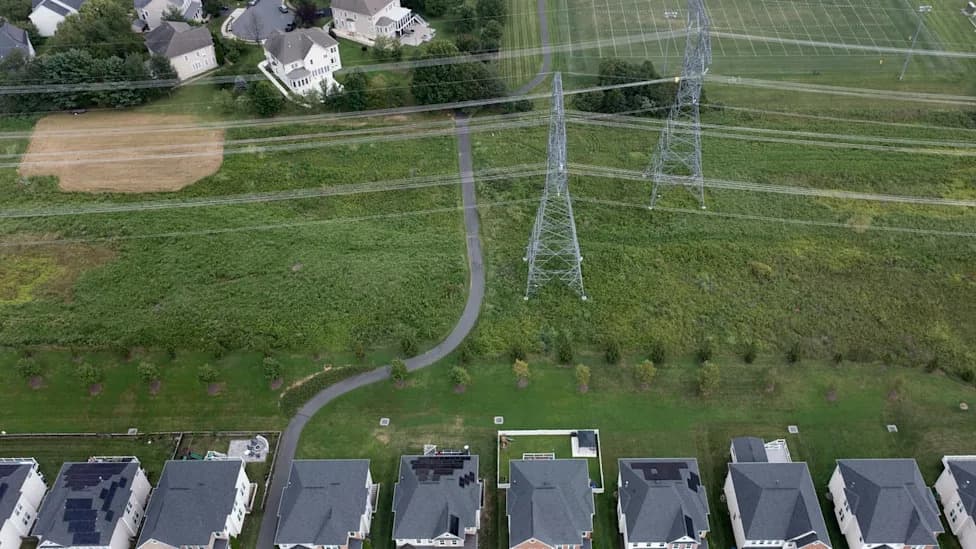
Data centers drive 55% of U.S. electricity demand growth
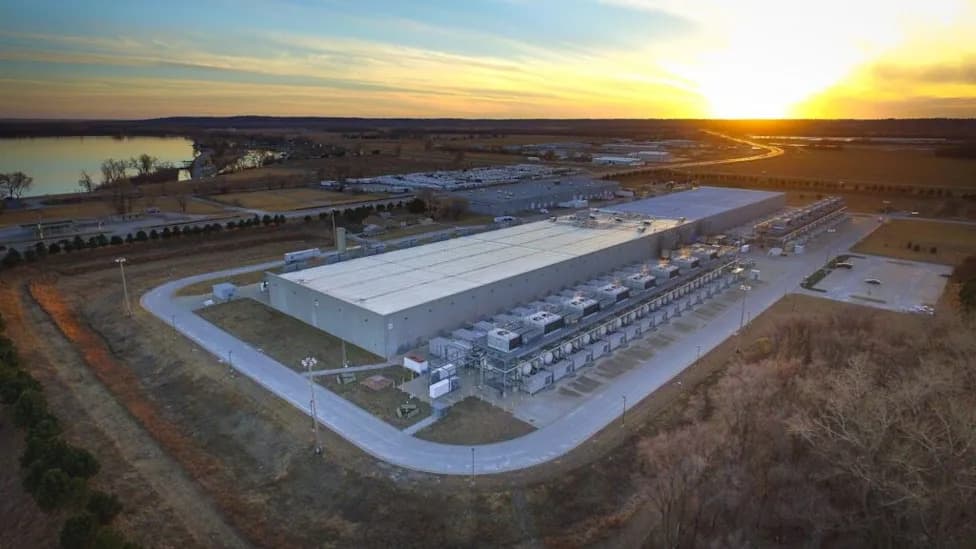
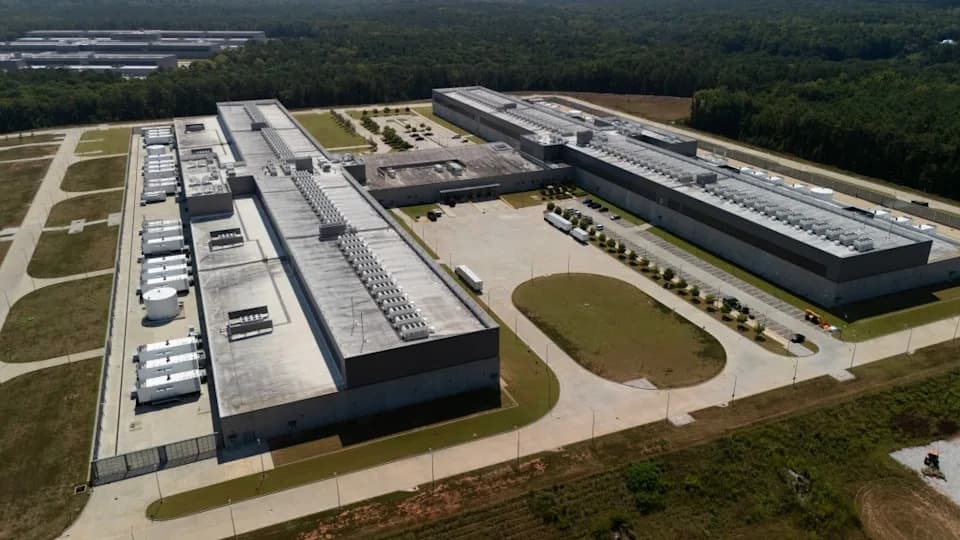
For nearly two decades total U.S. electricity consumption was essentially flat as efficiency gains offset population and economic growth. That trend has been upended by a rapid expansion of data centers, large facilities that can each draw as much power as a small city. Utilities and regional grid operators are now revising capacity needs sharply because demand from these facilities is growing faster than expected.
Scale and recent growth. Data centers consumed about 176 terawatt-hours (TWh) of electricity in 2023 — roughly the amount needed to power 17 million homes — according to Lawrence Berkeley National Laboratory. That is more than double the consumption from five years earlier. The Electric Power Research Institute (EPRI) projects data centers could account for 9%–17% of U.S. electricity by 2030, even under conservative scenarios.
Bigger national forecasts and tight timelines. Projections keep increasing: in 2023 the North American Electric Reliability Corporation (NERC) estimated an 80-gigawatt (GW) need over the next decade; a year later it revised that to 132 GW — a 65% jump. New generation takes years to site, permit and build, while many data centers can become operational in about 18 months. That timing mismatch forces utilities to plan now for demand that is uncertain and accelerating.
Global context and AI’s role. Globally, data center electricity use grew roughly 12% per year since 2019, reaching an estimated 415 TWh in 2024, according to the International Energy Agency (IEA). The IEA projects this could rise to about 945 TWh by 2030. Nearly 80% of that growth is expected to come from the United States and China. As artificial intelligence workloads migrate into hyperscale facilities run by companies such as Amazon, Google and Microsoft, AI could account for more than 25% of global data center power by 2027 (Goldman Sachs Research), and AI-capable server racks now consume roughly 11 times the power of racks from five years ago (IEA).
Other grid pressures: cryptocurrency mining. Cryptocurrency miners draw from the same grids but are often excluded from typical data center tallies. The U.S. Energy Information Administration (EIA) estimated that Bitcoin mining alone used between 25 and 91 TWh in the U.S. in 2023, a nontrivial additional load that compounds regional stress where miners and AI data centers coexist.
Regional stress points. Developers have clustered facilities where land, permitting and grid access are favorable. Virginia, for example, now sends more than a quarter of its electricity to data centers; a December 2024 forecast by the Virginia Joint Legislative Audit and Review Commission warned the state could have to double total supply within a decade if all planned projects proceed. The PJM Interconnection, serving 13 eastern and midwestern states, projects peak summer demand could reach about 210 GW by 2035 — well above its historical peak of ~167 GW.
Implications for consumers and planners. When demand grows faster than the grid can be expanded, costs rise for all customers and reliability risks increase. Several states with smaller, rural-oriented grids (Arizona, Indiana, Iowa, Nebraska, Nevada, Oregon and Wyoming) could see data centers consume 20% or more of their electricity by 2030 (EPRI), straining systems not designed for that concentration of load.
Bottom line: Data centers are the principal driver of renewed U.S. electricity growth. The combination of rapid facility build-out, increasingly power-hungry AI hardware, and competing loads like crypto mining is forcing utilities, regulators and policymakers to make costly capacity decisions now — with long lead times and considerable uncertainty.
What might help: Faster transmission upgrades, clearer interconnection rules, targeted demand-side management, coordinated regional planning and incentives for cleaner on-site or nearby generation could reduce the timing gap between data center demand and available supply. Policymakers must balance fast economic development with grid reliability and consumer costs.
Help us improve.