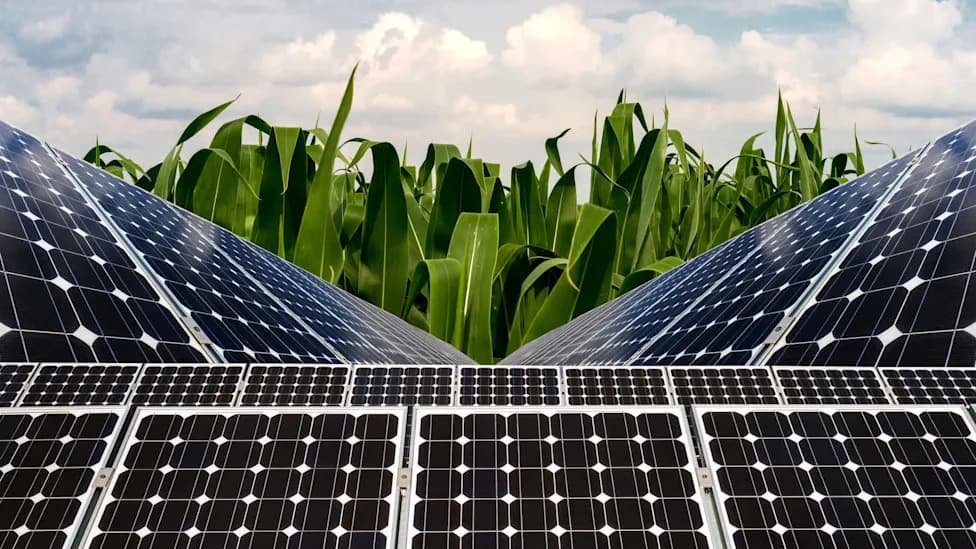
Agrivoltaics — mounting solar panels above crop fields — is being piloted in Egypt to generate electricity while shading plants to reduce evaporation and heat stress. Two projects, supported by partners including 3E and Habiba Community, are testing different panel layouts and collecting data on crop performance, soil moisture, and power output. International studies (Nevada, Colorado) show shaded systems can cut water use significantly and sometimes boost yields. Pilots also explore how to allocate power locally for irrigation or desalination to expand arable land.
Egypt's Farmers Are Growing Crops Under Solar Panels — How Agrivoltaics Saves Water and Generates Power
Ancient Egypt thrived in the blistering desert because the Nile delivered fresh water and annual deposits of nutrient-rich sediment, and ingenious irrigation systems turned that flow into abundant harvests. Today, Egyptian farmers face a very different challenge: rising temperatures and mounting water shortages that threaten crops and livelihoods.
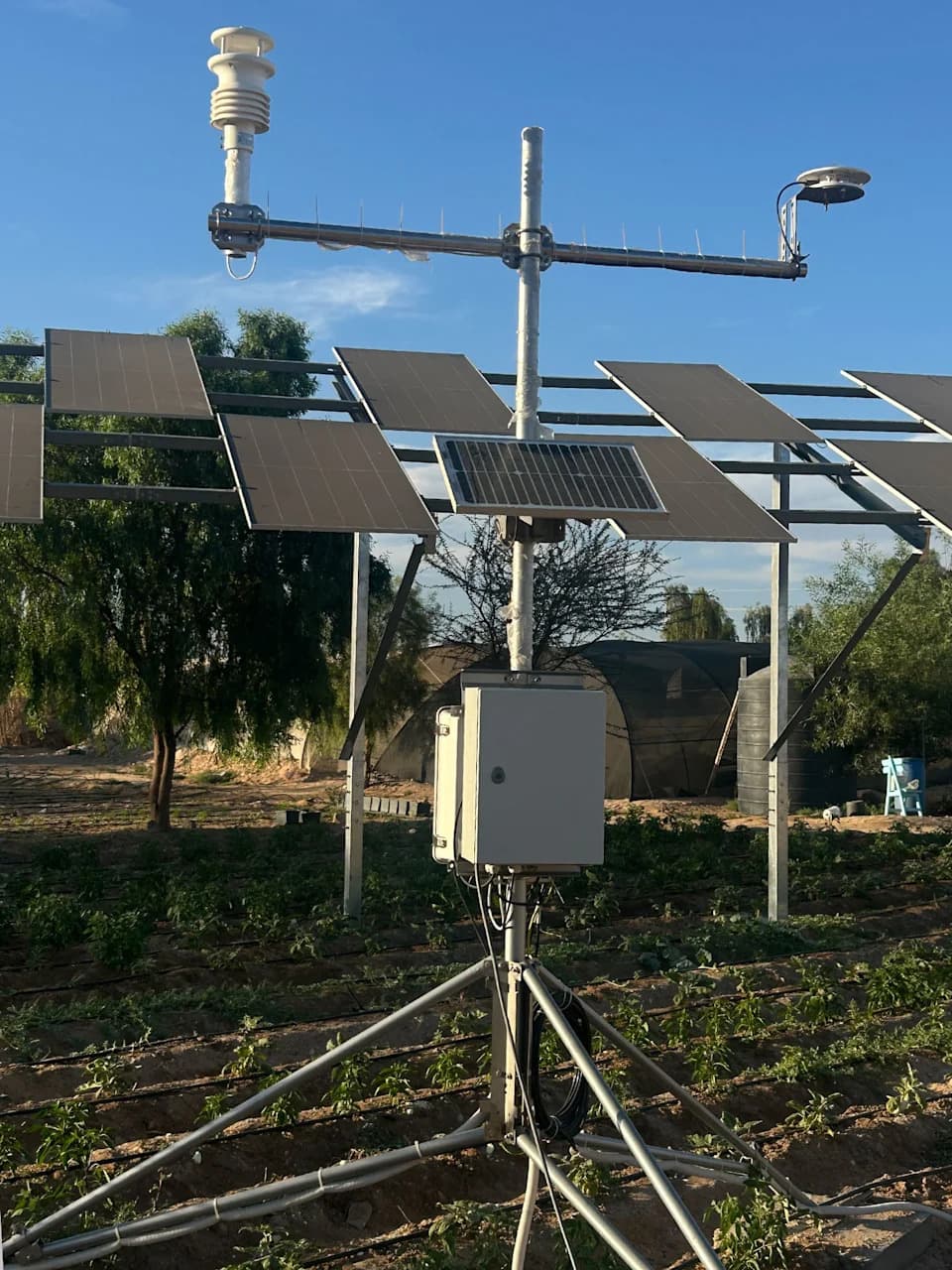
In response, two new pilot projects in Egypt are testing agrivoltaics — the practice of installing solar panels above fields so land can produce both food and electricity. Supported by a mix of funders and partners, including renewable-energy firm 3E and local groups such as Habiba Community in South Sinai, the initiatives aim to measure how different panel layouts affect crops, water use, and power generation.
Designs and early results:
Rather than covering fields with dense, continuous rows of panels, farmers and researchers are experimenting with partial-cover arrangements — for example, checkerboard patterns — that allow more sunlight to reach plants while still producing electricity. Those looser layouts generate less power per hectare than a conventional utility-scale solar farm, but they better balance plant light needs and energy output.
Research from other regions supports the approach. Studies in Nevada’s desert found shading can reduce hydrological stress on rare native plants, and rooftop experiments in Colorado reported that shaded crops used roughly one-third the water of unshaded ones (a ~66% reduction in water use) and sometimes produced larger fruit — such as unusually big cucumbers. Scientists are also testing transparent photovoltaic panels that let selected wavelengths of light through while producing power.
Local trials and community questions:
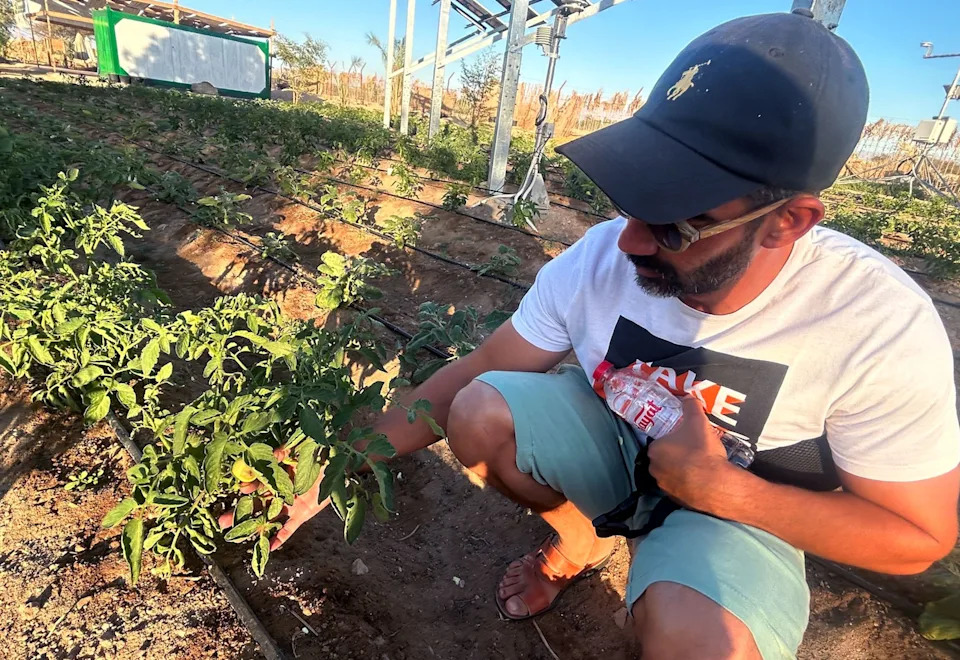
On South Sinai’s Habiba Community farm, founder Maged El-Said says it is still early to judge which crops will do best under panels installed in May, but watermelons are a promising first success. Gofran Chowdhury, head of innovation at 3E, stresses that there is no single recipe: "There is no perfect guideline on how to get there, so I imagine many projects like ours will be trying out different things." Teams are collecting detailed data on plant growth, soil moisture, and panel output to guide future deployments.
Beyond agronomy, pilot projects are testing operational models: should individual farms install agrivoltaics themselves, or should communities coordinate shared solar arrays? Who receives the electricity and how should it be used? At present, systems are powering irrigation equipment, but they could also run desalination units to treat brackish water. If desalination expands freshwater supply, more land could support both crops and agrivoltaics, creating a reinforcing cycle.
Why it matters: Agrivoltaics helps resolve the common tension between using land for food and for energy by enabling both on the same plot. For water-stressed regions like much of Egypt, the combination of reduced evaporation, lower heat stress, and locally generated electricity could make farming more resilient as temperatures climb.
"I have the solution that I can have both," said El-Said. "Well, why not?"
This story was originally published by Grist with the headline "Why Egyptian farmers are growing crops under solar panels" on Aug 19, 2026.
Help us improve.