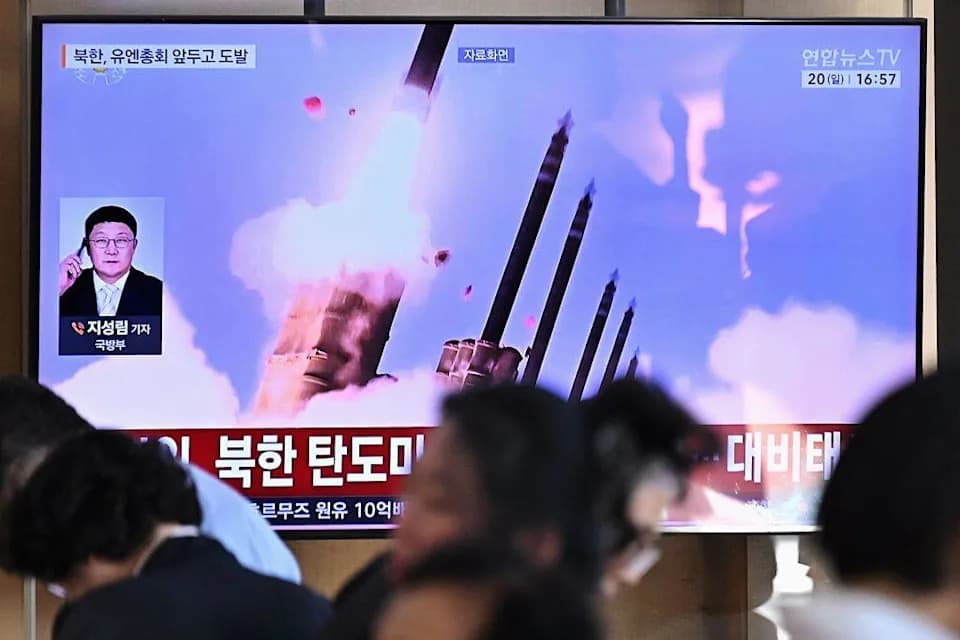
North Korea has condemned the 11-day Ulchi Freedom Shield exercises as the "most immediate and open threat" to regional security, KCNA reported. The drills, which began on Monday and involve thousands of troops, reportedly incorporate AI, drones and cyber capabilities. Pyongyang vowed to exercise its right to self-defence to "completely neutralize" perceived threats, while Washington and Seoul maintain the exercises are necessary for readiness. The dispute follows US reductions in participation ordered by President Donald Trump and a scaled-back field programme this year reported by Yonhap.
North Korea Calls US-South Korea 'Ulchi' Drills a Direct Threat, Vows to "Completely Neutralize" Military Risks
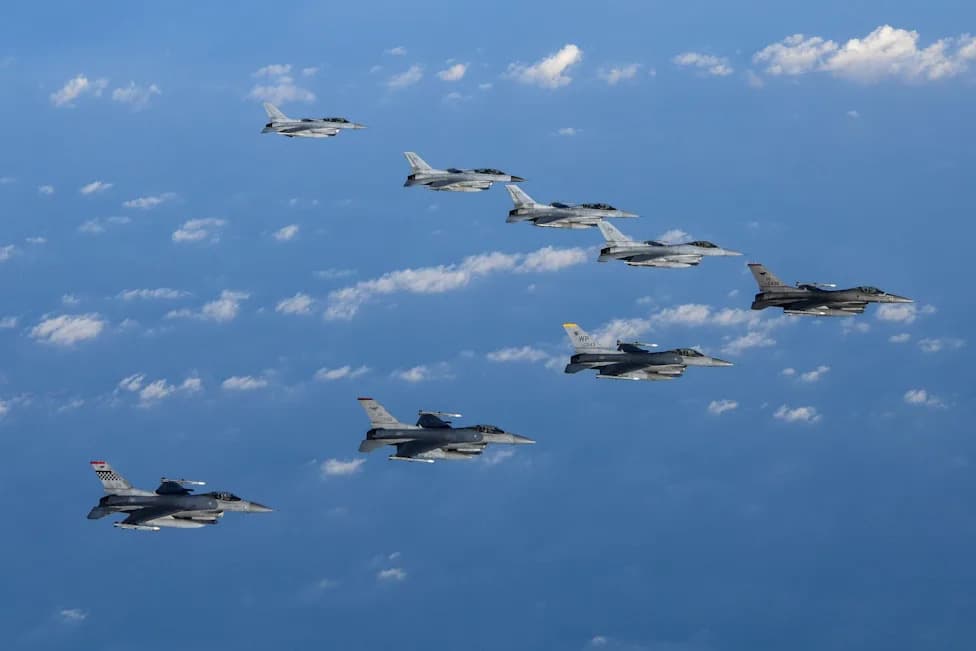
FILE PHOTO - South Korea-ROK Air Force F-16 and USA Air Force F-16 take part in a joint drill at live-fire ground in Taebaek. (is associated with: «North Korea calls US-South Korea drills threat to regional security») Defense Ministry/ZUMA Press Wire/dpa
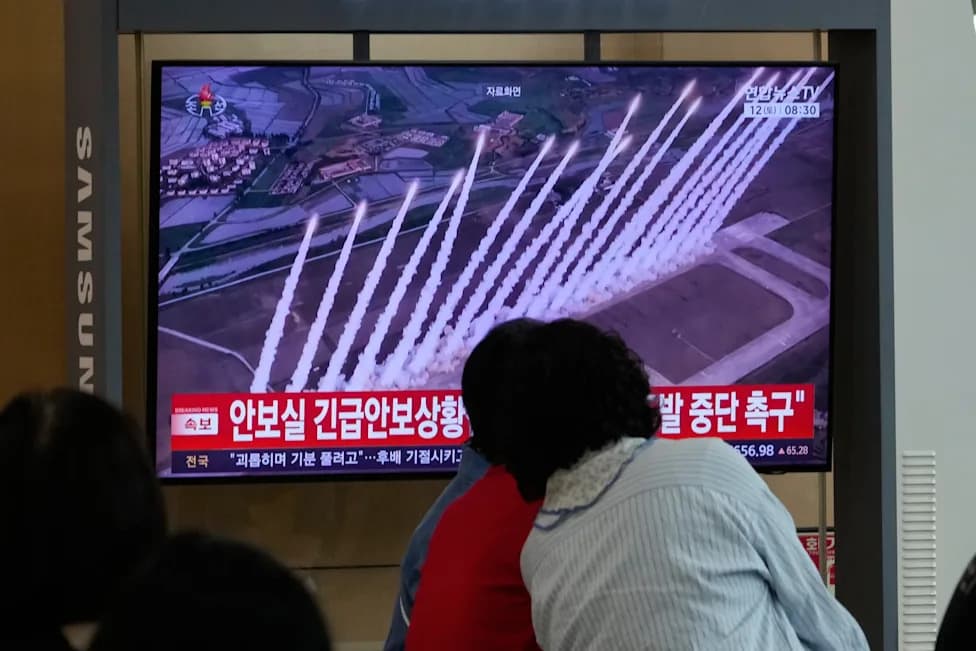
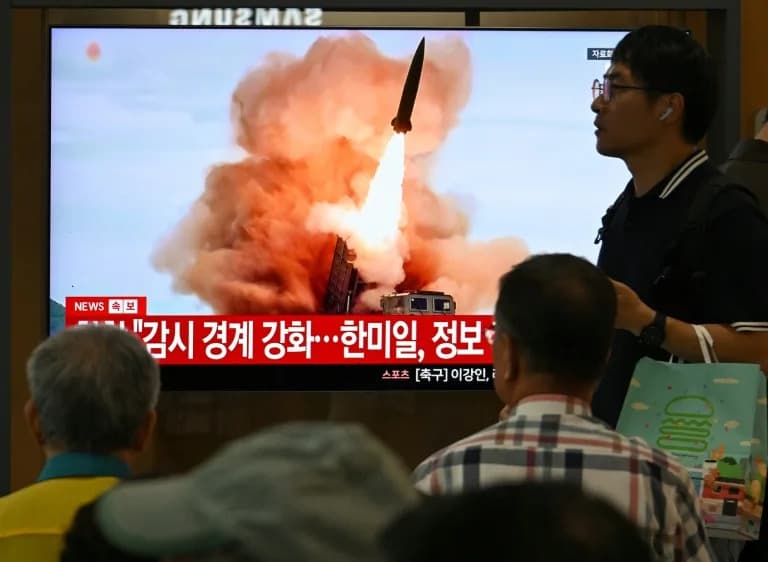
North Korea sharply condemned joint military exercises by the United States and South Korea, calling the 11-day Ulchi Freedom Shield drills a direct danger to the Korean Peninsula and regional stability, state news agency KCNA reported on Wednesday.
In a KCNA commentary, Pyongyang described the exercise as the "most immediate and open threat" and warned that the manoeuvres were driving tensions on the peninsula toward war.
Seoul and Washington hold annual exercises to strengthen combined defence capabilities. The current Ulchi Freedom Shield, which began on Monday, involves thousands of troops from both countries and a range of simulated field operations.
North Korean media said the drills are increasingly focused on preparing the allies to fight an actual war and incorporate advanced technologies such as artificial intelligence, drones and cyber tools. KCNA asserted that Pyongyang would exercise its right to self-defence to "completely neutralize" what it described as military threats until opponents abandon attempts to alter the regional balance of power.
KCNA: The drills are the "most immediate and open threat" to North Korea and regional security.
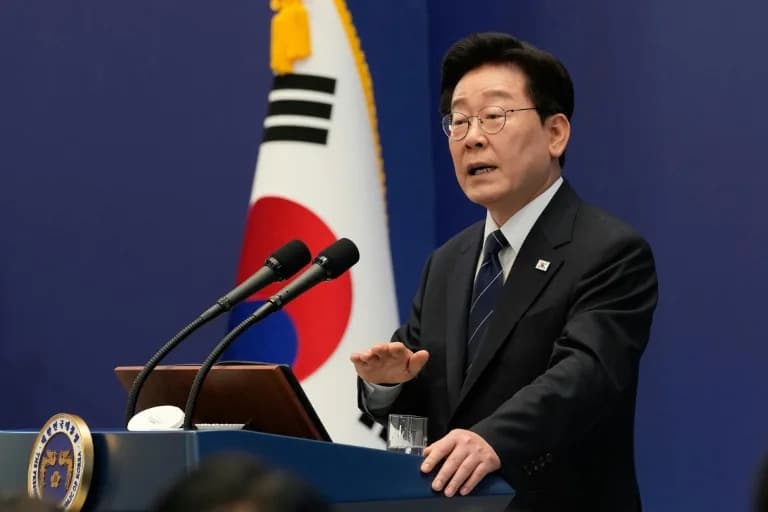
The criticism came after US President Donald Trump ordered a substantial reduction in US participation in the exercises, citing his "very good relationship" with North Korean leader Kim Jong Un. South Korea's Yonhap news agency reported that this year's programme includes 14 field drills, three fewer than last year, a reduction attributed in part to South Korean President Lee Jae Myung's push for diplomatic engagement with Pyongyang.
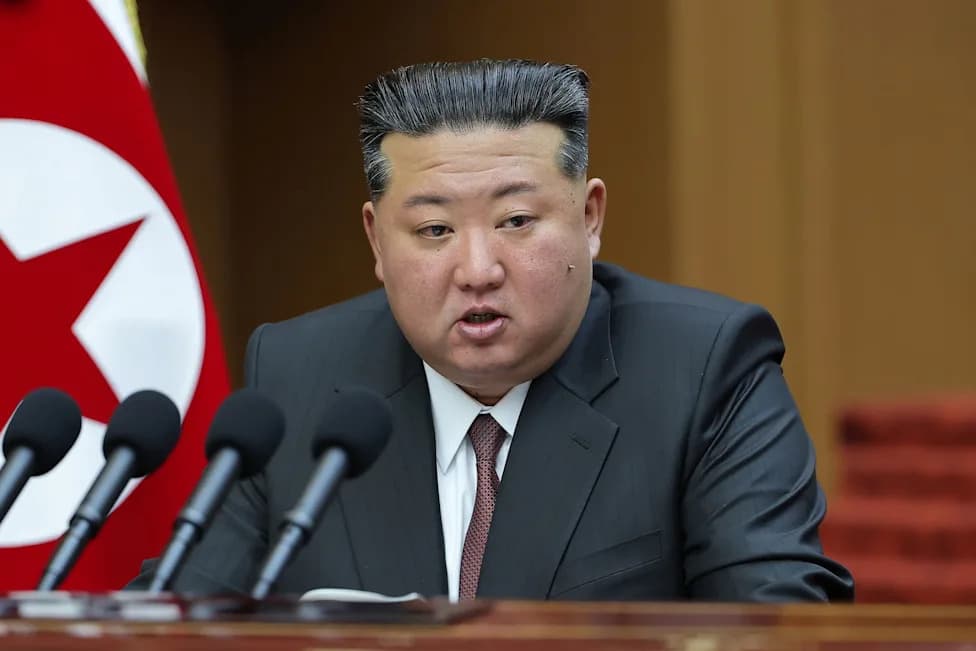
Under Kim Jong Un's leadership, North Korea has expanded its nuclear and missile programmes and, according to multiple reports, has provided material support related to Russia's war in Ukraine. The North has long denounced US-South Korea drills as hostile, while Washington and Seoul argue the exercises are essential to maintain military readiness and deterrence.
Analysts say the manoeuvres and the North's response underscore persistent strategic tensions on the peninsula and the fragile balance between military preparedness and diplomatic outreach.
Help us improve.