The UAE says it intercepted two ballistic missiles launched from Iran that were reportedly targeting maritime navigation and fell into the sea. The government has halted all trade, commercial and financial exchanges with Iran and raised the country's alert level to the highest. Officials cited regional escalations as the reason for the suspension, while Iran had no immediate comment. The developments follow a stalled mid-June framework agreement between the US and Iran whose 60-day window expired without resolving key disputes.
UAE Says It Intercepted Two Ballistic Missiles Launched From Iran; Trade With Tehran Suspended

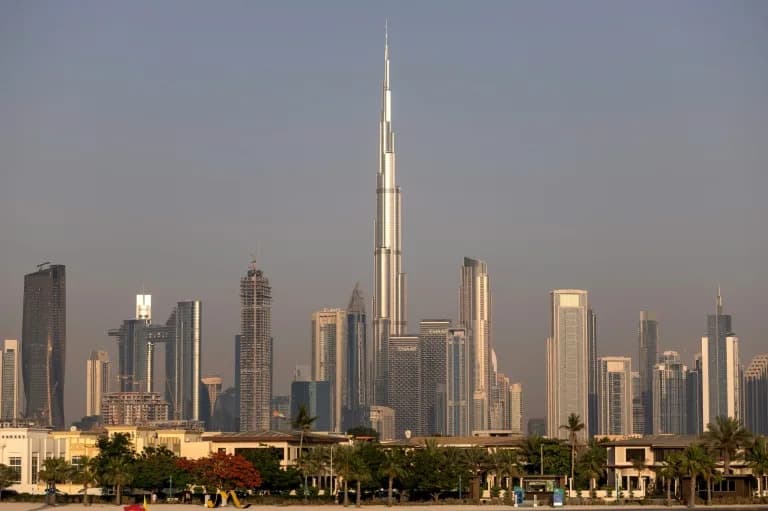
FILE PHOTO - An exterior view of the Dubai Mall. (is associated with: «UAE says it intercepted two ballistic missiles fired from Iran») David Davies/PA Wire/dpa
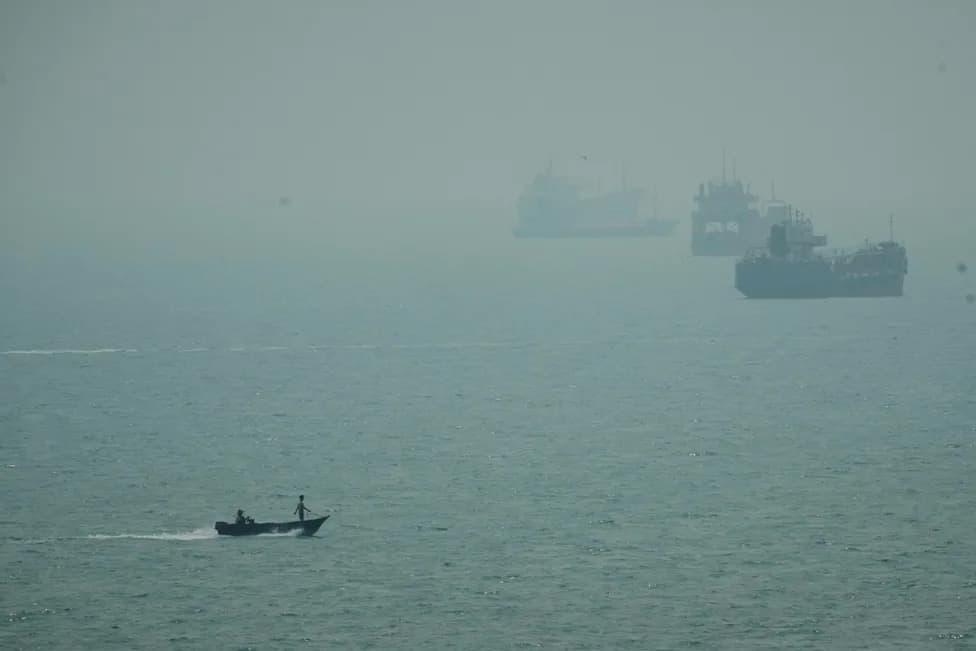
The United Arab Emirates announced on Tuesday that it intercepted two ballistic missiles launched from Iran that were reportedly targeting maritime navigation and fell into the sea, the Ministry of Defence said.
The Ministry of Defence posted on X that assessments showed the missiles originated in Iran and were aimed at maritime traffic before landing in the water. The ministry added that the UAE has been placed on its highest level of alert.
Trade Suspension and Official Statement
The UAE subsequently announced it has suspended all trade, commercial exchanges and financial transactions with Iran until further notice. Afra al-Hameli, director of the Strategic Communications Department at the Ministry of Foreign Affairs, said the move was prompted by 'regional escalations that undermine regional and international peace and security.'
'Regional escalations that undermine regional and international peace and security,' — Afra al-Hameli, Ministry of Foreign Affairs
Civilian Impact and Local Response
Authorities sent text messages and phone alerts urging residents to seek shelter, and a Dubai resident told dpa that the alerts triggered panic among some people. There was no immediate response from Iranian authorities.
Wider Context
The UAE previously intercepted missiles believed to have originated in Iran in early May, and the Emirates experienced particularly intense strikes at the start of the wider regional conflict in late February. Gulf states including Saudi Arabia, Kuwait, Bahrain, the UAE and Qatar host significant US military facilities, which regional actors have sometimes targeted in retaliation.
In mid-June, Iran and the United States reached a framework agreement intended to secure a ceasefire, reopen the Strait of Hormuz and set a path toward a longer-term settlement. The deal included a 60-day window to resolve key disputes, including concerns over Iran's nuclear programme; that deadline has since passed without substantive diplomatic progress. Both sides have been accused of breaching the ceasefire and other elements of the agreement in recent weeks, although the overall frequency of attacks has declined recently.
The UAE government said the trade suspension and heightened alert remain in effect until further notice. The situation remains fluid and authorities have not reported any casualties related to the intercepted missiles.
Help us improve.