Construction workers renovating a Belgian building found a chest hidden in a cellar wall containing over 40 gold bars and about 4,000 coins, valued at roughly €9 million (about $10.5 million). Police secured the hoard in a federal vault and fenced off the site amid reports of attempted break-ins. Experts are studying the coins to determine their age and origin while a prosecutor investigates; no evidence of criminal activity has been found so far. If unclaimed after five years and no crime is established, the treasure would be split between the property owner (CAW Oost-Vlaanderen) and the finders.
Construction Crew Unearths Nearly $10.5M Gold Hoard Hidden in Belgian Wall

A Construction Crew Found a $10 Million Gold HoardJairo Mesa - Getty Images
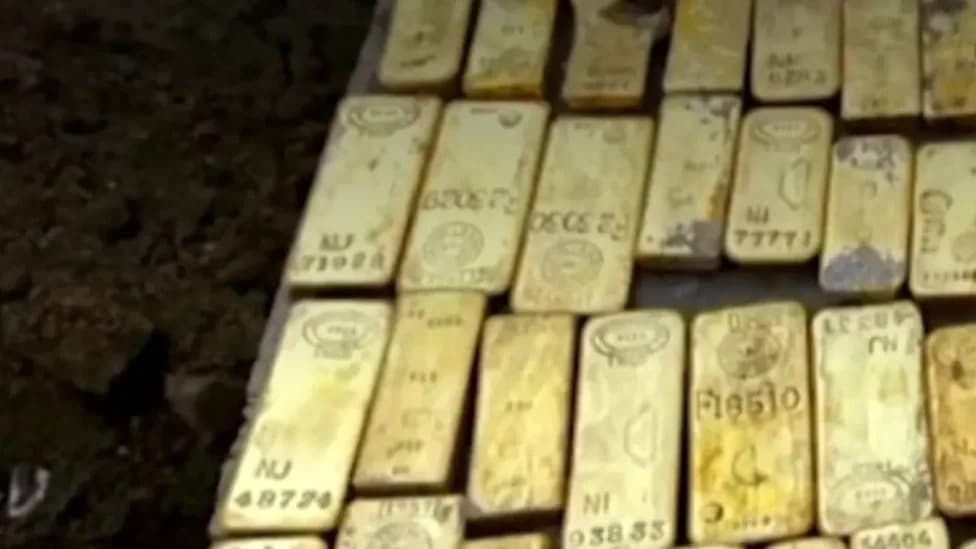
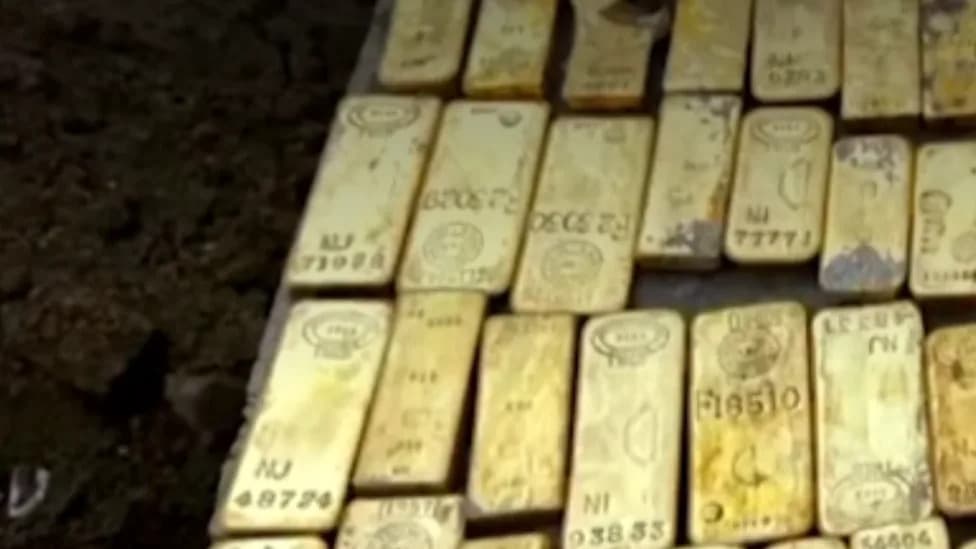
During renovation and partial demolition of an old building in Belgium, construction workers discovered a concealed chest embedded in a cellar wall containing more than 40 gold bars and roughly 4,000 gold coins — an estimated €9 million (about $10.5 million) hoard now under investigation.
How the Find Unfolded
The workers, who were laying a sewer pipe, first noticed what looked like a gold nugget. When they investigated further they uncovered a chest built into the cellar wall. Realizing the find was significant, the crew alerted local police, who inventoried the treasure and transferred the coins and bars to a high-security federal vault.
"We stumbled across it while carrying out groundwork to lay a pipe for the sewerage system," a worker identified only as Kobe told Belgian broadcaster VRT. "We certainly hadn't expected to find gold."
Who Owned It — And Why Was It Hidden?
The property once housed a brewer's residence around the turn of the 20th century and currently serves as the offices of CAW Oost-Vlaanderen, a social-welfare organization. Little about the building or the stash points immediately to who hid the hoard or whether any former occupant knowingly concealed it.
Specialists are studying the coins to identify mint marks, dates and origins. Those details should help determine when the hoard was accumulated and whether it has historical or archaeological significance. If the coins are modern, investigators say illegal activity could be a possible explanation; if they are older, the range of motives could include war, economic crisis or private hoarding through the decades.
Investigation And Legal Next Steps
The local prosecutor has opened an investigation. So far authorities report no evidence linking the hoard to criminal activity. The demolition site has been fenced off after reports of attempted break-ins, and police have asked the public to keep away while work continues.
Under Belgian law, original owners have up to five years to claim found property if no criminal link is established. If no claimant emerges and investigators confirm the absence of criminal activity, the treasure is to be split: half to the building's owner (in this case CAW Oost-Vlaanderen) and half to the finders, the construction crew.
CAW Oost-Vlaanderen assists roughly 45,000 people in the region and has said it hopes any funds could be used to support those in need. At the time of reporting there are about 1,823 days remaining under the five-year claim period.
What Comes Next
Experts will complete examinations of the coins and bars to establish mint dates, manufacturing sites and historical context. Those findings will inform both the prosecutor’s inquiry and any determination about rightful ownership or historical value. Until those results are public, many questions about the hoard’s origin and purpose remain open.
Help us improve.