Harvard researchers analyzed nearly 13 million U.S. death certificates (2020–2024) and found pilots and flight attendants had the highest shares of radiation-related cancer deaths among 500+ occupations. Flight attendants accounted for 6.9% and pilots for 6.7% of deaths classified as radiation-related. Airline crew typically receive about 3–6 mSv of cosmic radiation per year versus ~0.4 mSv for someone who takes ten cross-country round trips, suggesting cumulative exposure may raise risk. The study is observational, lacked individual exposure data, and cannot prove causation but raises questions about screening and further research.
High-Flying Risk: Harvard Study Finds Pilots and Flight Attendants Have Highest Radiation-Linked Cancer Deaths

People who fly for a living could face a higher risk of certain types of cancers, a new Harvard study suggests.
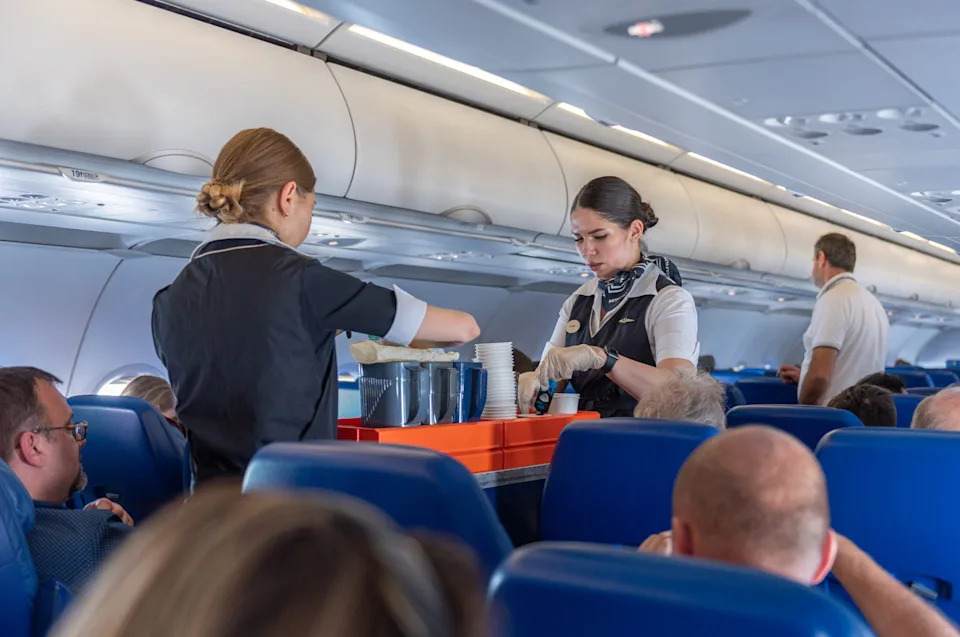
A Harvard-led analysis of nearly 13 million U.S. death certificates suggests that people who work in aviation — particularly pilots and flight attendants — have the highest share of deaths attributed to radiation-related cancers among more than 500 occupations studied.

Flight attendants and pilots in the U.S. face the highest risk of radiation-related cancer deaths out of a list of more than 500 occupations, the researchers concluded.
What the Study Analyzed
Researchers examined U.S. death records in the National Vital Statistics System from 2020–2024. Of those records, roughly 14,000 listed pilots and about 7,000 listed flight attendants as the decedent's occupation. The team focused on cancers known to be associated with ionizing radiation exposure, including breast cancer, multiple myeloma, leukemia (excluding chronic lymphocytic leukemia), lymphoma, central nervous system cancers, thyroid cancer, prostate cancer, melanoma and non-melanoma skin cancers. Lung cancer was intentionally excluded to avoid confounding from smoking.

The findings could raise questions about whether U.S. pilots and flight attendants should receive additional or earlier cancer screenings.
Key Findings
Across occupations, 6.9% of flight attendant deaths and 6.7% of pilot deaths were classified as linked to radiation-related cancers — the highest proportions among the more than 500 occupational groups included. Pilots showed statistically significant increases in leukemia mortality and elevated deaths from breast, central nervous system, prostate cancers and melanoma.
The researchers did not have access to data on individual workers' radiation exposure, which means they could not determine whether those with greater exposure faced greater risks.
"As you get high up in the atmosphere, you're exposed to ionizing radiation from the sun. It's called cosmic radiation," said study author Anupam B. Jena, M.D., Ph.D. He noted the increased risk is meaningful at the group level but does not predict outcomes for any single individual.
Exposure and Practical Meaning
The Centers for Disease Control and Prevention estimates airline crew receive roughly 3–6 millisieverts (mSv) of cosmic radiation per year, compared with about 0.4 mSv for someone who takes ten round-trip cross-country flights a year. That equates to approximately eight to 15 times greater annual exposure for airline personnel than for occasional long-distance flyers. The authors emphasize the risk is thought to be cumulative: more time spent at flight altitudes likely increases lifetime exposure and potential risk.
Limitations and Implications
The study, published Aug. 17 in JAMA Internal Medicine, is observational and therefore cannot establish causation — only an association between occupation and higher proportions of radiation-related cancer deaths. The researchers did not have individual-level radiation exposure data, so they could not link measured exposure to outcomes for specific workers. Other occupational or lifestyle factors may also contribute to the observed differences.
Because of these limitations, the authors suggest the findings warrant consideration of policy responses such as earlier or more frequent cancer screening for pilots and flight attendants, and further research that includes individual exposure measures.
Bottom line: The analysis highlights a notable occupational pattern — higher proportions of radiation-related cancer deaths among U.S. pilots and flight attendants — plausibly linked to cumulative cosmic radiation exposure. The evidence calls for further study and discussion about screening and workplace protections, but it does not prove direct causation for individuals.
Help us improve.