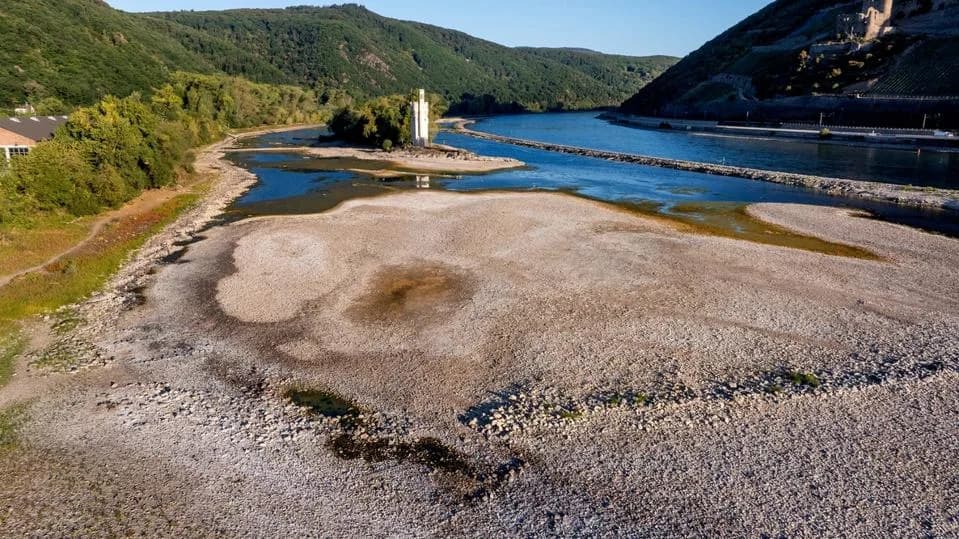
Scientists say human-caused climate change is the primary driver of record-high sea temperatures across European waters this summer. The WWA analysis estimates roughly 2°C of added warming in the Mediterranean and 1.4°C in Western European seas. Large swathes of the Bay of Biscay and western Mediterranean experienced marine heatwaves, with severe implications for marine life, coastal communities and future storm risk.
Scientists: Human-Caused Warming Drove This Summer’s Record Sea Heat Across European Waters
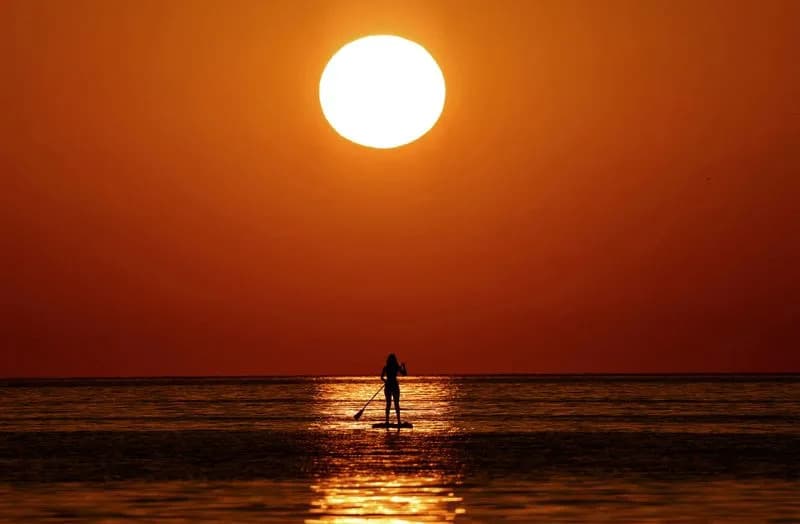
FILE PHOTO: A woman looks at the sunrise as she paddleboards on the Mediterranean Sea, in Barcelona, Spain July 2, 2025. REUTERS/Nacho Doce/File Photo
BRUSSELS, Aug 19 — Scientists say this summer’s unprecedented sea temperatures around Europe were driven mainly by human-caused climate change, warning of serious consequences for marine ecosystems and coastal communities.
An analysis by the World Weather Attribution (WWA) group found that human-driven warming has added roughly ~2°C to the Mediterranean and about ~1.4°C to Western European seas. In July the Mediterranean’s average sea temperature reached 27°C — the highest July average on record — and an offshore buoy near Mallorca recorded 33°C in early August.
Key Findings From the WWA Analysis
The WWA study concluded that peak sea temperatures measured this year in the eastern and western Mediterranean, along the Bay of Biscay and the Iberian coast would have been "virtually impossible" without human-caused warming. In the Celtic Sea, off Britain and Ireland, the most extreme temperatures observed would, in a world without anthropogenic warming, have been expected only about once a century.
According to the study, around 90% of the Bay of Biscay and 80% of the western Mediterranean experienced marine heatwave conditions this year; without global warming those shares would have been nearer 40%.
Impacts and Risks
Warmer seas raise coastal humidity and overnight temperatures and can help fuel more intense storms later in the season. Spikes in sea temperature can trigger mass die-offs of species such as corals, disrupt food supplies for seabirds and marine mammals, and create cascading effects through food chains.
“This has the potential to completely reshape ecosystems that coastal communities rely on for food and income, and drive damaging extreme weather on land too,” said Claire Bergin, climate scientist at Maynooth University and co-author of the WWA study.
Marine ecologist John Bruno of the University of North Carolina warned that although some species are shifting north to cooler waters, many cannot adapt quickly enough. “We are rapidly approaching the absolute biological limits of adaptation for many species,” he said.
The World Meteorological Organization notes that greenhouse gas emissions — mainly from burning fossil fuels — have raised the planet’s average temperature to about 1.4°C above pre-industrial levels, increasing the baseline on which heat-producing atmospheric patterns operate.
Researchers say these marine heat extremes underscore the urgent need to reduce emissions and strengthen monitoring and adaptation strategies for fisheries, coastal infrastructure and biodiversity conservation.
(Reporting by Kate Abnett; editing by Mark Potter)
Help us improve.