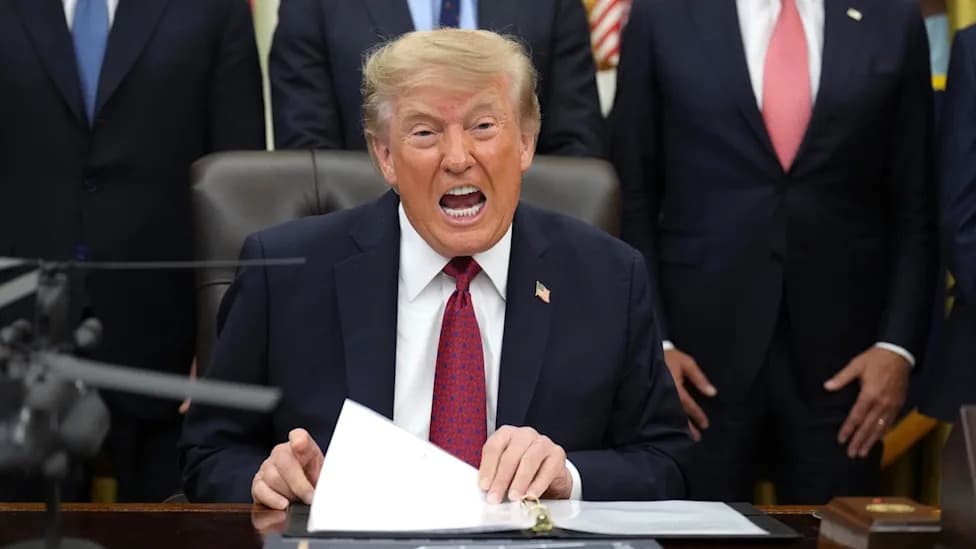
The U.S. has imposed new sanctions on ICC President Tomoko Akane and Senior Trial Lawyer Abdoulaye Seye, part of the Trump administration’s ongoing campaign to limit the court’s actions. Measures reportedly include asset freezes, travel bans and restrictions on services, and follow earlier sanctions on at least 11 ICC officials. The steps are tied to ICC inquiries into U.S. personnel in Afghanistan and warrants for Israeli leaders; rights groups and several judges have sued, calling the measures unlawful and harmful to international justice.
U.S. Imposes New Sanctions On ICC President And Senior Trial Lawyer As Campaign To Weaken Court Intensifies
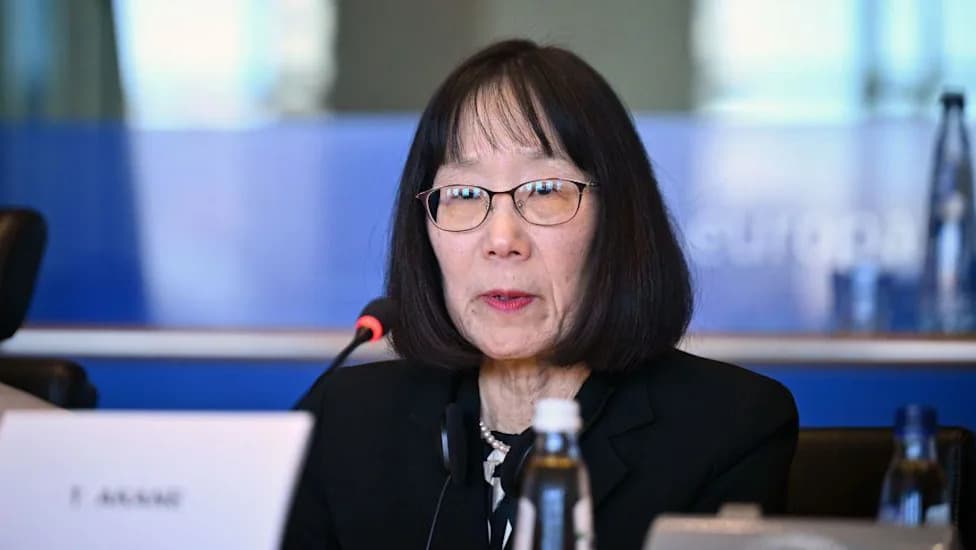
Judge Tomoko Akane began her three-year term as ICC president in 2024. [Getty Images]
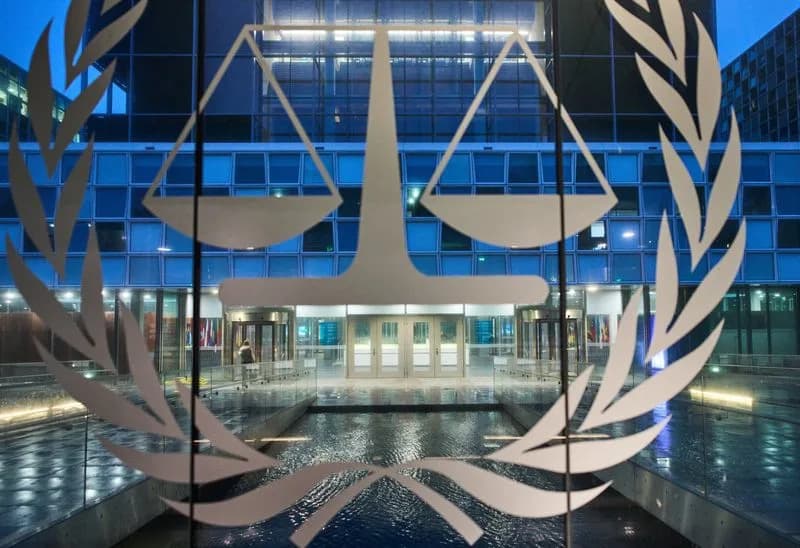
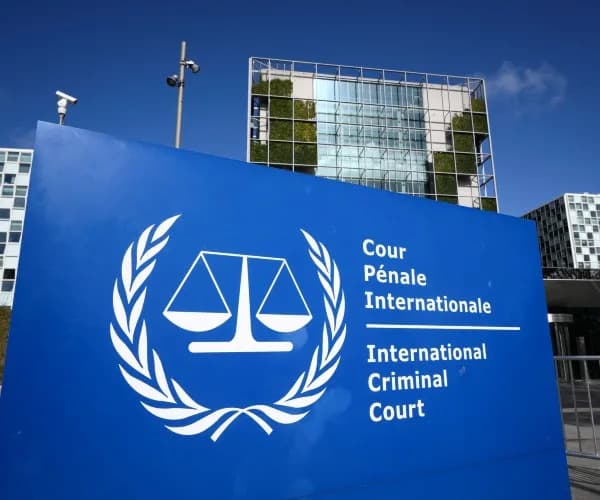
The U.S. announced fresh sanctions targeting two senior officials of the International Criminal Court (ICC) as part of the Trump administration's broader effort to curb the court's activities. Senator Marco Rubio publicly named ICC President Tomoko Akane of Japan and ICC Senior Trial Lawyer Abdoulaye Seye of Senegal as the latest individuals facing restrictions.
Details Of The Measures
According to statements from U.S. officials, the sanctions include asset freezes, travel bans and limits on the provision of certain services by U.S. companies. The announcement follows a directive issued by President Donald Trump last year to target ICC personnel involved in actions the administration views as exceeding the court's authority.
U.S. Rationale And Reactions
Senator Rubio accused the two ICC officials of "directly engaging in efforts by the ICC to investigate, arrest, detain, or prosecute officials whose government has not consented to ICC jurisdiction." He described the ICC as "a corrupt and fatally politicized supranational court" that threatens state sovereignty.
"[T]he International Criminal Court (ICC) is a corrupt and fatally politicized supranational court that has maliciously abused its authority and exceeded its mandate. We will not tolerate its assault on state sovereignty," Rubio said.
The ICC has been contacted for comment. At the time of the announcement neither President Trump nor the White House had issued a public statement responding to Rubio's remarks.
Context: Previous Sanctions And Legal Challenges
This action adds to prior U.S. measures: the administration previously imposed sanctions on at least 11 ICC officials, including nine judges and the court’s chief prosecutor. Washington says the sanctions respond to ICC inquiries into alleged misconduct by U.S. personnel in Afghanistan and to arrest warrants issued by the ICC for senior Israeli officials — including Prime Minister Benjamin Netanyahu — over alleged crimes in Gaza. Neither the United States nor Israel is a party to the Rome Statute that established the ICC.
Rights groups and ICC judges have mounted legal challenges to the sanctions. Four U.S. human rights organizations — Human Rights Watch, the Open Society Institute, the American Friends Service Committee and the Center for Constitutional Rights — filed suit in New York, arguing the measures prevent them from cooperating with the court to pursue accountability for genocide, war crimes and crimes against humanity. In June, three ICC judges also sued the U.S. government, contending the sanctions were unlawful and intended to coerce members of the court.
A White House official previously said the administration acted under the authority of the International Emergency Economic Powers Act (IEEPA). Sanctions of this kind can severely restrict an individual's ability to conduct routine financial transactions because banks with U.S. ties or dollar-clearing operations generally must comply with U.S. restrictions.
Broader Implications
Supporters of the sanctions argue they are necessary to protect national sovereignty. Critics — including international justice advocates — warn the measures undermine international law and could impede efforts to hold state actors accountable for mass atrocities. The dispute reflects a wider standoff between U.S. policymakers who view the ICC as exceeding its authority and advocates who say targeting the court damages global justice mechanisms.
(With additional reporting from Bernd Debusmann Jr.)
Help us improve.