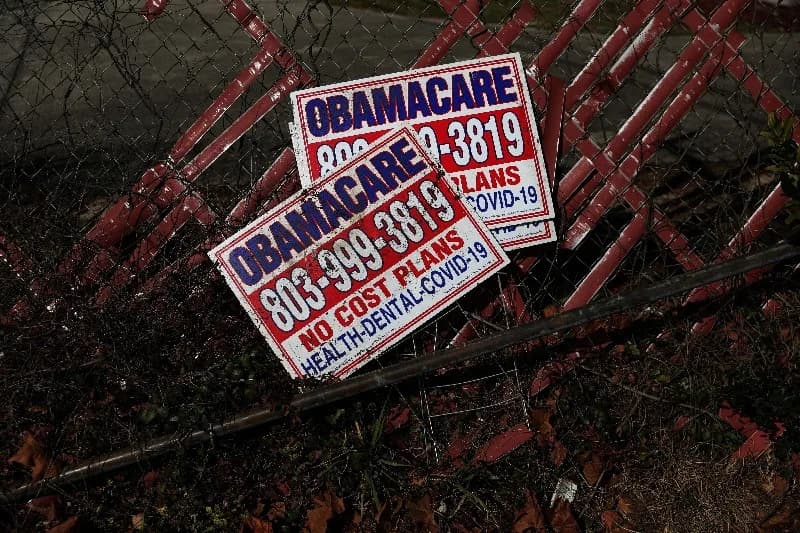
Florida lost about 450,000 ACA marketplace enrollees in early 2026 after Congress allowed pandemic-era premium subsidies to expire, while national average premiums rose roughly 37% (≈$1,000/year). National effectuated enrollment fell from 21.8M to 19.1M (a 12.4% drop). Many consumers shifted to lower-cost bronze plans rather than abandoning coverage, but the full impact on uninsured rates will become clearer with 2027 state data.
Florida Loses 450,000 ACA Enrollees in 2026 as National Premiums Jump 37% — What It Means for Coverage
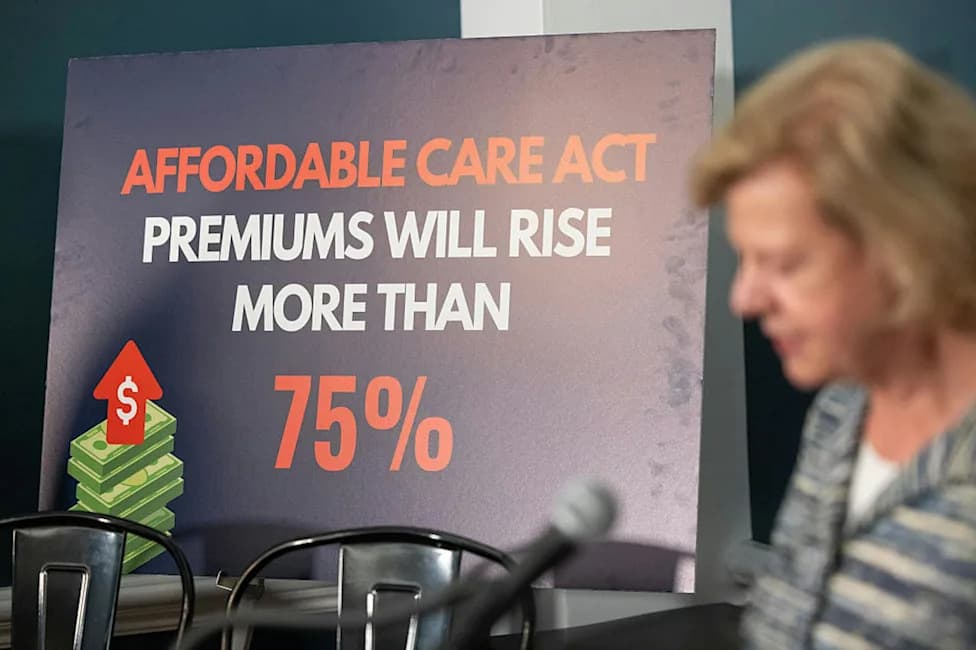
In 2025, Democrats in the U.S. Senate argued to extend COVID-era subsidies on Affordable Care Act insurance plans into 2026.Anadolu/Anadolu via Getty Images
Summary: Florida lost roughly 450,000 people from Affordable Care Act (ACA) marketplace plans in early 2026 after Congress allowed pandemic-era premium subsidies to expire, while national average premiums rose by about 37% (≈$1,000/year). This story explores who was affected, how enrollment shifted, and what the change could mean for uninsured rates and local health systems.
Key Findings
- Florida’s effectuated ACA enrollment fell from about 4.3 million to 3.85 million (a 10% decline), the largest numeric drop of any state.
- Nationally, effectuated enrollment dropped from 21.8 million in 2025 to 19.1 million in 2026 (a 12.4% decline) after subsidies were rolled back.
- Average ACA premiums rose ~37% nationally—roughly $1,000 more per year—after the enhanced pandemic-era subsidies expired.
Background
Congress allowed enhanced ACA premium subsidies, enacted during the COVID-19 pandemic, to expire in December 2025. Those temporary changes had expanded eligibility and lowered out-of-pocket premiums for many enrollees, increasing effectuated marketplace enrollments from about 13.5 million in 2022 to 21.8 million in 2025.
When the enhanced subsidies ended, KFF’s July 2026 data covering effectuated enrollments in January–February 2026 show a substantial fall in paid marketplace coverage. The U.S. Department of Health and Human Services reported in June 2026 that nearly 3 million people who received subsidies in 2025 lost coverage in 2026; HHS also argued a portion of those earlier subsidized enrollees were ineligible or eligible for other programs. Administration officials have framed some of the earlier enrollment growth as the result of improper enrollments or fraud, a characterization that many experts dispute and say is influenced by partisan politics.
State-by-State Patterns
The national decline was uneven. Ohio and Oklahoma saw the largest proportional enrollment drops at 32% each. Among states with high marketplace reliance, South Carolina lost 29%, Mississippi 26%, and Alabama 23%. By contrast, New Mexico gained 14% in effectuated enrollment and Illinois was essentially unchanged. States that funded their own premium assistance generally experienced smaller declines.
Florida’s Situation
Florida stands out because more than 20% of Floridians under age 65 are enrolled through the ACA—about three times the national share (~7%)—and only about 40% of the workforce has employer-sponsored coverage, the lowest share in the country. Florida’s 10% proportional decline translated into the largest numeric loss: roughly 450,000 people left marketplace plans between 2025 and 2026.

As prices on groceries and fuel go up, some people may be forced to choose between health insurance and food.Thanasis/Moment via Getty Images
How People Adjusted Coverage
Rather than all leaving coverage, many consumers shifted to lower-cost plans. Market share for mid-level silver plans dropped from 56.2% to 42.6%, while enrollment in lower-cost bronze plans rose from 29.9% to 39.6%. Enrollment in higher-coverage gold plans increased modestly from 13.2% to 17.2%—suggesting some people traded plan generosity for affordability or rebalanced coverage to match need and cost.
Implications
It remains unclear how many of those who left marketplace plans became uninsured, moved to employer coverage, joined a spouse’s plan, or switched to catastrophic policies. Early reporting suggests about 2.7 million people left the exchanges in 2025–26 and roughly one in ten of those reported becoming uninsured—less severe than some earlier worst-case projections. State-level uninsured rates for 2027 will provide a clearer picture.
However, rising uninsured rates would have broader consequences: uninsured patients often shift uncompensated care costs to hospitals and medical practices, increasing financial strain and potentially reducing services or prompting closures. That ripple effect can reduce access to care for entire communities, not only former marketplace enrollees.
Conclusion
The rollback of pandemic-era ACA subsidies produced a steep rise in premiums and a notable drop in marketplace enrollment. Florida’s large numeric loss reflects high reliance on marketplace coverage and a low employer-coverage rate. Policymakers and analysts will be watching 2027 data to determine how these enrollment shifts affect uninsured rates and health-care access across states.
Author: Robert Applebaum, Miami University
Help us improve.