The Conservatives have proposed changing planning law to ban retrospective planning applications for residential caravan sites and to require councils to begin enforcement within 28 days, arguing the current system creates a "two-tier" approach. BBC analysis shows unauthorised caravans in England rose 73% in January 2026 versus January 2020, and summer counts increased 44% between 2019 and 2025. Charities and traveller representatives say the rise is driven by a chronic shortage of authorised stopping places, while Labour and other parties warn of legal and practical consequences from the Tory proposals.
Tories Pledge Legal Changes To Curb Unauthorised Traveller Sites As Caravan Numbers Rise 73%
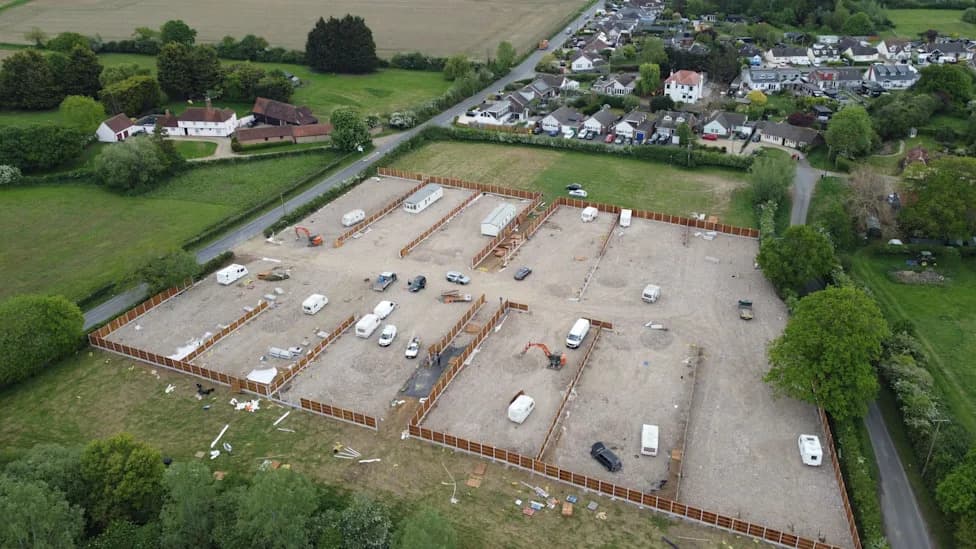
A site near Braintree, Essex, was allegedly developed without planning permission in May [John Fairhall/BBC]
The Conservative Party has set out plans to tighten planning law aimed at reducing unauthorised traveller caravan sites, arguing the current system creates a "two-tier" approach that undermines confidence in planning rules. The proposals include banning retrospective planning applications for residential caravan sites and imposing a statutory duty on councils to begin enforcement action within 28 days of identifying unauthorised sites.
What The Conservatives Propose
Under the party's pledge, first announced in outline in October, they would amend the Town and Country Planning Act so that "no retrospective planning application may be made for a material change of use of land to a residential caravan site." They also plan to change planning appeal rules so occupiers cannot use appeals to achieve what was refused at application stage, and to require councils to start enforcement within 28 days of identifying an unauthorised residential caravan site.
Data And Trends
BBC analysis of figures from the Ministry of Housing, Communities and Local Government found councils across England reported 73% more unauthorised traveller caravans in January 2026 than in January 2020, rising from 2,860 to 4,950. The annual summer caravan count recorded a 44% increase between July 2019 and July 2025, from 3,113 to 4,471.

This site in Wickford, Essex, only has permission for seven mobile homes [John Fairhall/BBC]
Local Examples
The Conservatives highlighted recent local cases where sites were expanded without permission. One Wickford, Essex, site that only has planning permission for seven mobile homes was expanded between 2018 and 2022. In 2024, a planning inspector ordered most caravans and hardstanding on that site to be removed within 16 months; that removal deadline passed in July 2025 with substantial infrastructure still in place. Basildon Borough Council has declined to comment while legal enforcement proceedings are ongoing.
Voices From Travellers And Charities
Cliff Codona, chair of the National Travellers' Action Group, said travellers can feel driven to "breaking the law" because the planning system is effectively stacked against them. He compared the system to "a big dagger in their back."
Friends, Families & Travellers, a charity supporting Gypsy, Romany and traveller communities, argued the core problem is a lack of authorised stopping places. "Instead of only telling people where they can't go, it would be more helpful to tell people where they can go," the charity said, adding that decades of removing safe stopping places and failing to build new ones have left families with nowhere else to go.
Political Responses
Labour dismissed the Conservatives' plan to leave the European Convention on Human Rights (ECHR) as counterproductive, warning that it would damage partnerships used to remove people who arrive illegally and make deportations harder. Labour also said the previous Conservative government had left the planning system "in a mess" and defended recent steps it says provide clearer, more consistent planning rules.
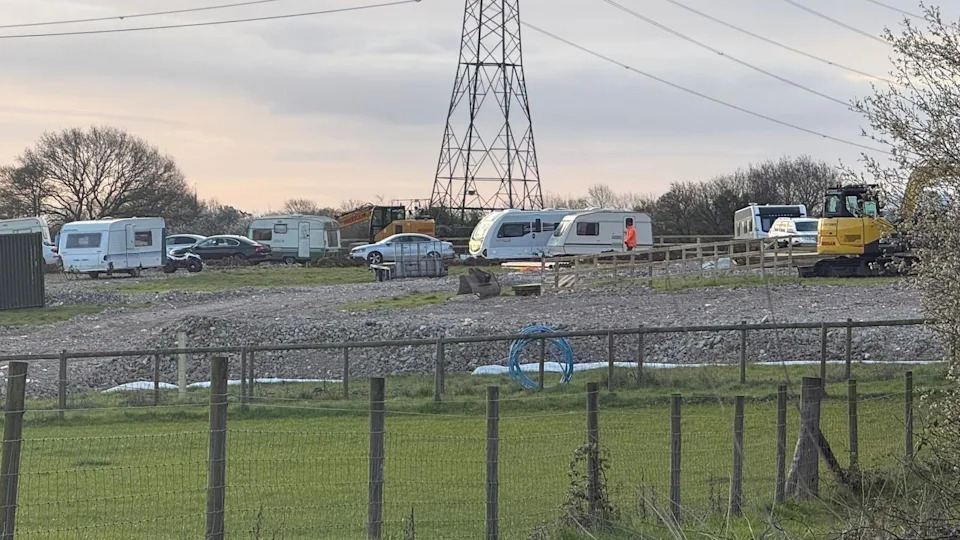
A council has won a High Court fight over an unauthorised traveller camp in Flamstead [Supplied]
Reform UK's home affairs spokesperson Zia Yusuf called the announcement "laughable," arguing the Conservatives had 14 years in government to address traveller sites and failed. Yusuf said Reform UK would give police powers to remove unauthorised encampments immediately, seize vehicles and make arrests.
Government Position
The Ministry of Housing, Communities and Local Government highlighted an updated National Planning Policy Framework that it says takes a "strengthened approach to intentional unauthorised development." A ministry spokesperson added that councils "must ensure they meet the needs of communities in their area" and have "strong powers to tackle these, including working closely with the police and taking court action."
Context And Considerations
Supporters of tougher planning rules say the measures will restore public confidence that planning law is applied equally and prevent occupiers from using retrospective applications and appeals to formalise unauthorised sites. Critics argue that enforcement-only responses risk repeating a long history of "punishment over provision," and that meaningful solutions should include provision of lawful stopping places and clearer routes to permission.
What Happens Next: The Conservatives say the proposed changes would take effect only if they win the next general election. The BBC contacted the Liberal Democrats and the Green Party for comment; Basildon Borough Council declined to comment due to ongoing proceedings.
Help us improve.