Europe risks a food crisis as drought and the Ukraine–Russia war combine to hammer grain supplies and push wheat prices up ~30%. Low Danube levels and disrupted shipping are raising transport costs, while conflict in the Persian Gulf has stranded about 1m tonnes of fertiliser—~35% of flows pass through that route. The UK’s reliance on imported fertiliser, pending carbon border levies and past plant closures threaten farmers; ministers must pair the £65m drought package with regulatory relief and practical support.
Europe’s Looming Food Risk: Drought, War and Fertiliser Shortages Threaten Harvests
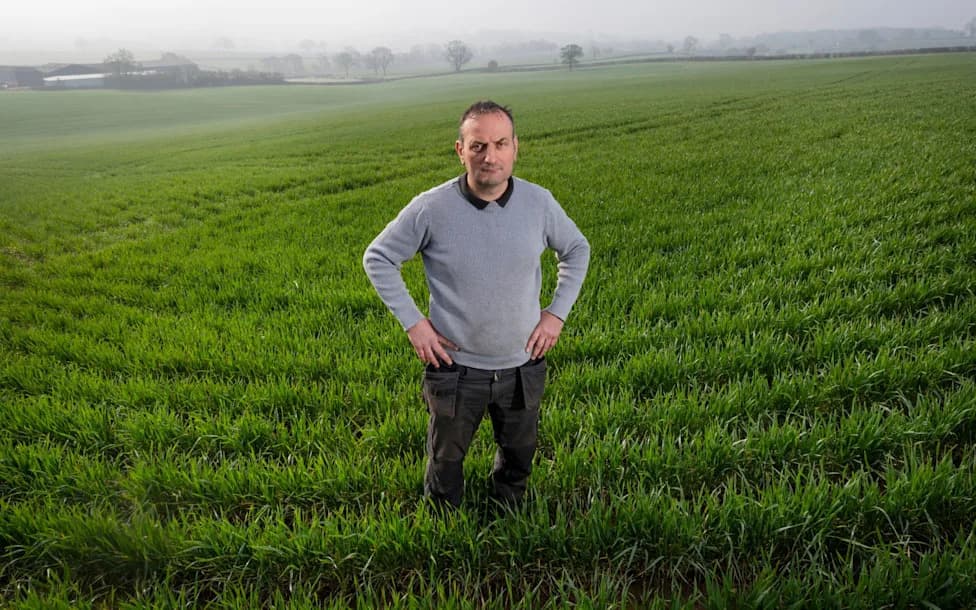
Farmers face a crisis in the supply of fertiliser - David Rose For the Telegraph
Europe faces a mounting food-security threat as this year’s grain harvest is battered by drought while the Ukraine–Russia war continues to disrupt global supplies. The combined impact of extreme weather, strained transport routes and fertiliser shortages is already pushing costs higher and risks further crop losses.
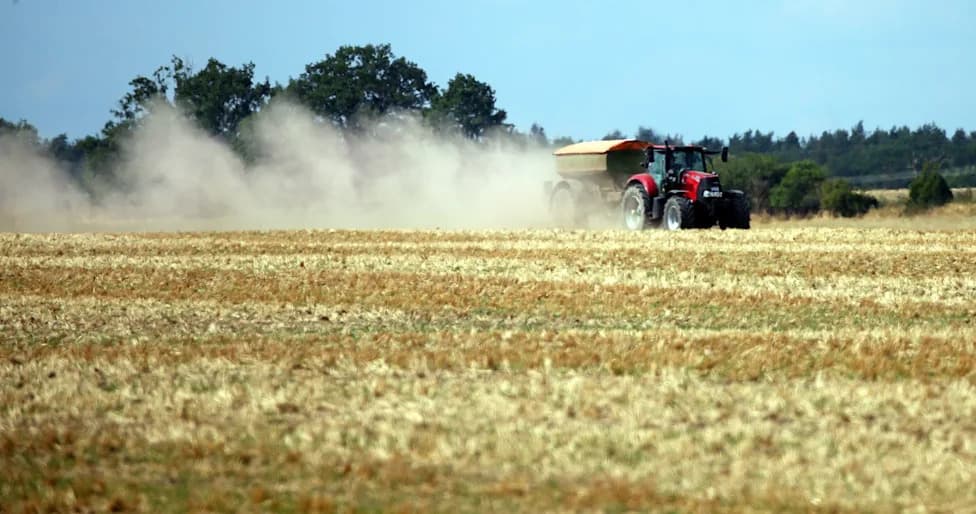
Wheat prices have risen roughly 30% this year, increasing costs across the supply chain. British yields are expected to fall because of prolonged heat and dry conditions, and there is little sign that rains will restore normal levels soon. Extremely low water on the Danube is raising the cost of moving grain from central and eastern Europe to ports on the Black Sea, while regional shipping is further disrupted by the intensifying war.
Pressure extends beyond grain. Conflict in the Persian Gulf has constrained exports of natural gas — a key input for fertiliser manufacture — and has left shipments of fertiliser delayed. Around 35% of global fertiliser transits the Gulf, and since February roughly one million tonnes of fertiliser have been stranded there, tightening global supply and driving prices up.
At home, the UK now depends heavily on imported fertiliser and ammonia after the closure of several domestic production plants in recent years. The government is preparing to introduce a carbon levy on fertiliser imports aligned with the concept of a carbon border adjustment mechanism (CBAM), due to begin in January. Applied without exemptions for food-critical inputs, such a levy risks further squeezing farmers already facing higher costs and weaker yields.
Farmers have warned that some may leave land fallow rather than produce at a loss. The government has announced a £65m drought package to support agriculture, including funds for on-farm water storage. That support is welcome, but it must be paired with practical regulatory relief — notably faster permissions for reservoirs and sensible exemptions or delays for fertiliser-related levies — so short-term survival does not undermine long-term food security.
Policymakers need a coherent package that balances climate ambitions with immediate food-supply realities: short-term measures to stabilise inputs and logistics, and medium-term moves to rebuild resilient domestic production and supply chains. Without urgent, joined-up action, consumers face higher prices and farmers face untenable choices at the worst possible moment.
Help us improve.