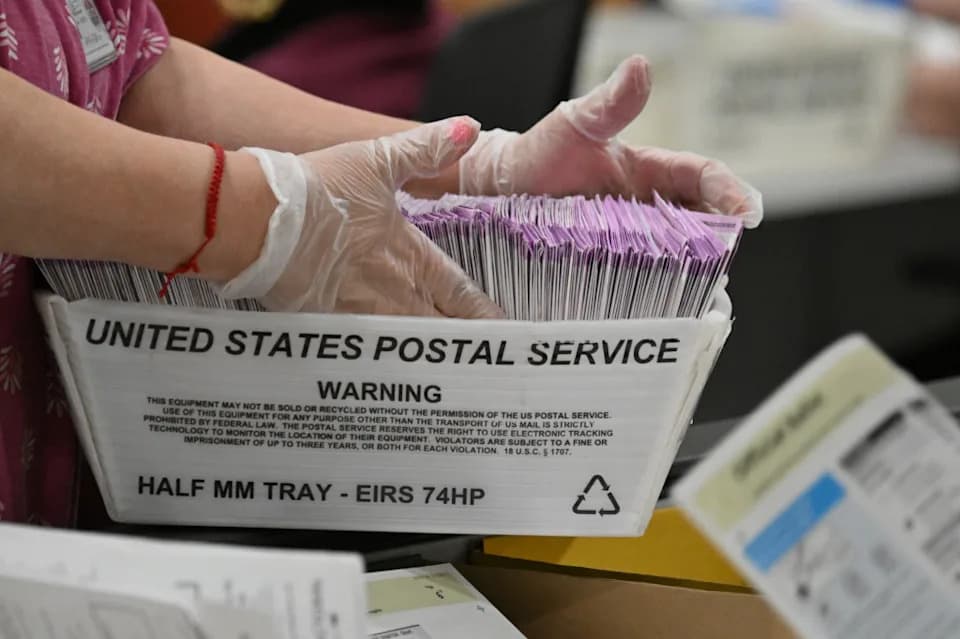
Donald Trump requested and returned an absentee ballot for Florida's Republican primary; Palm Beach County records show his ballot was received on August 14. The action comes as the administration seeks Supreme Court approval to implement broad restrictions on mail-in voting — a push repeatedly blocked by lower courts. Critics warn the proposed changes would create confusion and could suppress turnout, while the White House says limited exceptions would remain under its plan. Florida voters are also deciding competitive gubernatorial, congressional and special Senate primaries this week.
Trump Votes Absentee in Florida While Pushing Nationwide Mail-In Restrictions
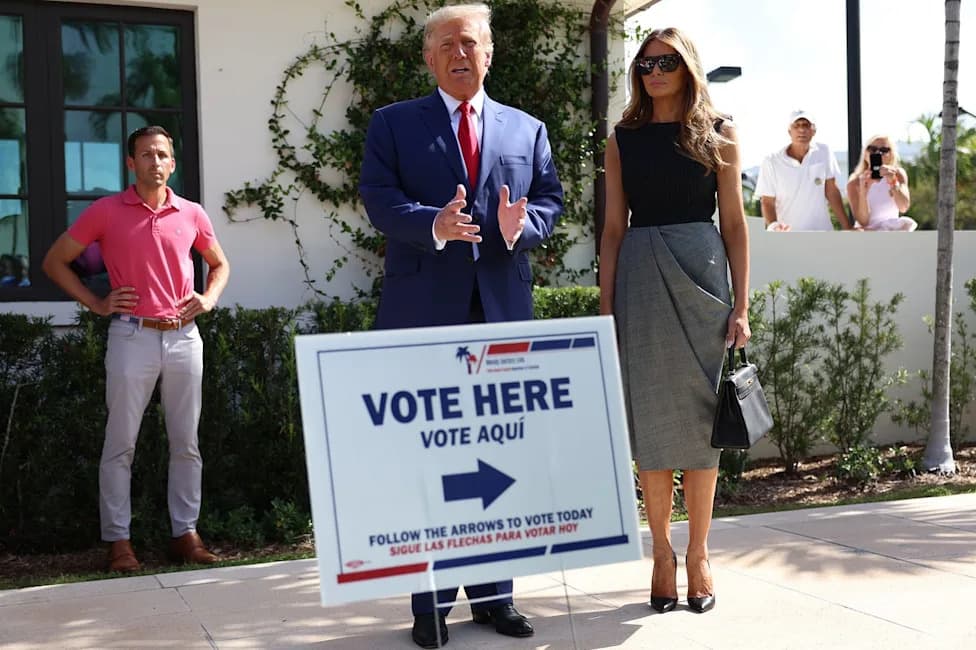
‘Do as I say, not as I do’ Trump votes by mail after calling it a fraud
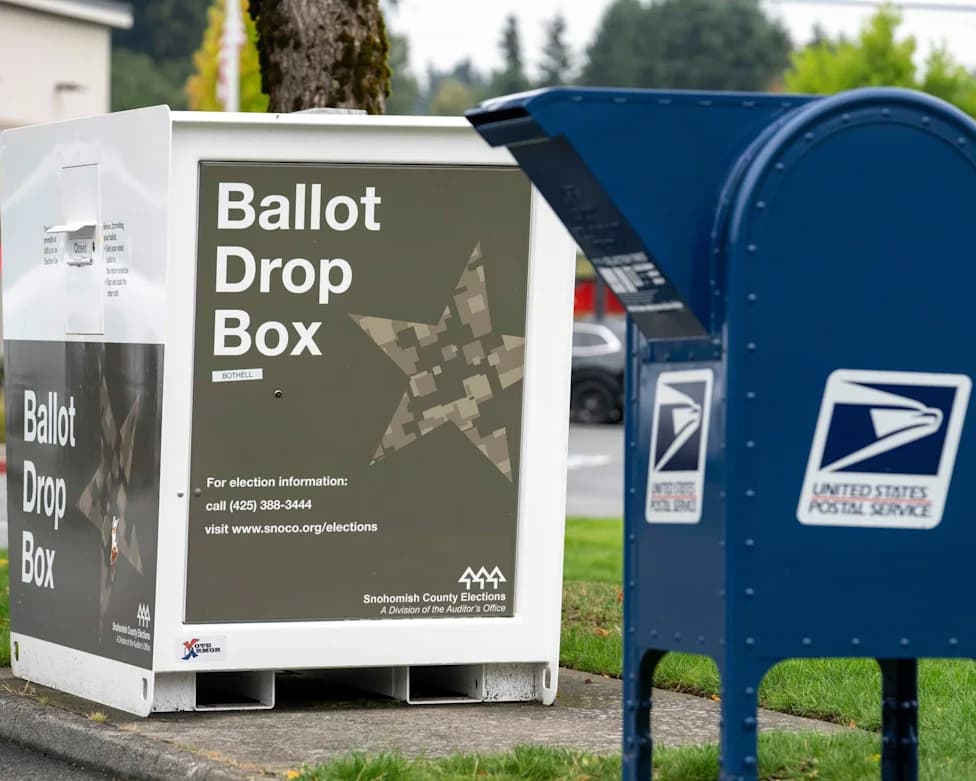
Donald Trump requested and returned an absentee ballot for Florida's Republican primary, according to Palm Beach County records showing his ballot was received on August 14. The move comes as the administration pursues broad limits on mail-in voting nationwide — a push that has faced repeated legal setbacks.
Records show the president, whose Mar-a-Lago residence is in Palm Beach County, voted by mail after last appearing in Florida in May; he previously cast a mail ballot during a March special election. Politico first reported the county records.
White House Response
The White House defended the apparent contradiction between the president's personal use of mail-in voting and his public criticism of universal absentee balloting. "As President Trump has said, the SAVE America Act has commonsense exceptions for Americans to use mail-in ballots for illness, disability, military, or travel – but universal mail-in voting should not be allowed because it's highly susceptible to fraud," White House spokeswoman Olivia Wales said.
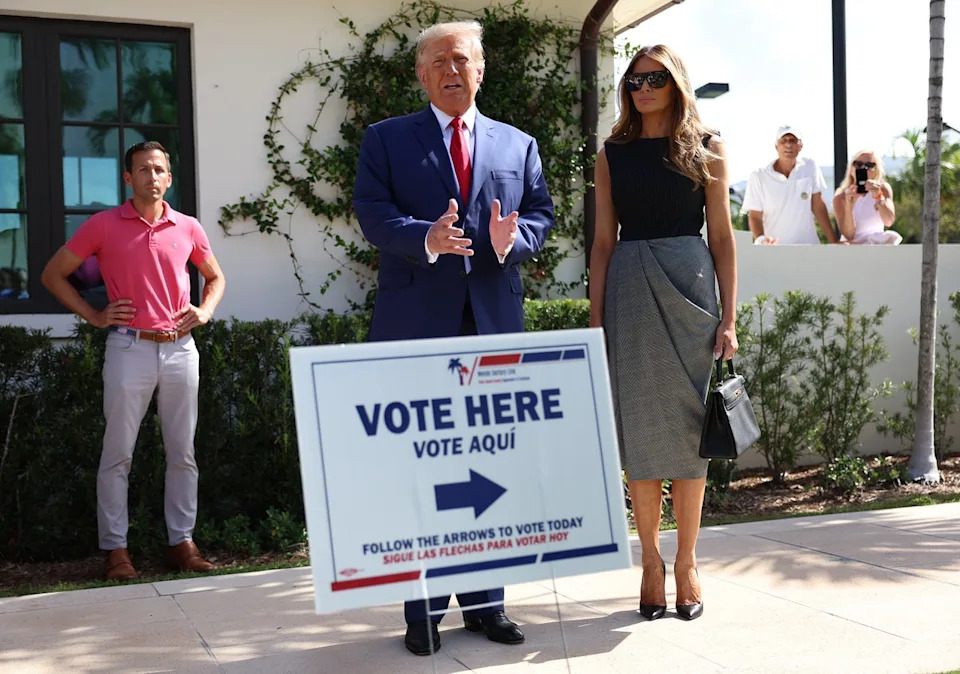
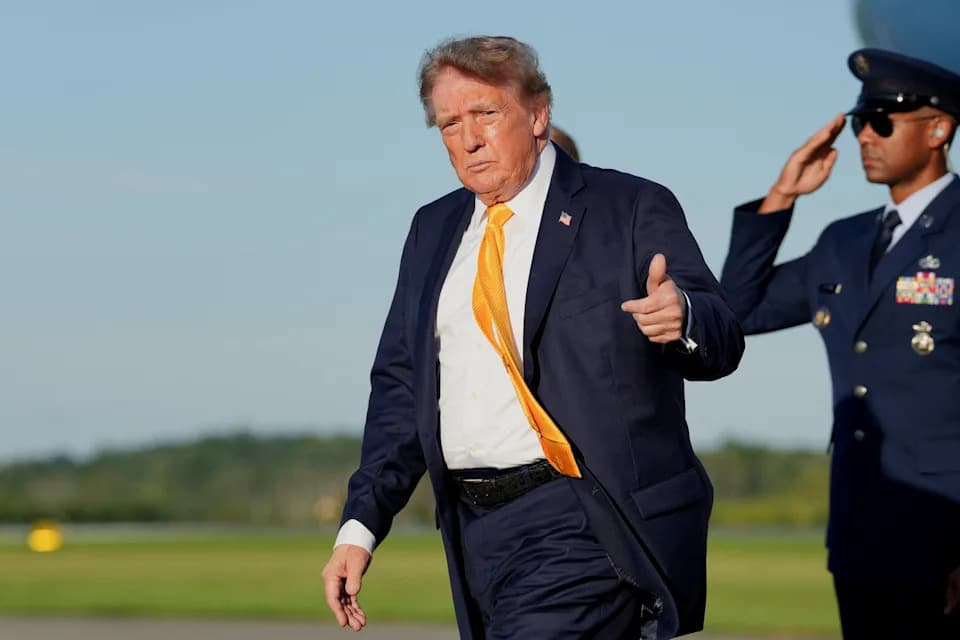
Donald Trump has once again cast a mail-in ballot for Florida elections while he pushes for nationwide restrictions on the practice and condemns voting absentee as 'cheating' (Getty)
"As everyone knows, the President is a resident of Palm Beach and participates in Florida elections, but he obviously primarily lives at the White House in Washington, D.C. This is a non-story," the statement added.
Rhetoric Versus Practice
The apparent inconsistency is not new. Days after voting by mail in March, Trump described the process as "cheating" at an event in Tennessee. He later called mail-in ballots "inherently corrupt" and, during the State of the Union, urged an end to what he labeled "crooked mail-in ballots."
Meanwhile, the Trump campaign and the Republican National Committee launched a 2024 initiative called "Swamp the Vote" aimed at closing the gap with Republican voters who use mail-in ballots, while the president has also criticized early in-person voting as excessive.
Legal Fight Over Election Rules
Separately, the administration has sought emergency relief from the Supreme Court to allow sweeping changes that would narrow access to mail ballots ahead of the midterms. Federal courts have blocked parts of the president's executive order — including measures involving the U.S. Postal Service and a proposed national voter registration list intended to affect voter eligibility.
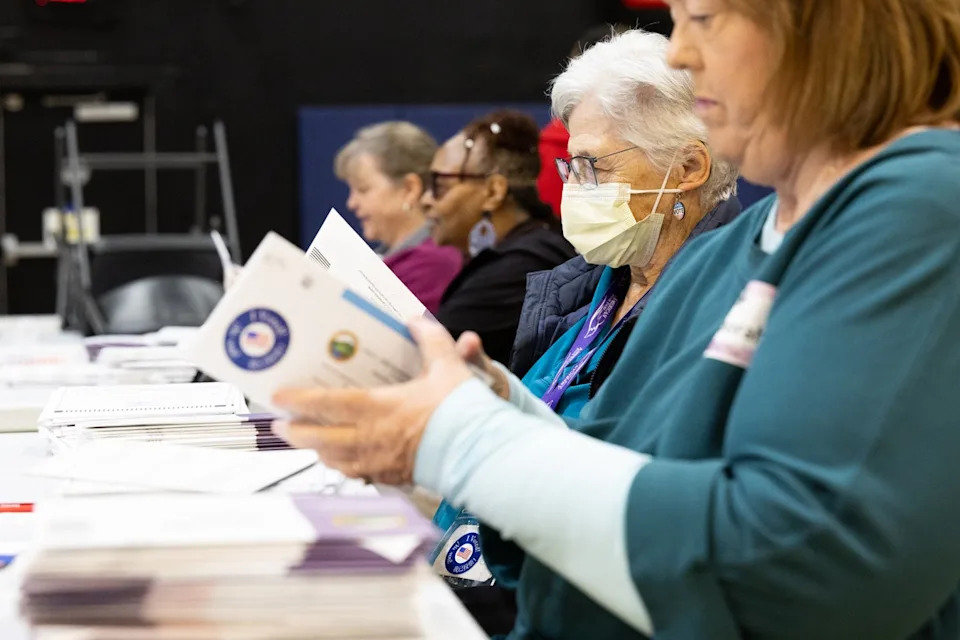
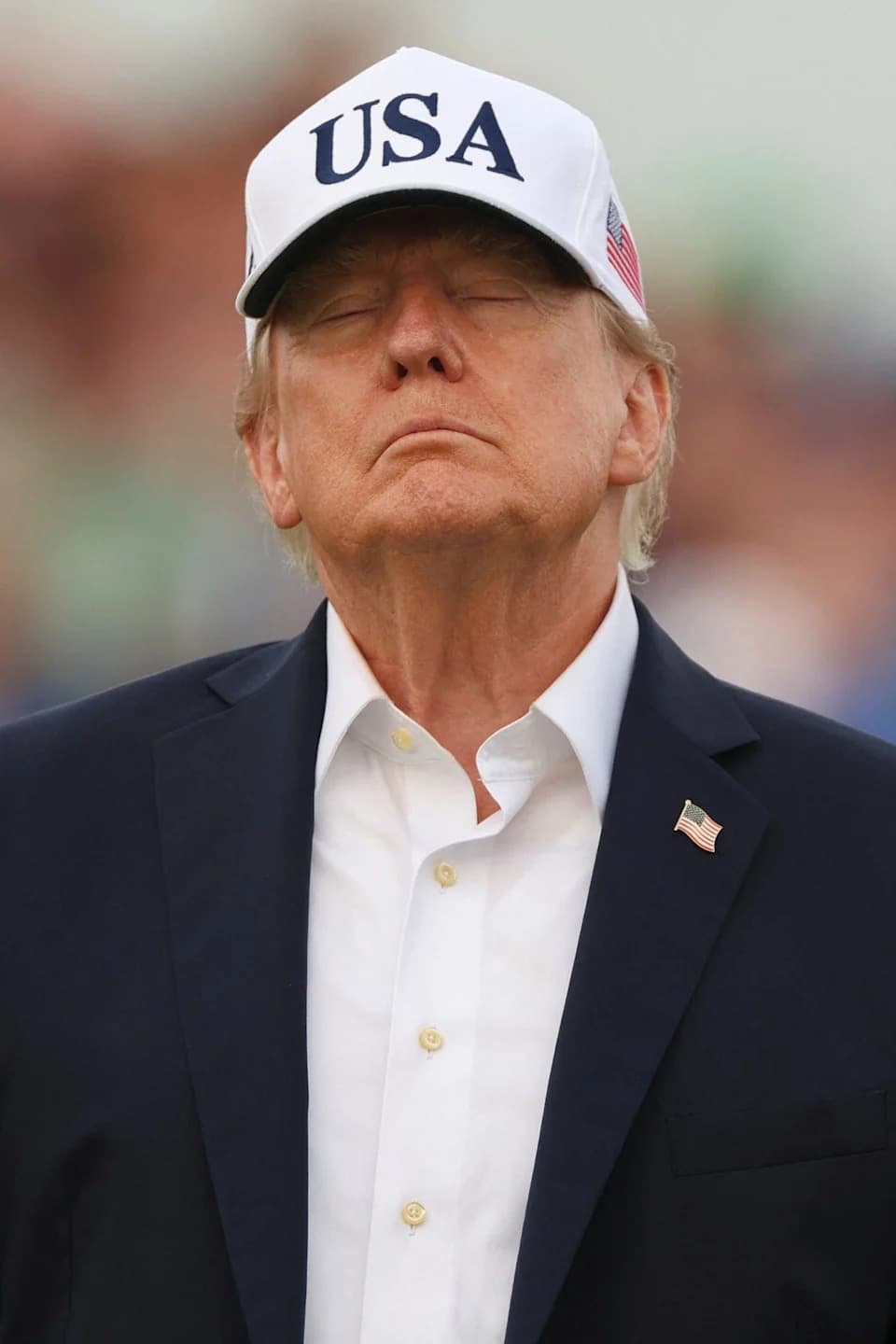
The Trump administration is pressing for the Supreme Court's permission to implement a sweeping executive order that would restrict access to mail-in ballots in midterm elections this fall (Getty)
U.S. Solicitor General D. John Sauer warned the Supreme Court that lower-court rulings could "effectively run out the clock" on efforts to implement the order before November, and the administration has asked the justices for permission to proceed.
Opponents — nearly two dozen Democratic-led states, dozens of election officials, and more than 50 former state and federal judges — told the high court the order would create "chaos" for voters and their ballots. A bipartisan coalition of 118 current and former election officials added that implementing the plan weeks before ballots are mailed would place election workers in an "untenable position," potentially exposing them to threats of criminal prosecution for attempting to comply with conflicting directives.
Political Stakes in Florida
Florida voters face a busy primary calendar. On Tuesday they will select nominees to replace term-limited Republican governor Ron DeSantis. Eleven GOP candidates are competing for the nomination, including Lt. Gov. Jay Collins, Rep. Byron Donalds, former investment firm CEO James Fishback, and former state House Speaker Paul Renner.
The state will also hold its first congressional primaries under a newly redrawn map favorable to Republicans, and a special primary to fill the U.S. Senate seat vacated by Marco Rubio. Republican Ashley Moody, who is currently filling the seat, faces two primary challengers; two candidates are running for the Democratic nomination.
The conflicting messages about absentee voting and the concurrent legal fight over federal directives highlight the broader national debate on how elections should be administered and who gets to set the rules.
Help us improve.