Early trials suggest GLP-1 receptor agonists — drugs used for weight loss and diabetes — may improve key features of PMOS (formerly PCOS): weight, insulin resistance and elevated testosterone. A June report in Fertility and Sterility found 8 of 11 completers lost ~10% of body weight (median ~42 lb) and had a median 52% reduction in testosterone; some regained monthly periods. Researchers call the results promising but preliminary, and larger, longer trials plus approval and insurance issues remain important hurdles.
GLP-1 Drugs Show Promise for Treating PMOS (Formerly PCOS) — Early Trials Report Weight, Hormone and Metabolic Benefits
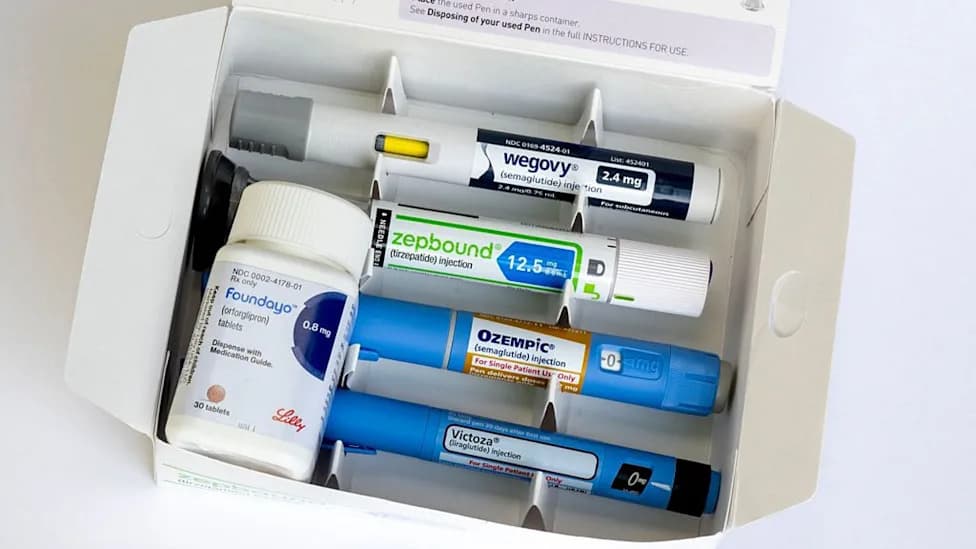
FILE-In this photo illustration of a group of weight loss medications on a white background. (Photo by: Michael Siluk/UCG/Universal Images Group via Getty Images)
New research suggests that GLP-1 medications — a class of drugs already used for weight loss and diabetes — may help treat polyendocrine metabolic ovarian syndrome (PMOS), the condition formerly known as polycystic ovary syndrome (PCOS). Early, small clinical trials report meaningful weight loss and improvements in insulin and testosterone levels among people with PMOS, with some participants experiencing more regular menstrual cycles.
What the Studies Found
Initial data published in Fertility and Sterility in June reported that eight of 11 participants who completed a trial lost roughly 10% of their body weight. The median weight loss among those completers was about 42 pounds, and the median reduction in testosterone was 52%. In that study six women reported more frequent menstrual cycles and four achieved monthly periods.
Dr. Melanie Cree, director of a PMOS clinic at Children’s Hospital Colorado and lead investigator on three small trials, told The Associated Press that participants taking GLP-1 drugs consistently lost more weight than control groups and saw reductions in blood glucose, insulin and testosterone. The trials included injected semaglutide, oral semaglutide, and injected exenatide.
How GLP-1 Drugs Might Help
Semaglutide and exenatide are GLP-1 receptor agonists: they mimic the GLP-1 hormone released in the gut after eating. By reducing appetite and improving glucose metabolism, these drugs may address both the excess weight and the insulin resistance that contribute to elevated ovarian androgen production in PMOS. Lower insulin levels can reduce stimulation of the ovaries to produce testosterone, which in turn can improve symptoms such as irregular periods, severe acne and excess facial hair.
Limitations and Practical Issues
Although multiple small studies show encouraging effects, experts caution that the evidence remains preliminary. Trials to date have been small and relatively short; larger, longer randomized controlled trials are needed to confirm safety, optimal dosing, and long-term benefits for fertility and metabolic outcomes.
Meanwhile, some clinicians are prescribing GLP-1 drugs off-label for PMOS and reporting clinical improvements, but insurance coverage can be a barrier because these medications are not yet approved specifically for PMOS.
What Patients Should Know
PMOS is a complex endocrine and metabolic condition that can take years to diagnose. Current standard care focuses on symptom management — for example, hormonal contraception to regulate periods and lifestyle measures such as diet and exercise to manage weight. GLP-1 drugs may offer a new therapeutic approach that targets the metabolic drivers of PMOS, but patients should discuss potential benefits, risks, cost and insurance implications with their clinicians.
Reporting for this story drew on accounts from The Associated Press and information from UCLA Health. The reporting was filed from Washington, D.C.
Help us improve.