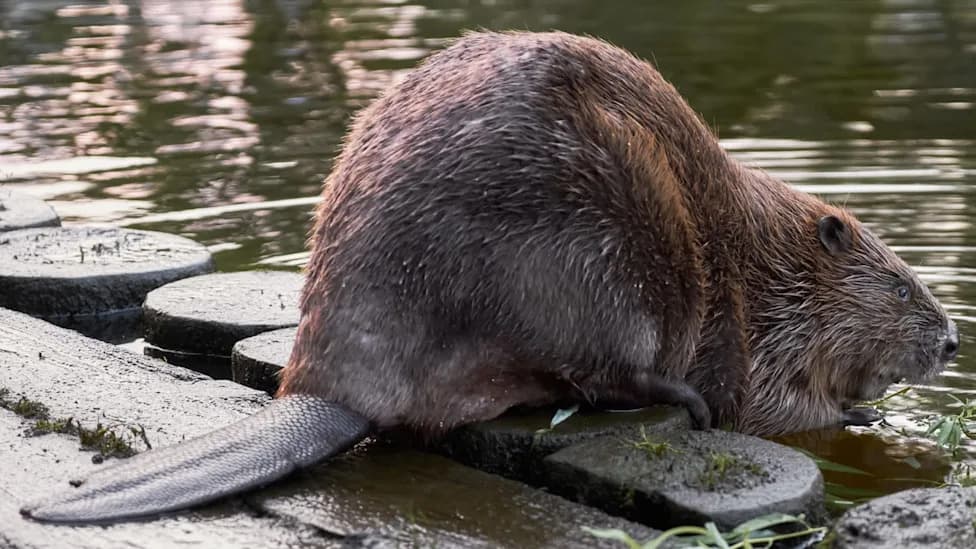
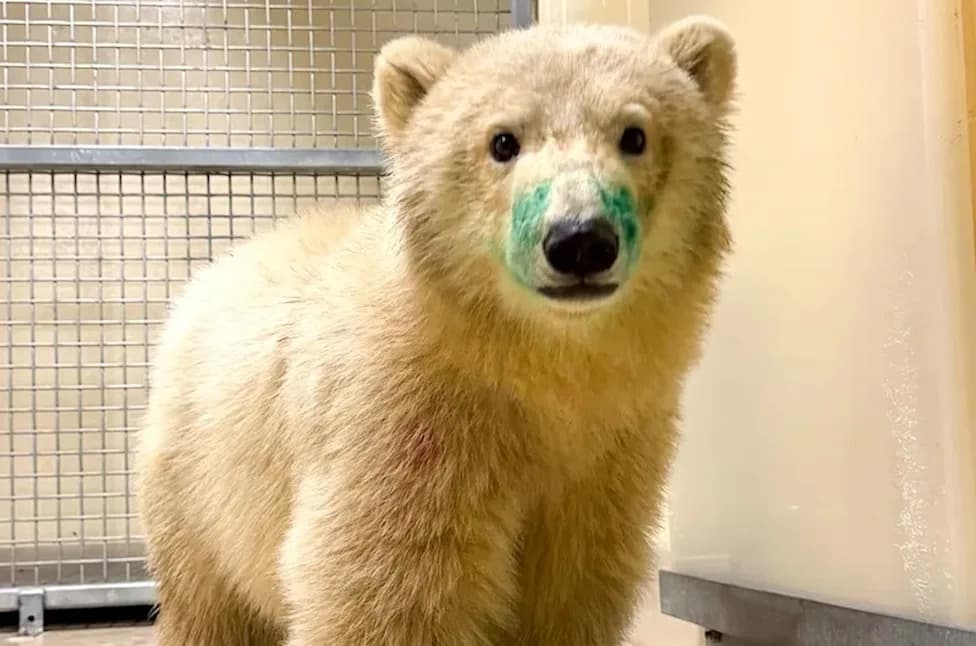
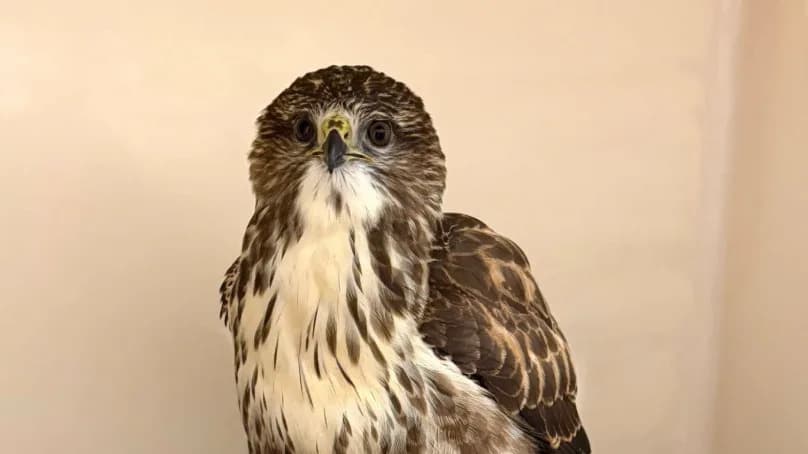
Staff and volunteers at the Interior Wildlife Rehabilitation Society in Summerland, B.C., evacuated nearly 30 animals in about an hour before a wildfire destroyed their sanctuary. The rescued animals — including a baby beaver named Poppy, two otters, 14 water birds, bats, skunks, a porcupine and three turtles — were transferred to a Kamloops wildlife centre about 137 km (85 miles) away. Although the facility was lost, all animals survived and will continue to receive care, while the community works to restore local rehabilitation capacity.
‘Noah’s Ark’ Rescue: Nearly 30 Animals Evacuated in an Hour Before Wildfire Destroys BC Rehab Centre
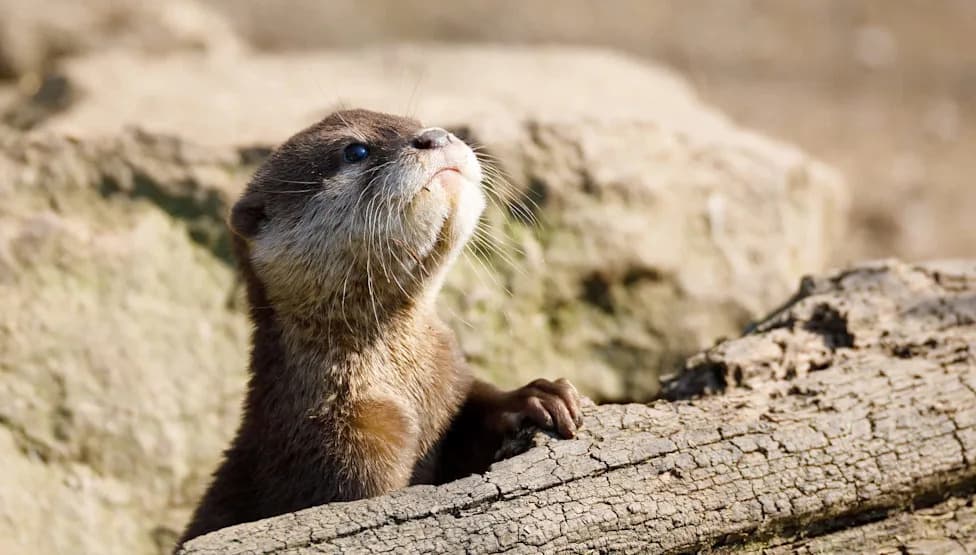
Photo Credit: iStock
Staff and volunteers at the Interior Wildlife Rehabilitation Society in Summerland, British Columbia, evacuated nearly 30 animals in roughly an hour before a fast-moving wildfire consumed their sanctuary. The facility was destroyed, but every animal was moved to safety and survived.
Founder Eva Hartmann confirmed the sanctuary building was lost, and volunteers loaded the evacuees onto vehicles for transfer to a wildlife centre in Kamloops, about 137 km (85 miles) northeast of Summerland.
A Harrowing, Species-By-Species Evacuation
Volunteer Ryan Cope described the effort as ‘a bit of a Noah’s Ark menagerie’ and said rescuers had only about an hour to get the animals out before flames reached the property. The group of roughly 30 included bats, skunks, a porcupine, a baby beaver named Poppy, two otters, 14 water birds and three turtles.
Ryan Cope: ‘It was a bit of a Noah’s Ark menagerie getting them out, and we really only had an hour before the fire blew through the property.’
Evacuating multiple species under time pressure posed major logistical challenges: different animals require specific carriers, secure enclosures and immediate medical or dietary care. The successful evacuation meant these animals can continue rehabilitation at the Kamloops centre rather than being left in the path of the blaze.
Broader Impact
Wildfires do more than damage homes and infrastructure; they can destroy the local facilities that care for injured, orphaned and vulnerable wildlife. Wildlife centres depend on tight local networks of founders, volunteers and partner organisations, so the loss of one site is both an infrastructure loss and a disruption to community resources that protect nearby ecosystems.
The Interior Wildlife Rehabilitation Society specialises in rescuing and rehabilitating animals that could not survive on their own, particularly when fires and other disasters threaten their habitats. Local and regional partners have stepped in to ensure continuity of care while the sanctuary assesses damage and next steps.
Help us improve.