Northwestern researchers report in Nature Communications that disease‑causing gene mutations can disrupt dopamine production in vulnerable neurons, shedding light on a core mechanism of Parkinson’s disease. Loukia Parisiadou says the insight could enable early, disease‑modifying therapies by targeting neuronal dysfunction before widespread degeneration. The finding complements prior work on a GPR6‑linked pathway, a key neuronal protein, and recent blood biomarker studies that together point toward earlier diagnosis and new therapeutic avenues.
New Genetic Clues Link Dopamine Disruption to Early Parkinson’s — Northwestern Study Points to Therapy Targets
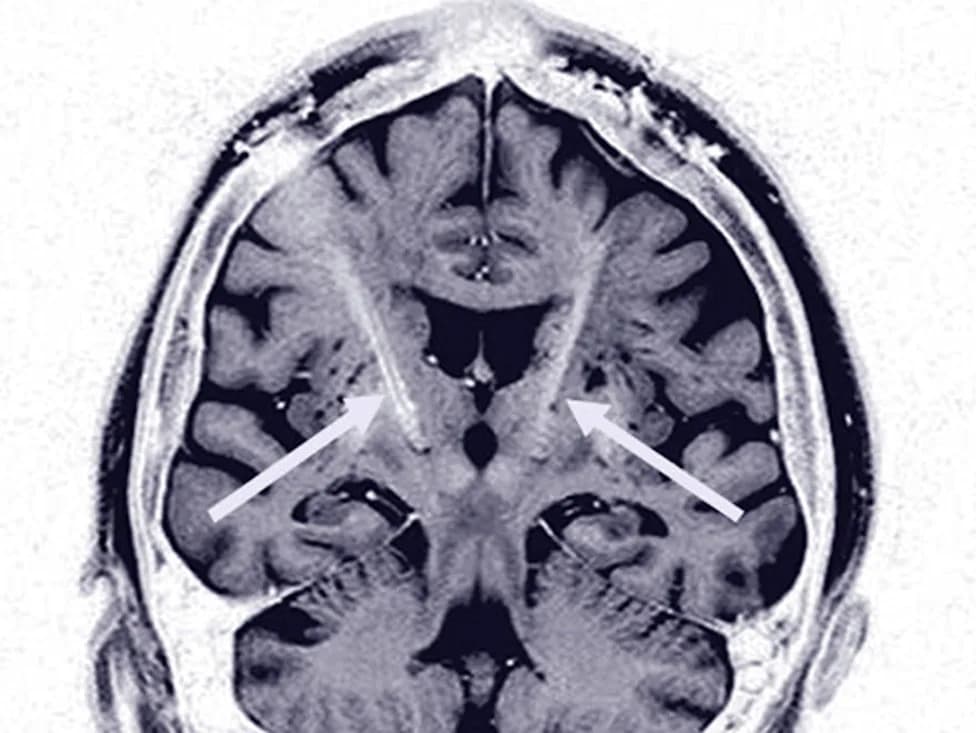
Researchers have uncovered how the brain's production of dopamine gets disrupted by "disease-causing mutations" in genes. Scientists suggest identifying early-stage Parkinson's "biomarkers" in blood that could facilitate potential "early diagnosis via blood tests." Universitätsmedizin Kiel/dpa
Researchers at Northwestern University report new genetic evidence that helps explain how dopamine production becomes disrupted in Parkinson’s disease, a finding published in Nature Communications that could guide development of early, disease‑modifying treatments.
The team identified how disease‑causing mutations interfere with the machinery that produces dopamine in vulnerable neurons. Dopamine is a key neurotransmitter for everyday cognition, planning and reward processing, and its loss underlies the characteristic stiff and slow movements of Parkinson’s patients.
“This is the core of Parkinson’s disease,” says Loukia Parisiadou, assistant professor of pharmacology at Northwestern. “If we understand what mechanisms are behind the dysfunction of these vulnerable neurons early, then we can perhaps do better, and target these neurons early and achieve disease‑modifying therapies.”
While restoring dopamine levels can relieve symptoms temporarily, researchers emphasize that halting the underlying neuron degeneration remains the central challenge. The Northwestern findings add mechanistic detail about how specific genetic mutations lead to dopamine dysfunction, offering a possible starting point for targeted interventions that act before extensive neuronal loss.
Context And Related Research
These results build on several recent directions in Parkinson’s research. Two years ago, researchers at a University of California campus described a potential treatment pathway involving the molecule GPR6, noting that symptomatic dopamine restoration does not stop neuronal degeneration. In 2021, a University of Cambridge–led team reported a key protein that influences neuron function. More recently, scientists at Chalmers University of Technology and the University of Oslo identified early‑stage Parkinson’s biomarkers in blood, suggesting the potential for earlier diagnosis.
What Comes Next
Translating this genetic and molecular insight into therapies will require further validation in cell and animal models and the development of compounds that can safely modulate the implicated pathways in humans. Nevertheless, the study points researchers toward specific cellular targets and reinforces the value of combining genetic, molecular and biomarker research to detect and treat Parkinson’s earlier in the disease course.
Help us improve.