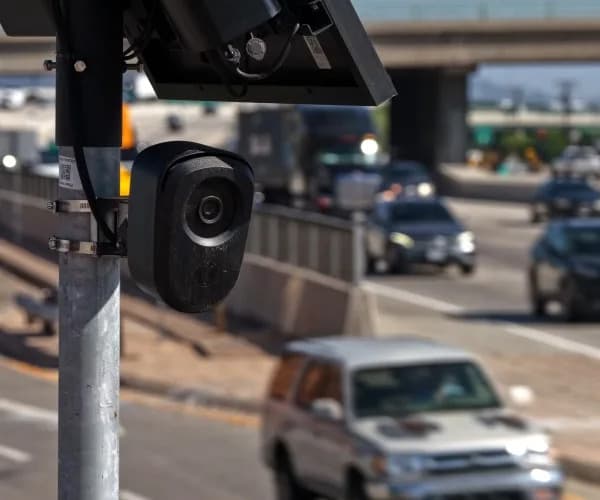
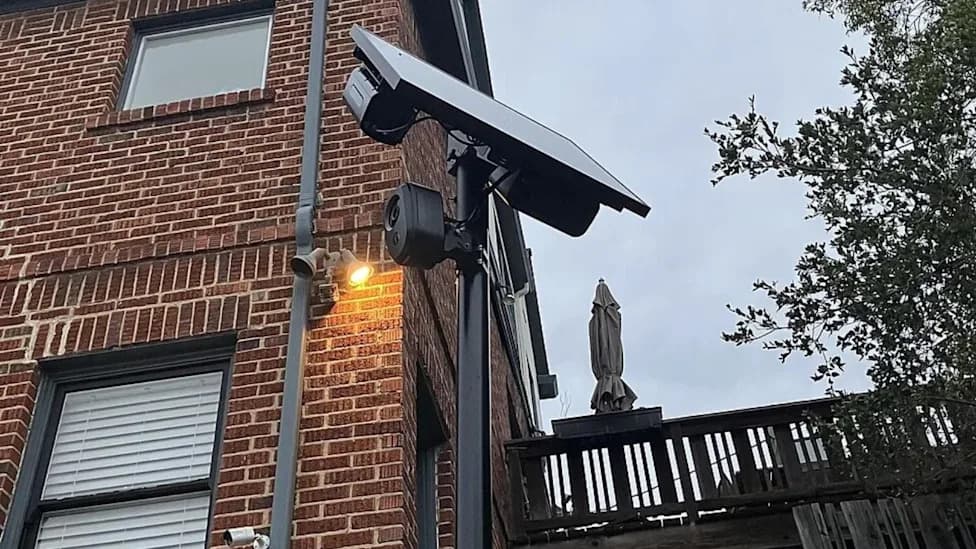
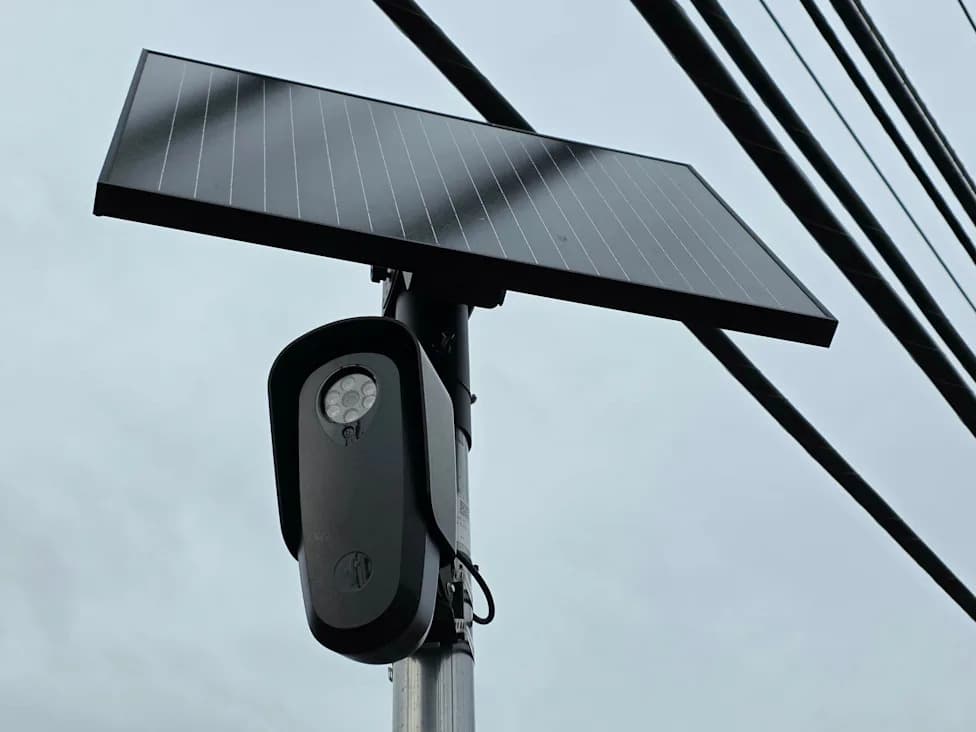
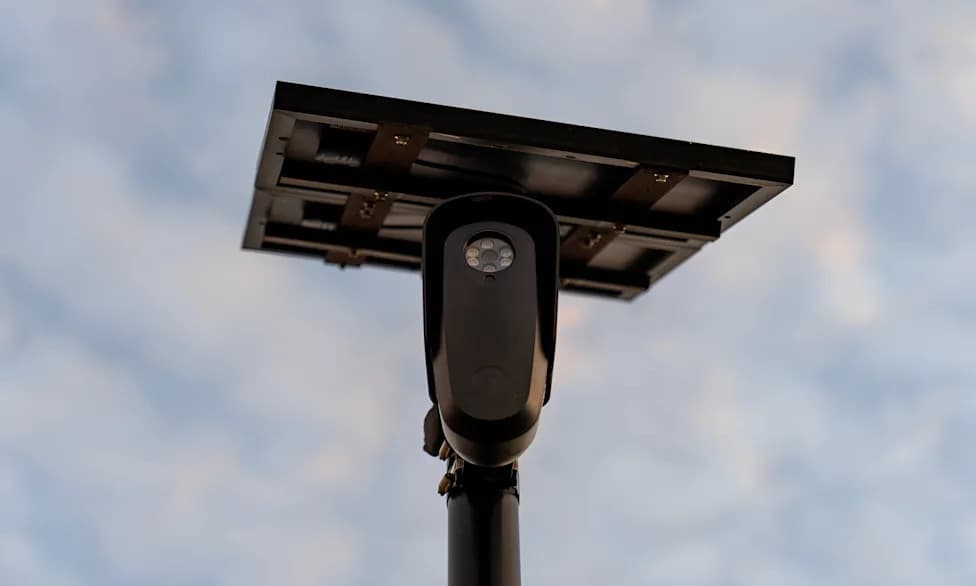
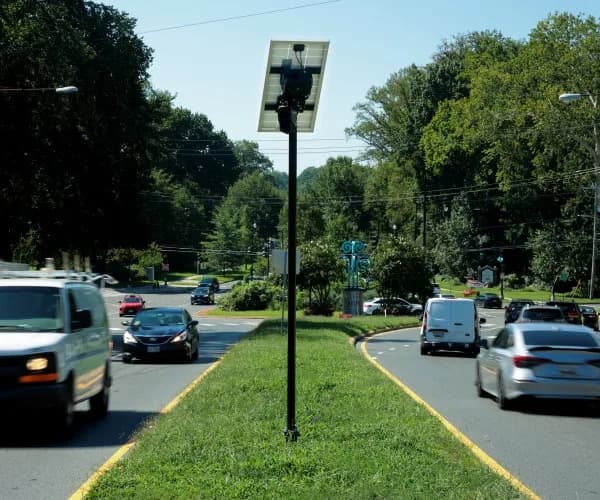
HaveIBeenFlocked.com publishes Flock Safety audit logs so people can see when their license plates were queried. Since January 2026, readable free-text reasons have increasingly been replaced by dropdowns, abbreviations, numeric placeholders or blanks — often at the direction of internal guidance to be 'as vague as permissible.' Those changes reduce public accountability. A targeted public-records request for full audit logs and any codebooks or policy documents can force agencies to put that opacity on the record.
Police Use Codes to Hide Why They Looked Up Your License Plate — How To Push Back
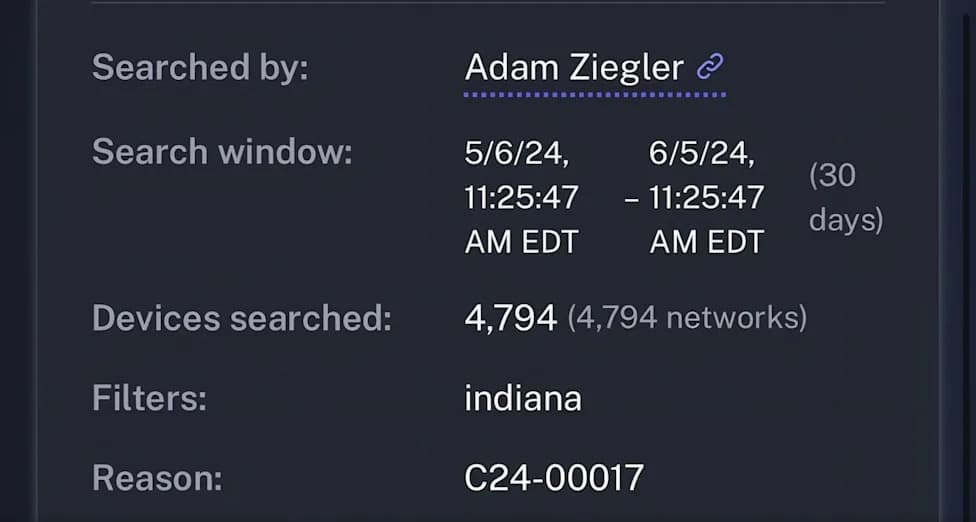
Image: X - Orwell Day
HaveIBeenFlocked.com aggregates Flock Safety audit logs obtained through public-records requests so anyone can see when an operator queried the system for a particular license plate. The logs often list the agency, the operator and the timestamp — but the field meant to explain why a query was made is increasingly unhelpful: vague abbreviations, numeric placeholders or blank entries with no public key or explanation.
How the Reason Field Changed
Until January 2026, many entries contained descriptive free-text reasons such as 'fishing violation,' 'stranger danger,' or 'Suspicious Auto (bullet holes).' Those entries were inconsistent but at least offered a window into why someone was searched. After that point, Flock introduced dropdown menus and standardized categories. Reasons collapsed into sanitized labels — for example, logs released by the Texas Department of Public Safety now show phrases like Traffic Infraction – Criminal Justice Purpose — and in places such as San Jose, entries shifted toward terse abbreviations or internal numeric codes.
What You Can Still See — And What You Can't
Many public audit logs still reveal the agency name, the operator and the timestamp, although some releases (notably via Flock's own transparency portal) are more heavily redacted. The 'reason' field, however, has become less informative: entries frequently show short codes like 'inv' or 'sus,' numeric placeholders, or nothing at all. According to HaveIBeenFlocked's documentation, blank reason fields 'typically indicate the agency chose not to include this information in public records.'
Internal guidance obtained via records requests instructs officers to be 'as vague as permissible' when documenting why they used Flock.
Why That Matters
Readable reason fields previously exposed troubling uses of the system: coordination with federal agencies such as ICE, a search tied to a woman who had an abortion, and officers using the system to stalk people. Those revelations help explain why agencies and operators would prefer less transparent entries — making it harder for outside researchers and the public to detect patterns of abuse.
An analysis published by footnote4a.org warns that, with reasons obscured, the logs suggest police can and will examine long-term location histories 'for any reason or no reason at all.' Tools such as HaveIBeenFlocked's Reason Search, designed to surface queries related to protests, journalists or other sensitive topics, are far less useful when the 'why' is encoded or omitted.
How To Push Back: Request The Paper Trail
If your plate appears with a blank or cryptic reason, you can challenge the opacity through a strategic public-records request. Ask the agency for the full audit log and for any policy documents, codebooks, or internal guidance that map abbreviations or numeric codes to investigative categories. Specifically request:
- The complete audit log entries for the plate in question (not just a filtered export).
- Any internal codebooks, lookup tables, or policy documents that translate dropdown selections, abbreviations or numeric placeholders into plain-language reasons.
- Any training materials or memos that instruct operators how to record 'reasons' in the system.
Agencies are generally required to respond to public-records requests; they may still apply redactions, but forcing them to produce policies and codebooks makes the attempt at secrecy visible and legally documentable. If you find evidence of improper searches — for example, searches tied to protected activity or conducted for personal reasons — consider consulting an attorney experienced in privacy or civil-rights law.
Bottom Line
The move from free-text reasons to dropdowns, abbreviations and numeric codes is not a neutral technical upgrade: it is a transparency downgrade. It preserves the fact of surveillance while obscuring the motive, weakening accountability tools and leaving the public without a clear way to learn why they were targeted for scrutiny.
Check your plate on HaveIBeenFlocked.com, and if you find opaque or blank reasons, file a targeted public-records request for the full audit log and any codebooks or policy documents.
Help us improve.