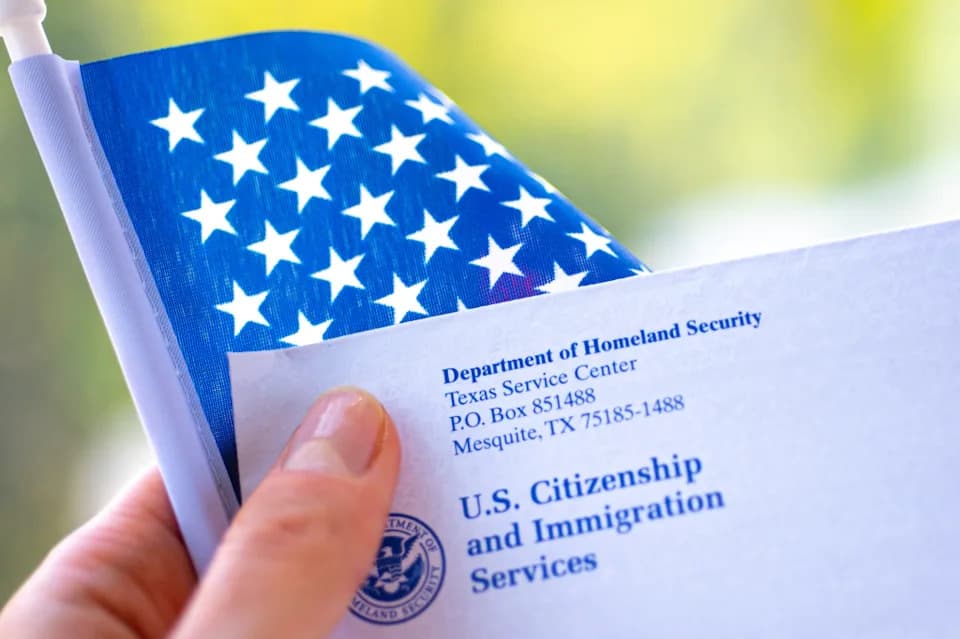
Many countries have shortened the time from a work permit to permanent residency. Uruguay’s Rentista route can deliver residency within about eight months for qualifying applicants, while Canada’s Express Entry often leads to PR within 6–14 months. Germany’s EU Blue Card can reduce the usual five-year wait to as little as 21 months with sufficient German, and Netherlands’ permit choices can likewise accelerate the timeline in some cases. New Zealand’s reforms (effective 24 Aug 2026), Mexico’s predictable four-year track, and Portugal’s flexible five-year funnel offer alternative fast routes depending on your profile.
7 Countries With the Fastest Routes From Work Visa To Permanent Residency

Image credits: Pexels
Anyone who has handled the paperwork for moving abroad knows the real question is rarely whether a visa is possible, but how long you'll need to keep renewing it. Some countries stretch that wait to a decade or more; others have rebuilt their systems so a work permit can become permanent status in a fraction of that time. Below are seven countries where the transition from initial work authorization to permanent residency is unusually fast — based on current rules rather than marketing claims.
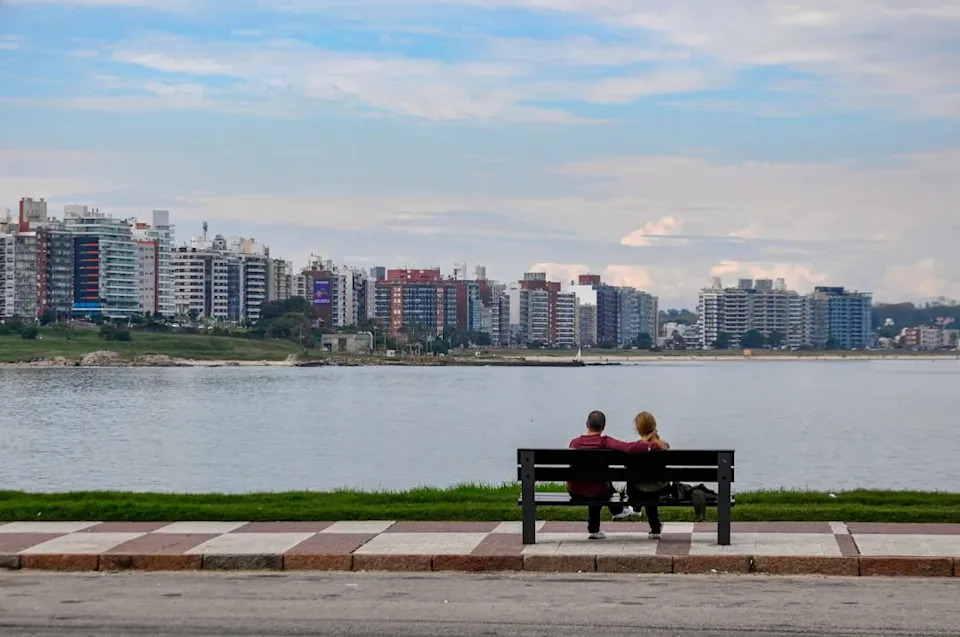
Uruguay: Residency From the Moment You Land (Image Credits: Unsplash)
Uruguay: Permanent Residency From Arrival
Uruguay largely avoids the multi-step visa ladder common in many countries. The government focuses on proof of stable livelihood and intent to reside rather than age, occupation, or large investments. Through the Rentista route, applicants who can demonstrate a stable monthly income (roughly USD 1,500 as a guideline) may obtain residency quickly. Processing times vary, but reported cases and service guides put the Rentista route among the fastest on this list — commonly cited around eight months from application to residency approval.

Image credits: Unsplash
Canada: Express Entry’s Direct Path
Canada’s Express Entry system removes the need for a traditional employer-sponsored work visa and relies on an online, points-based selection system (the Comprehensive Ranking System). Skilled-worker candidates who receive an Invitation to Apply typically see a decision within months. After an Invitation to Apply, formal processing for permanent residence commonly takes around six months; end-to-end timelines for successful candidates are often reported between 6 and 14 months. Canada also admits large numbers of skilled migrants annually (in the hundreds of thousands), making Express Entry one of the fastest, most transparent routes for skilled professionals.

Germany: The EU Blue Card Shortcut (Peer.Gynt, Flickr,CC BY-SA 2.0)
Germany: The EU Blue Card Shortcut
Germany’s standard path to settlement normally takes five years, but the EU Blue Card can accelerate that timeline for qualified professionals. Under German rules, EU Blue Card holders may become eligible for a settlement permit after 21 months of qualifying employment if they demonstrate sufficient German language ability (commonly CEFR level B1), or after a longer period (often around 33 months) with lower or no language proof. The German government also updates salary thresholds periodically; for 2026 authorities set the general annual gross threshold at approximately €50,700, with a reduced threshold near €45,934.20 for certain shortage occupations and entry-level specialist roles.
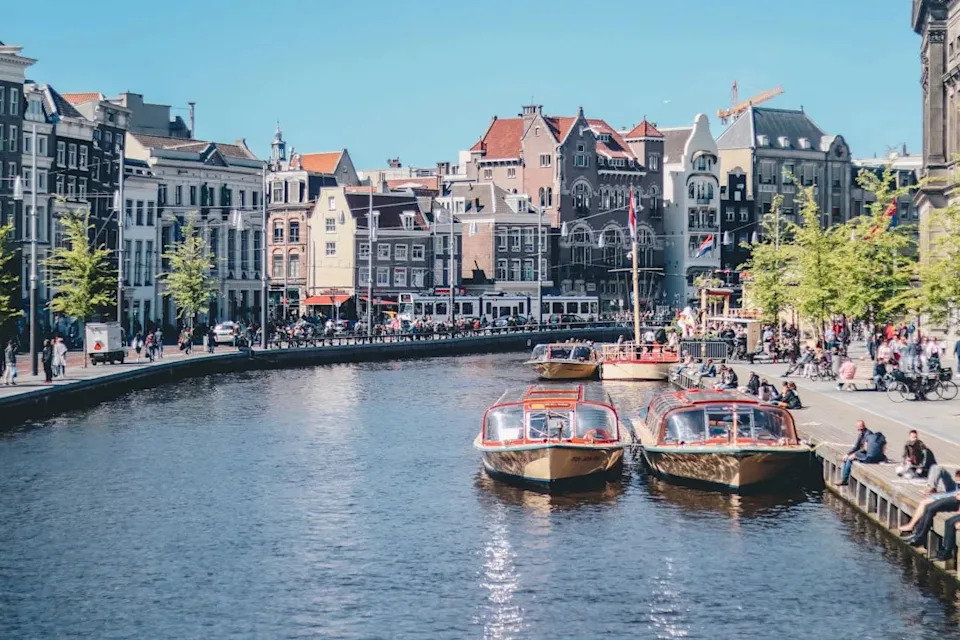
Netherlands: Two Routes, Two Very Different Clocks (Image Credits: Unsplash)
Netherlands: Two Tracks With Different Timetables
The Dutch system offers parallel tracks that lead to different waiting periods. The Highly Skilled Migrant permit typically follows the national five-year timetable, with residency granted for the length of the employment contract (up to five years) and permanent residence eligibility after five years of continuous residence. Holders of EU-style talent permits (including the EU Blue Card in some cases) may — depending on qualifying conditions and national rules — access accelerated options that shorten the wait relative to the standard five-year route. Because eligibility depends on the exact permit and personal circumstances, choosing the correct permit at the outset can save years.

New Zealand: A System Being Rebuilt for Speed (Image Credits: Unsplash)
New Zealand: Rebuilding The System For Speed
New Zealand has historically required skilled migrants to work locally for several years before residency became an option. The government is undertaking a structural overhaul to shorten that pathway. Effective 24 August 2026, Immigration New Zealand will revise the Skilled Migrant Category points system, introduce two new pathways alongside the existing route, and adjust wage-threshold rules. One of the changes is designed to let applicants qualify on the basis of work experience alone — a move intended to speed residence access for tradespeople and experienced workers who previously relied on points for income, qualifications, or registration.

Mexico: Four Years and a Clear Finish Line (Image Credits: Unsplash)
Mexico: A Predictable Four-Year Track
Mexico offers a straightforward and predictable transition from temporary work residency to permanent status. Temporary residents who hold a valid work permit and maintain continuous compliance can generally apply for permanent residency after a defined period (commonly cited as four years). Unlike some systems that demand repeated language tests or ongoing point recalculations, Mexico’s path is primarily time- and compliance-based, which can be valuable for workers already settled in a job and community.
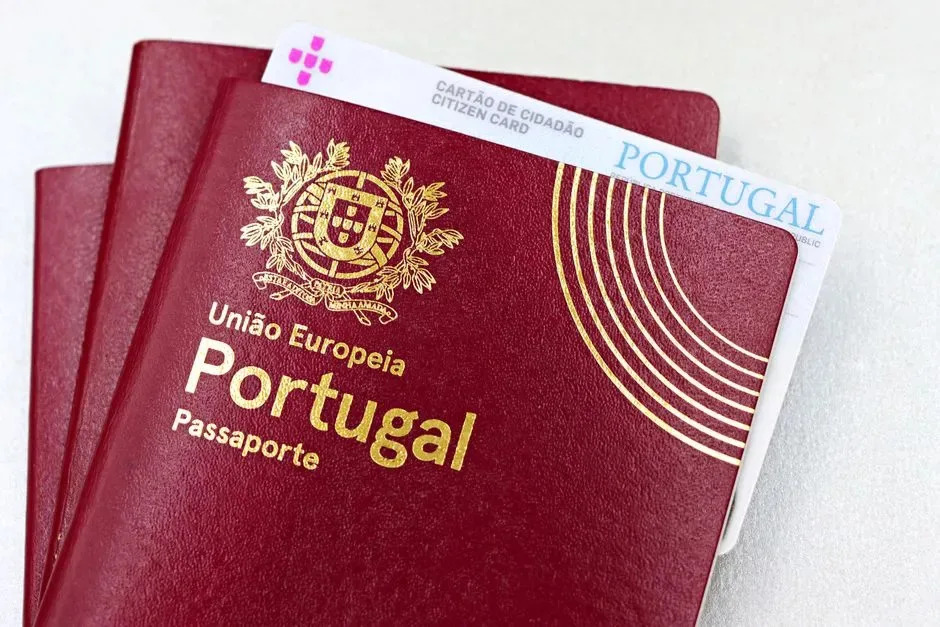
Portugal: Five Years, Multiple Entry Points (Image Credits: Pexels)
Portugal: Five Years, Many Entry Points
Portugal funnels many visa categories toward the same five-year eligibility mark for permanent residency. After five consecutive years on a residence permit (covering categories such as D7, D8, work and student visas), applicants typically become eligible to apply for permanent residence. Portugal’s work visa decisions are generally processed relatively quickly (average timelines of 30–60 days are often reported), though the ongoing transition from SEF to AIMA has introduced occasional delays. Once the initial permit is granted, the route to permanent status is straightforward: renew on schedule, meet residency requirements, and apply after five years.

Weighing Speed Against Fit (Image Credits: Pexels)
Weighing Speed Against Fit
These seven countries are not interchangeable. Uruguay and Canada tend to favor applicants who can meet income or points thresholds quickly; Germany and the Netherlands reward highly skilled professionals with in-demand qualifications; New Zealand’s upcoming reforms and Mexico’s predictable timeline suit different worker profiles; and Portugal’s flexibility benefits applicants unsure of the best entry route. The fastest path on paper is not always the fastest in practice — language skills, salary floors, family circumstances and processing backlogs all affect real timelines. Use these figures as a starting point and confirm current rules with each country’s immigration authority before making long-term decisions.
Help us improve.