New research in NPJ Climate Action warns that AI expansion could boost global emissions by strengthening fossil-fuel industries even as it improves efficiency in other sectors. Big Tech emissions rose sharply from 2025–26 — Google and Microsoft by ~25% and Amazon by ~16% — with the three firms emitting about 19 million metric tonnes CO2e last year. A proposed Amazon gas plant in South Texas could be permitted to emit up to 33 million metric tonnes annually. The study finds renewables would need 4–5× greater AI-driven gains than fossil fuels to secure net emission reductions.
Study Warns AI Boom Could Lock In Fossil-Fuel Dominance — Outpacing Renewable Gains

AI Set to Extend Fossil Fuel Dominance
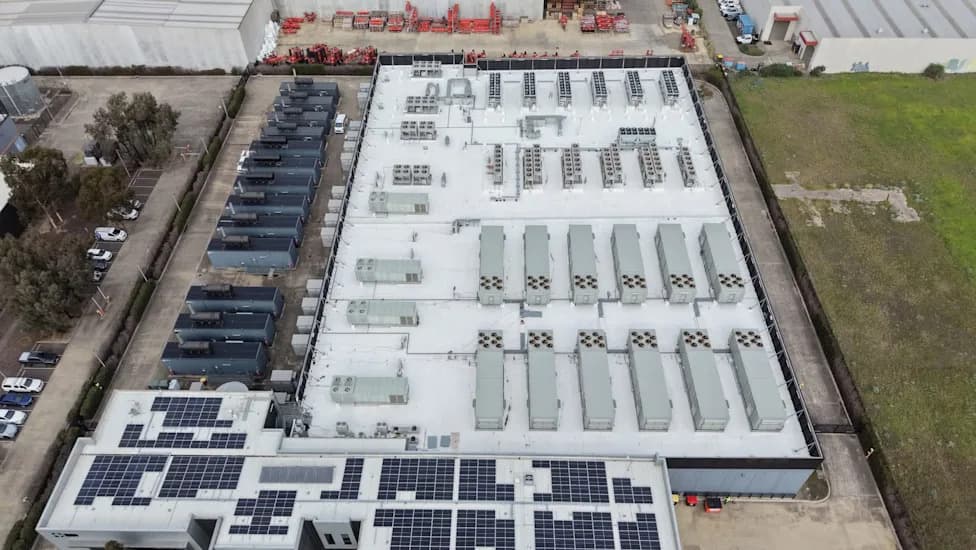
Hyperscale cloud providers are expanding data centers so rapidly that the power sector is struggling to keep pace, driving demand for every available energy source — renewable and fossil alike. What began as Silicon Valley leadership on decarbonization and bold net-zero promises is showing signs of strain as AI-driven growth reshapes energy demand and industrial incentives.
AI's Bigger Climate Risk: Enabled Emissions
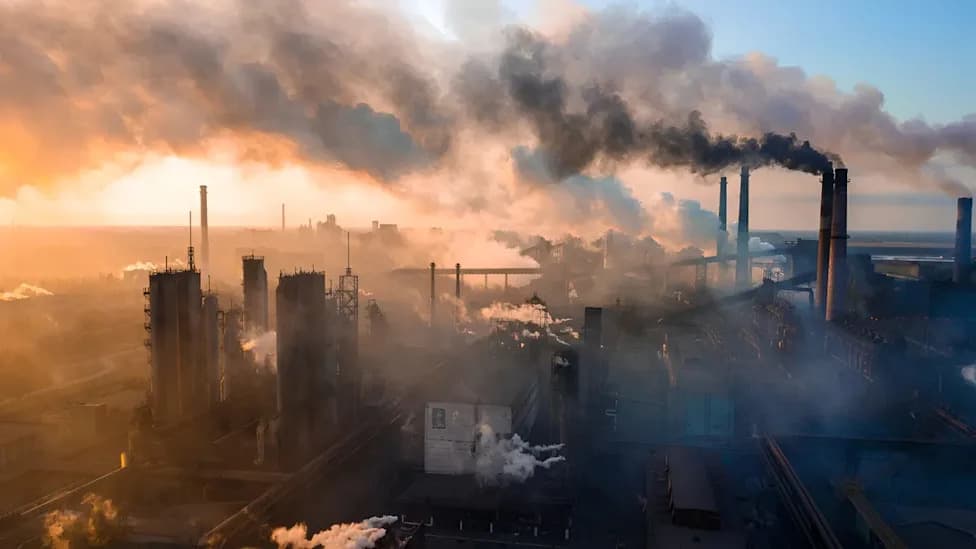
New research published in NPJ Climate Action (a Nature partner journal) argues that the largest climate risk from AI may not be the electricity the models consume directly, but how AI is used to strengthen and expand carbon-intensive industries. Rather than delivering net emissions cuts overall, AI could enable fossil-fuel production and efficiency gains that outpace benefits in the renewables sector.
Corporate disclosures illustrate the trend. Between 2025 and 2026 Google and Microsoft each reported total carbon emissions rising by about 25% year-over-year; Amazon reported a 16% increase. Combined, those three companies emitted roughly 19 million metric tonnes of CO2e in the last fiscal year — approximately one-third of France's annual emissions.
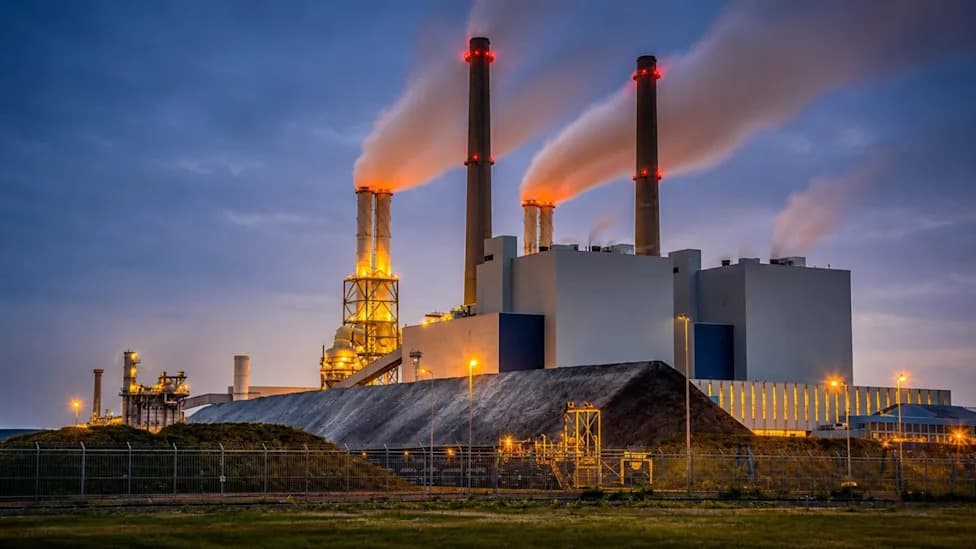
This growth trajectory is likely to continue. Amazon recently announced plans for a major South Texas data-center complex to be powered in part by a large natural-gas-fired power plant that, as proposed, would be permitted to emit up to 33 million metric tonnes of CO2 per year — potentially making it the single largest-emitting power station in the United States.
"This is not a one-off — it could be a foreshadowing of what's to come," said Michael Thomas, founder of Cleanview, which monitors emissions tied to Big Tech data-center projects.
Modeling Results: When Enabled Emissions Outweigh Savings
The NPJ Climate Action study models AI-driven gains across both renewable-energy and fossil-fuel sectors. Its headline finding: if AI delivers any economic advantage to fossil-fuel producers — even marginally — the emissions enabled by those gains can outweigh emissions avoided through efficiency improvements. In a scenario where AI benefits both fossil fuels and renewables equally, global CO2 emissions could rise by roughly 0.47 to 1.8 billion metric tonnes per year.
Holly Alpine, a co-author of the study, told the Wall Street Journal that "on the smaller side it's about the emissions of Mexico annually."
According to the authors, for AI to deliver net global emissions reductions, the renewables sector would need to realize economic and efficiency gains four to five times greater than those achieved by fossil fuels — an outcome the paper deems unlikely under current political and market conditions. The researchers stress that without policy steering, AI could increase the carbon intensity of the global economy and entrench fossil-fuel incumbency — systemic effects that many governance frameworks do not yet capture.
Implications And What Comes Next
The study suggests the systemic impacts of AI on industry structure and fuel economics may far outweigh the direct emissions from the data centers that run AI. That means climate pledges and decarbonization progress could be undermined even if data-center operators improve efficiency. The authors call for targeted policy interventions and governance frameworks to ensure AI accelerates rather than impedes the clean-energy transition.
By Haley Zaremba
Help us improve.