The Knesset has asked Israel's High Court to lift a freeze on five budget transfers approved by the Finance Committee during the election recess, saying Speaker Amir Ohana lawfully authorised the August 4 meeting under a "special cases" provision. Justice Alex Stein temporarily suspended most transfers on August 5, allowed one emergency allocation to proceed, and referred the dispute to a three-justice panel. Petitioners Hiddush and MK Naama Lazimi contend the meeting breached election-recess safeguards; the court will decide both the transfers' fate and the limits of the speaker's authority during recess.
Knesset Asks High Court To Lift Freeze On Five Budget Transfers Approved During Election Recess
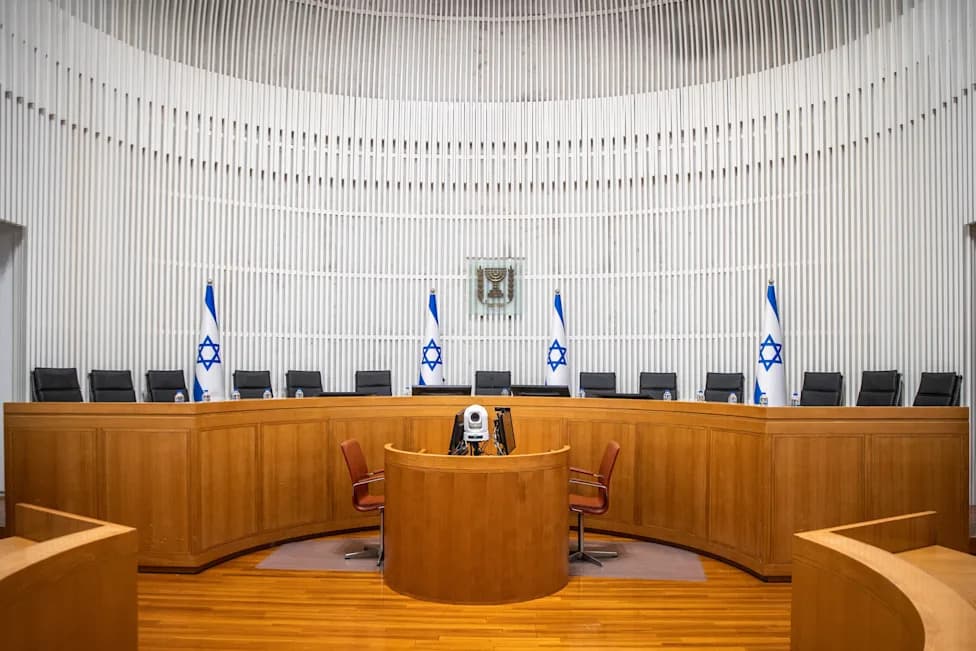
The High Court of Justice in Jerusalem (photo credit: OREN BEN HAKOON/ISRAEL HAYOM/POOL)
The Knesset has asked Israel's High Court of Justice to lift a temporary freeze on five budget transfers that were approved by the Finance Committee during the parliamentary election recess, arguing that Speaker Amir Ohana lawfully authorised the contested August meeting under a "special cases" provision.
Justice Alex Stein temporarily halted nearly all the transfers on August 5, citing apparent procedural problems with how the committee was convened. He allowed one allocation tied to civilian emergency expenses to proceed and referred the broader dispute to a three-justice panel; the temporary order remains in force unless the court lifts or alters it.
What Happened
The dispute stems from committee work carried out during the Knesset's election recess, which began on July 18 and will continue until the next Knesset is sworn in after the October 27 election. The House Committee had authorised the Finance Committee to hold one meeting on budget transfers during the first two weeks of the recess. That meeting took place on July 29, when the committee considered 23 of 33 published requests and approved 22.
Finance Committee chairman MK Hanoch Milwidsky later requested an additional sitting to consider outstanding items. Government ministries identified six requests as urgent; Knesset legal advisers concluded those six could be discussed on grounds of importance and urgency. After the Coordination Committee — the forum that normally requires both coalition and opposition sign-off — declined to approve another meeting following objections from opposition coordinator MK Merav Ben-Ari, Milwidsky asked Speaker Ohana to authorise a supplementary meeting under the speaker's "special cases" power.
Ohana authorised the August 4 meeting and shortened the usual four-day notice period to three days. The Finance Committee met on August 4 and approved all six requests. Opposition lawmakers and the petitioners — the Hiddush religious-freedom organisation and Democratic MK Naama Lazimi — argue the meeting breached special restrictions that apply during an election recess and allowed politically sensitive spending fewer than three months before the October vote.
Knesset's Legal Arguments
Two Routes To Convene During Recess: The Knesset says its rules provide two distinct mechanisms to convene committees during a recess. The routine route requires approval from the Coordination Committee (representing both coalition and opposition). A separate provision permits the speaker to authorise additional meetings in "special cases" at the request of the government, a committee chairman, or one-third of a committee's members. The Knesset argues the speaker's authority under this provision remains available even if the Coordination Committee withholds approval.

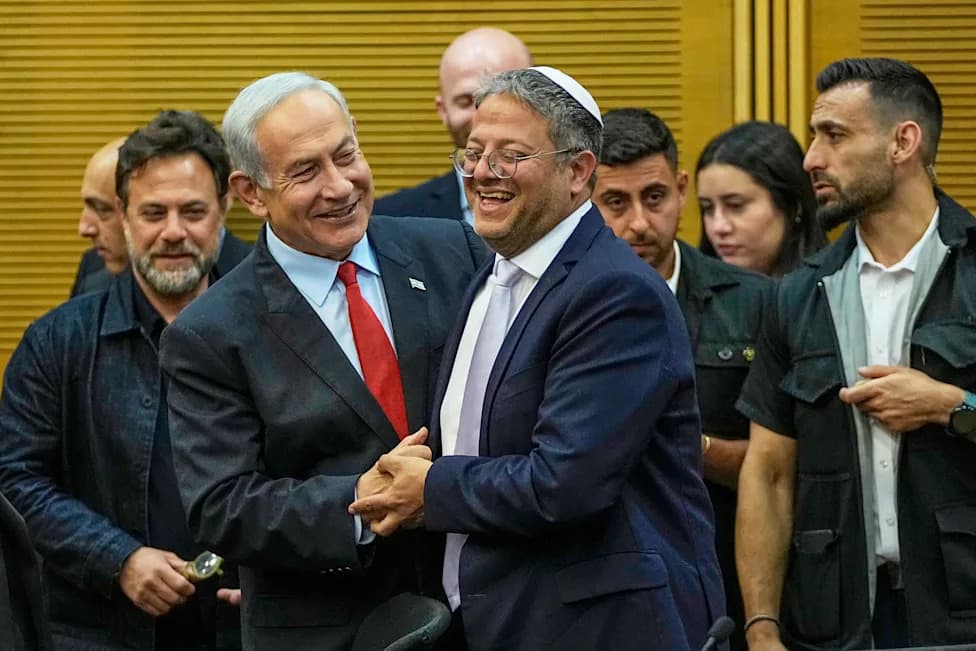
Israeli Knesset Speaker Amir Ohana attends a Likud party conference ahead of the party's primary elections, in the southern city of Ashdod, August 2, 2026. (credit: Liron Moldovan/Flash90)
Procedural And Substantive Defences: The Knesset emphasises that all six requests had completed government approval processes, including review by government legal advisers, before they reached the Finance Committee. It argues complaints about improper government spending should be directed primarily at the government rather than used to invalidate a parliamentary sitting. The Knesset also notes the current government has not formally become a caretaker administration and says constraints developed by courts for caretaker governments should not automatically govern Knesset internal procedures.
Precedent: The response points out that Speaker Ohana previously authorised Finance Committee meetings during the 2022 election recess after the Coordination Committee declined to approve them, including sessions addressing coalition funds.
Petitioners' Case
The petitioners say the August 4 meeting bypassed safeguards designed to prevent the governing coalition from approving politically sensitive spending with limited opposition oversight during an election campaign. They contend the short notice, the use of the "special cases" route after the Coordination Committee refused approval, and the character of some allocations undermine the integrity of the recess rules.
What Was Approved
The contested allocations covered a range of spending and internal budget adjustments, including defence needs, school-year preparations, salaries, supplier payments, summer education programmes, and measures to prevent disruption of rabbinical courts’ computer systems. The requests also included coalition-directed funds for religious and Haredi education and items linked to the National Missions Ministry.
Notable amounts cited by the Knesset include approximately NIS 268 million flagged in an Education Ministry submission, about NIS 125 million for the National Missions Ministry and roughly NIS 78 million for the Religious Services Ministry. Justice Stein allowed one allocation tied to civilian emergency expenses to proceed and froze the remaining five transfers that are now the subject of the petition.
Next Steps and Wider Implications
The High Court will hear arguments before a three-justice panel. The case could clarify how far the Knesset speaker may go in authorising parliamentary business during an election recess, and whether courts should intervene in internal parliamentary scheduling and procedures when those decisions affect public spending ahead of an election.
Outcome Sought: The Knesset asked the court to dismiss the petition and lift the temporary order. The petitioners will seek to demonstrate that the August 4 meeting circumvented safeguards intended to protect opposition oversight during an election period.
Photo note: Speaker Amir Ohana attended a Likud party conference in Ashdod on August 2, 2026.
Help us improve.