Alberta uses three scent-trained dogs—Hilo, Jane and Winnie—under the Conservation Canines program to detect zebra and golden mussel larvae on boats and gear. The dogs complement mandatory provincial inspections by identifying contamination people can easily miss. Early detection is critical because established mussel infestations are costly and difficult to eradicate and can harm ecosystems, infrastructure and recreation.
Meet Alberta’s Sniffer Dogs Helping Stop Invasive Mussels at the Border
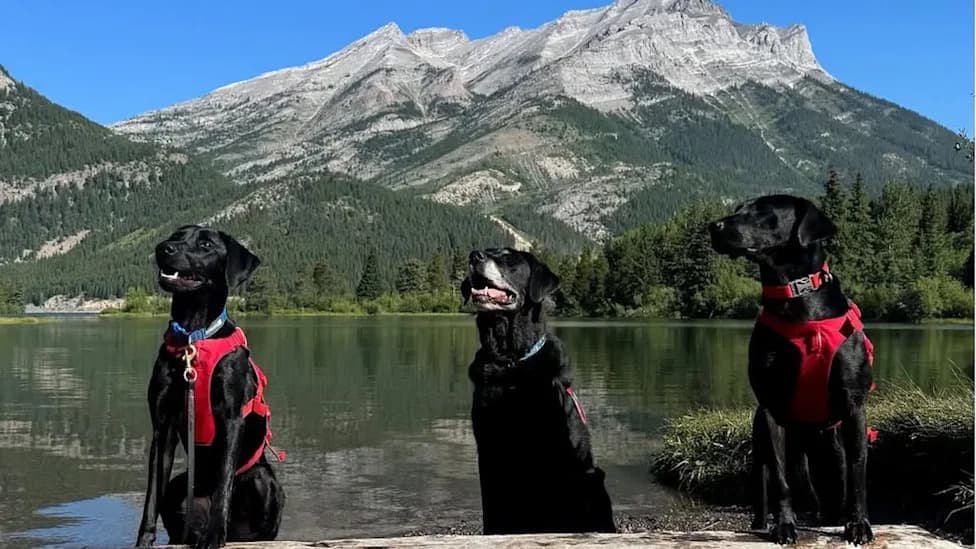
Photo Credit: Facebook
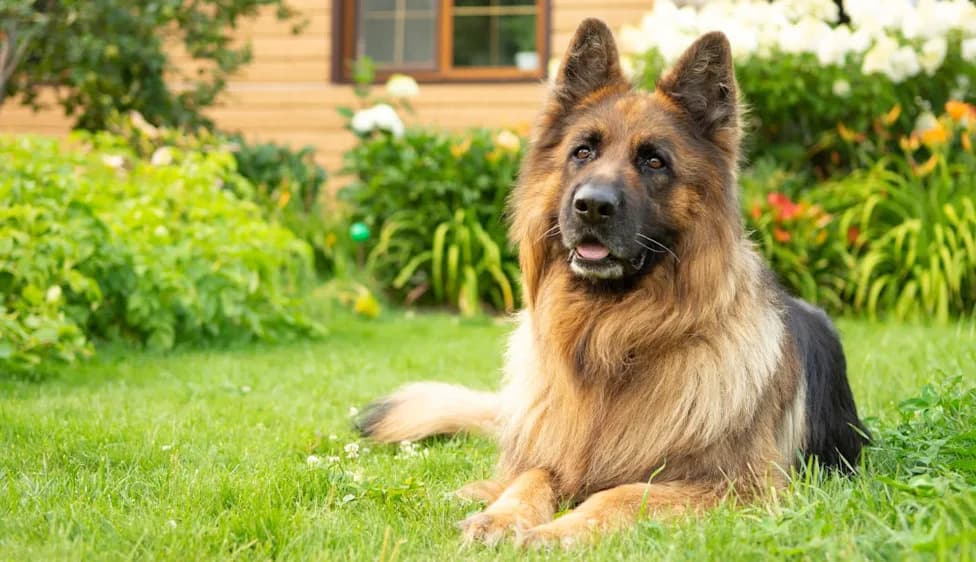
Alberta’s effort to stop invasive mussels from reaching its lakes and rivers relies not only on human inspectors but also on a small canine team. Hilo, Jane and Winnie—two black Labradors and a black Lab mix—work at provincial boat inspection stations as part of Alberta’s Conservation Canines program, using their noses to detect zebra and golden mussel larvae that are hard to spot with the eye or by touch.
How the Dogs Support Inspections
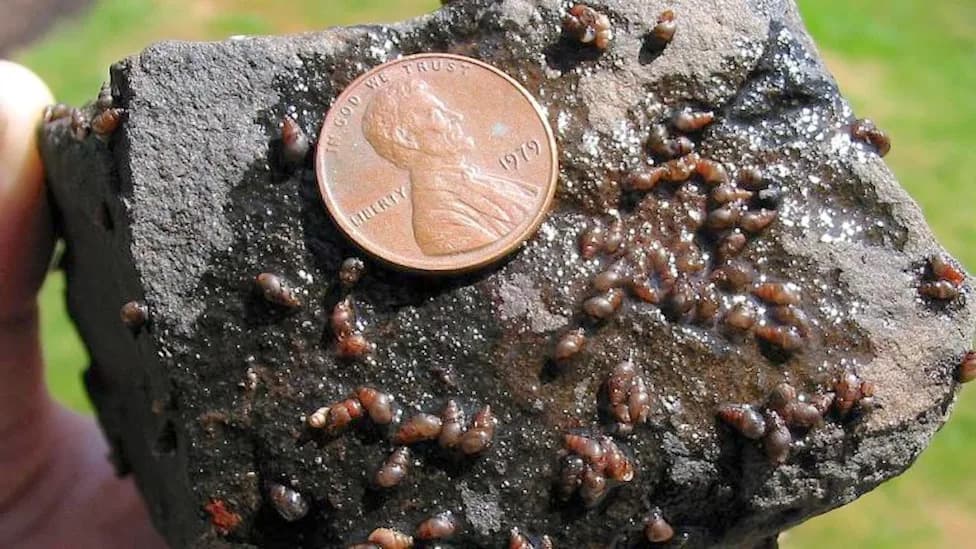
The dogs screen boats, trailers and gear passing into and out of the province, alerting inspectors to possible contamination. Early mussel stages are tiny and often manifest only as a faint sandpaper-like texture on hulls or docks—easy for people to miss, but detectable to scent-trained dogs.
The Inspection Process
Alberta law requires all watercraft to stop at inspection stations when crossing the provincial border. Inspectors visually check and clean boats, trailers and equipment; the canine team provides an extra layer of screening that can catch larval contamination before it reaches a waterway.
Why Early Detection Matters
Preventing invasive mussels is far easier and far less costly than trying to remove them once they establish. When zebra or golden mussels colonize a lake or river, they can spread rapidly, attach to docks, clog pipes and water infrastructure, and disrupt aquatic food webs—creating long-term ecological and economic damage for communities and wildlife.
“The dogs strengthen human inspection efforts by helping teams identify what might be hidden on a boat,” said Cindy Sawchuk, who leads Alberta’s aquatic invasive species operations and the Conservation Canine Program.
By combining mandatory inspections with scent detection, Alberta adds a sensitive, proactive defense against a tiny threat that can cause outsized harm to freshwater systems used for fishing, boating and recreation.
Help us improve.