A private well test in Tiverton, Rhode Island, found PFAS at levels more than 20 times the state safety limit, raising fears the contamination may have persisted for decades. Homeowner William Bowley says he may have consumed the water for up to 23 years and is worried for his family. Residents report delays receiving test results while the state Department of Environmental Management calls the issue a "top priority." Affected households are advised to use verified safe water sources and seek accredited testing and treatment guidance.
‘I Can’t Stop Thinking About It’: Tiverton Residents Fear Decades-Long PFAS Contamination After Private Well Test

Photo Credit: iStock
A recent test of a private well in Tiverton, Rhode Island, has raised alarm about a potential long-running contamination problem that could affect other private wells in the area. The Providence Journal reported that one homeowner’s well contained PFAS levels more than 20 times Rhode Island’s legal safety limit, prompting fresh concerns about health risks, property impacts and how long the contamination may have gone undetected.
What Was Found: PFAS — a class of synthetic chemicals often called “forever chemicals” because they degrade very slowly — were detected at concentrations exceeding the state’s safety standard by more than 20-fold in a single well. The discovery has prompted residents to question whether neighboring wells and groundwater have been similarly affected.
Local Impact: William Bowley, who lives in eastern Tiverton, told the Journal he may have been drinking contaminated water for as long as 23 years. Now 70, Bowley says his primary concern is for his children and grandchildren. “It’s the not knowing that’s the biggest problem,” he told the paper.
“It’s the not knowing that’s the biggest problem.” — William Bowley
Health Concerns: Public health experts link PFAS exposure to elevated risks of certain cancers and to immune, thyroid, liver and developmental problems. Because private wells are not always subject to the routine monitoring and regulatory oversight that cover public water systems, contamination can remain undiscovered for years.
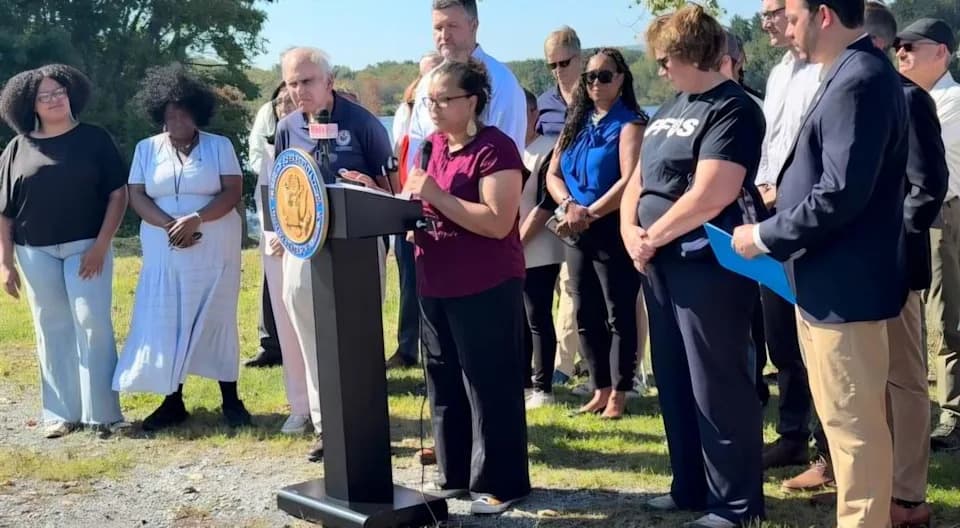
Community Response and Agency Action: Some Tiverton residents say they have experienced delays in receiving test results and in getting clear guidance from state officials. A spokeswoman for the Rhode Island Department of Environmental Management (DEM), Kim Keough, told the Journal by email that addressing the contamination is "a top priority." Still, residents report frustration over timing and communication.
Practical Steps for Affected Households: Short-term precautions include switching to bottled water or another verified safe source for drinking and cooking. For longer-term solutions, certified point-of-use or point-of-entry treatments can reduce PFAS concentrations — common options include granular activated carbon (GAC) filters, ion-exchange systems and reverse osmosis units — but homeowners should consult state health and environmental agencies and certified labs before choosing a system. Testing by an accredited laboratory is essential to confirm contamination levels and to verify treatment effectiveness.
Wider Questions: Beyond immediate health precautions, residents also face concerns about property values, cleanup costs and how far PFAS contamination may have spread in local groundwater. Addressing these issues typically requires coordinated testing, timely public communication, and clear guidance and financial support options from state and local agencies.
If you rely on a private well and are worried about PFAS, contact the Rhode Island Department of Health and DEM for testing guidance, consider having your water tested by an accredited laboratory, and follow agency advice about interim water supplies and treatment options.
Help us improve.