Kemi Badenoch outlines Conservative proposals to end automatic social‑housing entitlement for non‑UK nationals and to tighten welfare eligibility. The plan would reassign tenancies to British households on council waiting lists and aims to reduce welfare spending estimated to rise by about £52bn by 2030. Proposed measures include stricter disability reassessments, restoring face‑to‑face assessments, removing certain welfare entitlements for non‑UK citizens (except those with EU settled status), and reintroducing the two‑child cap. Badenoch invites cross‑party talks but says Labour MPs oppose cuts.
Kemi Badenoch: Conservatives Propose Ending Social-Housing Entitlement For Non-UK Nationals — Why She Calls Labour the 'Welfare Party'

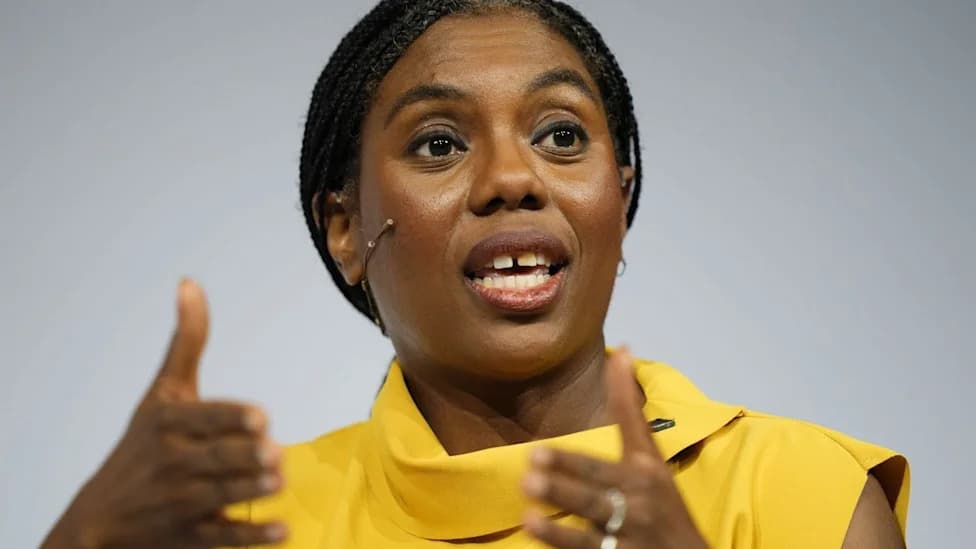
I have offered to work with the Prime Minister to fix the system. He still hasn't replied to my letter. So, I make the offer again - James Manning/PA Wire
Last week the Conservative Party set out a plan to end automatic entitlement to social housing for non-UK nationals. The announcement prompted heated responses from opponents who warned of heavy-handed enforcement and families being forced from their homes. The policy, as presented, is simpler: tenancies held by non-UK nationals would be reassigned to the British families at the top of council waiting lists.
What the Proposal Would Do
First signalled at the Conservative Party conference in 2025, the proposal would transfer council tenancies vacated by non-citizens to the next eligible UK-born households on waiting lists, moving those families from temporary Local Housing Allowance support into secure, affordable council homes. Proponents argue this is a commonsense reform that saves taxpayers money and reduces a perceived pull factor for migration.
Arguments and Rebuttals
Labour and several charities characterised the change as unfair and raised concerns about foreign‑born public‑sector workers losing council homes. The Conservative response is that the policy is not anti-immigration — the party says it welcomes migrants who contribute — but that people living in the UK should generally support themselves rather than rely on subsidised social housing, particularly while more than 1.3 million UK‑born households remain on council waiting lists.
“Every meeting I have [with Labour MPs] is 'who can we tax in order to pay benefits to others?'” — Pat McFadden, cited by Kemi Badenoch
Wider Welfare Concerns
The article highlights Government forecasts that an additional 2.2 million people could begin receiving sickness benefits between the last general election and 2030. In cash terms, spending on welfare for working‑age people and children is projected to rise by about £52bn over the same period — roughly an extra £750 per person per year — and, at current rates, welfare expenditure is described as exceeding receipts from Income Tax.
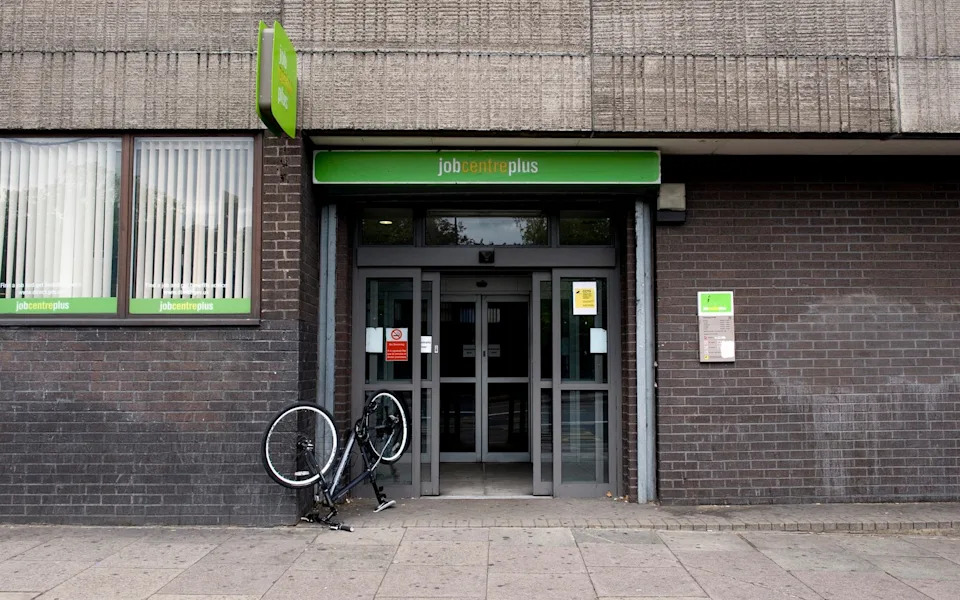
The reality of Britain's spiralling welfare dependency is staggering - Christopher Pledger
The piece warns that rising welfare dependency can have social and economic consequences: unused human potential, pressure on workers, and growing resentment between contributors and long‑term benefit recipients. It criticises vague or noncommittal approaches to welfare reform as poor preparation for government.
Specific Conservative Proposals
The leader sets out a package of measures intended to reduce the welfare bill and tighten eligibility:
- End eligibility for benefits in cases of low‑level mental‑health conditions such as mild anxiety (as described in the proposal).
- Restore face‑to‑face medical assessments for disability claims.
- Reassess all existing disability benefit claimants against new criteria within 12 months.
- Remove entitlement to certain welfare benefits for non‑UK citizens (except those with EU settled status) and apply the same rule to social housing.
- Reintroduce the two‑child benefit cap so claimants face similar family‑planning incentives as taxpayers.
The piece acknowledges these measures will be controversial and may provoke strong criticism, but argues they are necessary to focus support on those most in need and to create stronger incentives to work.
Cross‑Party Offer
The leader says she has offered to work with Andy Burnham to reform disability benefits and reduce the welfare bill, and that Burnham has not replied. She contends that meaningful change will require cross‑party backing and that Labour MPs have resisted welfare cuts.
Kemi Badenoch is leader of the Conservative Party.
Help us improve.