The article warns that three converging policies—anti‑vaccine rhetoric and weakened food‑safety enforcement, mass deportations that erode critical health and food‑processing workforces, and roughly $1 trillion in Medicaid cuts delayed until 2027—could destabilize the U.S. health system. These changes may remove an estimated 10–15 million people from Medicaid, trigger hospital and nursing‑home closures, worsen staffing shortages, and raise emergency‑care burdens. Because many cuts are timed to take effect after elections, their human costs may appear only after voters return to the polls.
Delayed Medicaid Cuts, Deportations and Anti‑Vaccine Rhetoric Could Push U.S. Health Care Into Crisis — After The Vote
The Republicans Are Going to Kill People—but Not Until After They Vote
One of Ronald Reagan's most quoted lines about turmoil inside his administration was, "Sometimes the right hand doesn't know what the far‑right hand is doing." For today's White House, a more accurate variation might be: "Sometimes the far‑right hand doesn't know what the radical wing is doing."
In 2017 I wrote about "American kakistocracy"—rule by the worst or most inept—arguing then that poor governance can have wide and damaging consequences. That same warning feels apt now as several policy choices converge to threaten the U.S. health system beginning next year.
Three Policy Forces Converging
Three separate but related developments threaten to strain an already fragile health ecosystem: the spread of anti‑vaccine rhetoric and weakened food‑safety enforcement; mass deportations that hollow out critical workforces; and deeply consequential Medicaid cuts that have been delayed until after upcoming elections.
1. Anti‑Vaccine and Food‑Safety Backlash
Anti‑vaccine narratives, amplified in some corners of the federal government, have coincided with a resurgence of preventable illnesses. Measles outbreaks, newly reported tetanus cases, and intensified attacks on flu and COVID‑19 vaccination campaigns raise direct public‑health costs and increase hospitalizations. At the same time, rollbacks or underfunding of food‑safety programs have been associated with more frequent outbreaks of norovirus, cyclospora, E. coli and listeria—all of which add pressure to emergency rooms and inpatient services.
2. Workforce Gaps From Deportations
U.S. food processing and health‑care operations depend heavily on immigrant labor. Estimates suggest hundreds of thousands of undocumented workers have staffed meat processing and other essential facilities; some estimates place undocumented workers in those plants at up to 200,000. Separately, an estimated 100,000+ Haitian nationals work in U.S. health care in roles ranging from nursing assistants and home‑health aides to licensed nurses and hospital support staff. Large‑scale deportations and the loss of Temporary Protected Status for groups like Haitians would remove many trained, trusted workers from nursing homes, home‑care settings and hospitals, worsening staffing shortages and care continuity just as patient demand rises.
3. Major Medicaid Cuts Delayed Until After The Election
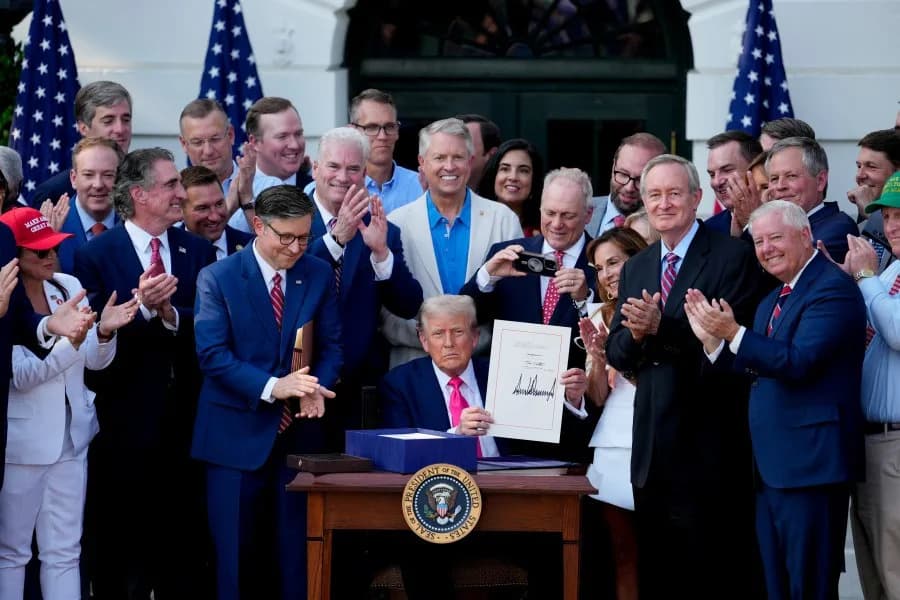
In July 2025, Congress enacted a sweeping bill—referred to in public debate by critics as "One Big Beautiful Bill"—that includes roughly $1 trillion in cuts to Medicaid over a decade. Crucially, many of the most punitive provisions (including onerous work and paperwork requirements intended to reduce caseloads) were timed to take effect in 2027, after upcoming elections. Analysts estimate these changes could remove between 10 and 15 million people from Medicaid rolls; when combined with reductions in Affordable Care Act subsidies, millions more could face loss of coverage or steep premium increases.
How These Changes Ripple Through The System
Medicaid does not only pay individual recipients' bills; it provides critical revenue to hospitals, nursing homes and home‑health agencies. The U.S. health system is an interdependent mix of public and private actors—if one major funding stream collapses, the consequences spread.
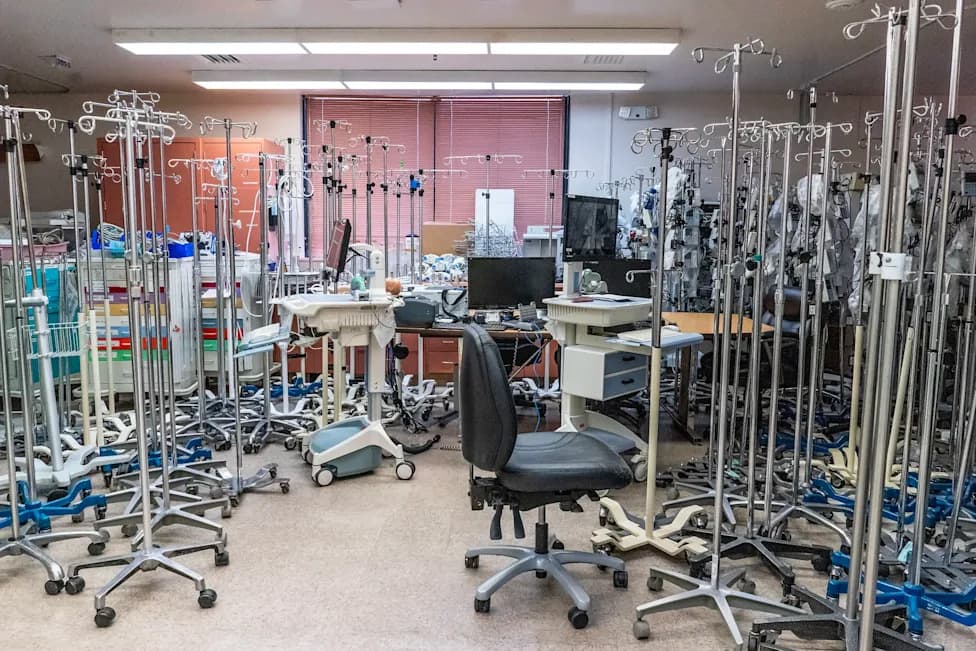
Hospitals. Many hospitals—urban and rural—are already financially strained. A sharp drop in Medicaid revenue would force some facilities to close, increase emergency‑department volumes and intensify staffing pressures. Because federal law requires hospitals to stabilize emergency patients regardless of ability to pay, uninsured patients will increasingly seek care in ERs, raising uncompensated care, crowding and risk of worse outcomes.
Nursing Homes and Long‑Term Care. Nearly two‑thirds of long‑term care residents rely on Medicaid to cover costs. Large cuts could force facilities to close or cut staff and wages, degrading care quality. Residents who have spent down assets to qualify for Medicaid would face limited alternatives, and families could be compelled into caregiving roles just as home‑health supports diminish.
Home Health and Community Care. Home‑health programs and subsidies for family caregivers are also at risk, compounding pressures when trained aides—many of them immigrants—are deported or otherwise driven out of the workforce.
Systemic Effects. Reduced staffing, facility closures and higher uncompensated care would push costs onto paying patients and insurers, exacerbate burnout among clinicians, and likely increase preventable morbidity and mortality. Lawmakers' choice to delay these cuts until after voters experience their effects is a politically significant timing decision that will shape public perception and real human consequences.
Conclusion
The combination of rising vaccine‑preventable disease, food‑safety backsliding, workforce depletion from deportations and delayed but substantial Medicaid retrenchment creates a plausible scenario of cascading failures across the U.S. health system. Whether framed as kakistocracy or political expediency, these policy choices risk serious harm—especially to the most vulnerable—once they take effect.
Help us improve.