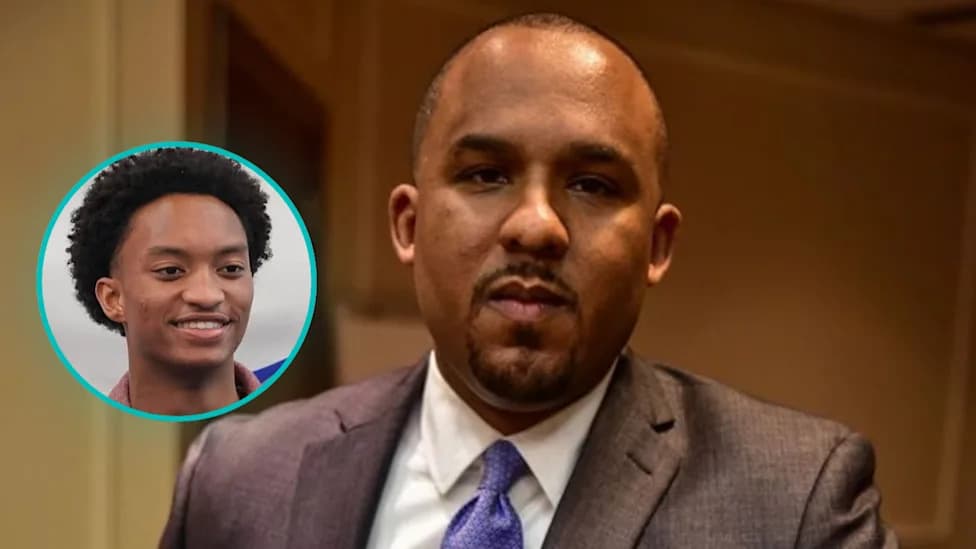
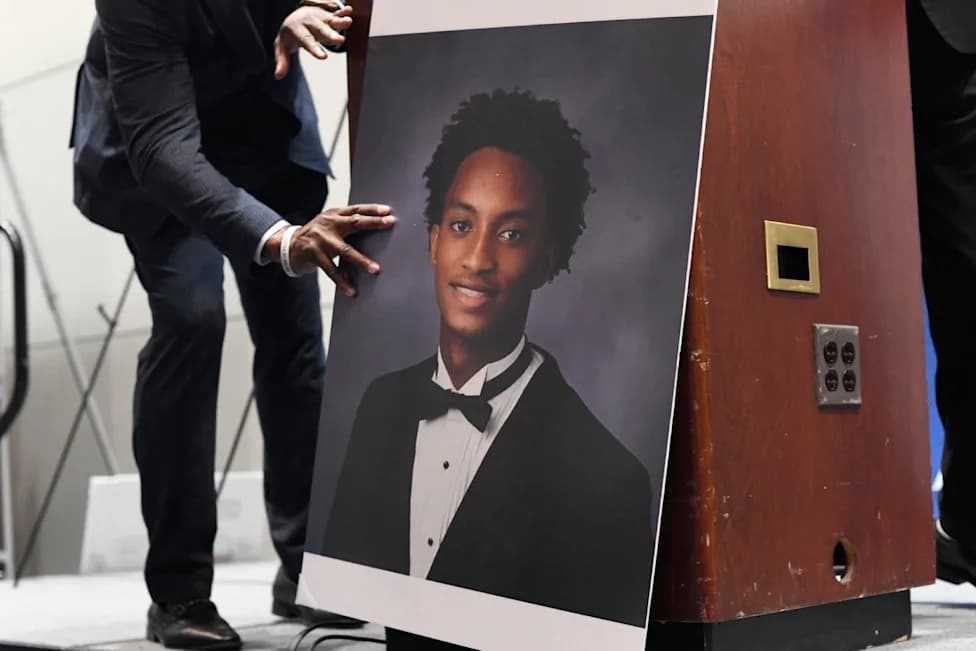
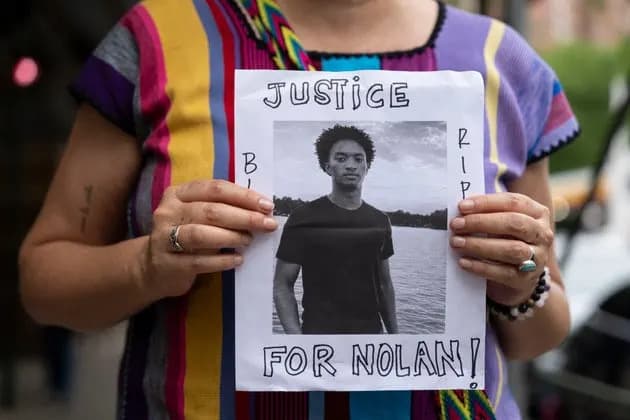
Jonathan Conyers connects Emmett Till’s 1955 public grieving to a contemporary pattern of unexplained Black deaths in Mississippi. He highlights recent cases—Christine Wonsley’s son, Tasia Fortune, Demartravion “Trey” Reed, one-year-old Kohen Wiley and Nolan Wells—and documents how institutions often discredit grieving families. Conyers calls for a Department of Justice investigation into Mississippi coroners, law enforcement and government practices and demands accountability rather than dismissals.
When the Water Gave Him Back: A Letter to White America — Mississippi’s Pattern of Unanswered Deaths
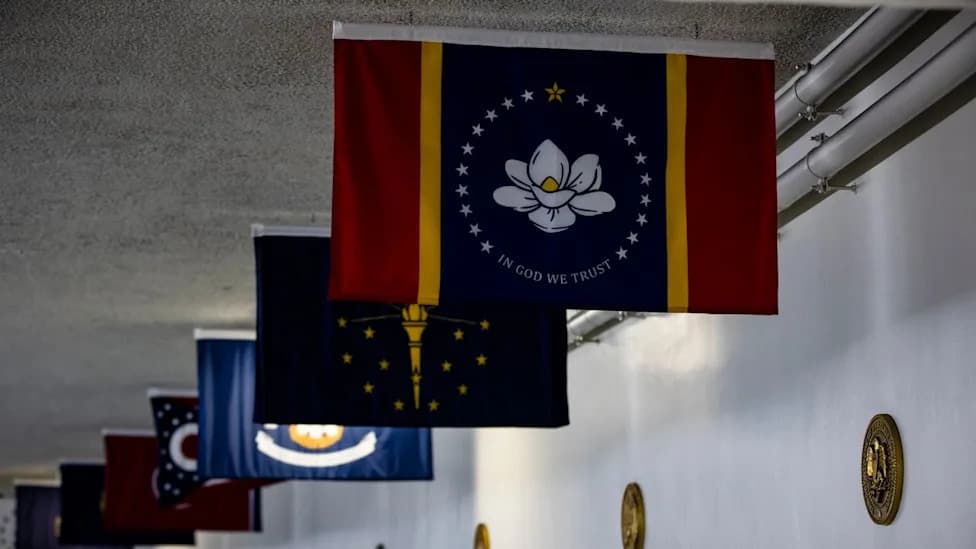
WASHINGTON, DC - DECEMBER 20: The new Mississippi state flag hangs in the Senate Subway in the US Capitol building on December 20, 2020 in Washington, DC. (Photo by Samuel Corum/Getty Images)
You cannot know what it is to bury a child and be told to tone down your grief.
You cannot know what it is to ask a simple question—what happened to my son—and watch an entire system mobilize against you instead of for you. That is where Christine Wonsley has stood since the Fourth of July: not seeking pity, but demanding answers. Time and again, institutions have responded by requiring her to prove she deserves the truth.
This is not new. It is one of this country’s oldest stories, worn with a new date.
In 1955, a Mississippi mother opened her son's casket so the world could not look away from what had been done to him. Mamie Till did not receive simple compassion; she was put on trial for her grief. The nation labeled her pain as too loud, too political, too inconvenient—and focused on reasons to doubt her instead of reasons to help. Seven decades later, in the same state, another mother is asking the same question into the same silence, and institutions are reaching for the same worn tools: cast doubt, create distraction, and strip away whatever remains so the questions stop.
They filed action against Christine Wonsley’s nursing license the same week she was choosing a burial suit. That timing is not happenstance; it is a tactic with decades of precedent.
Names, Patterns, And Unanswered Questions
Mississippi has the nation’s highest recorded number of lynchings—hundreds of Black bodies displayed as public warnings. That history is not merely a relic; it remains a pattern that echoes in recent tragedies.
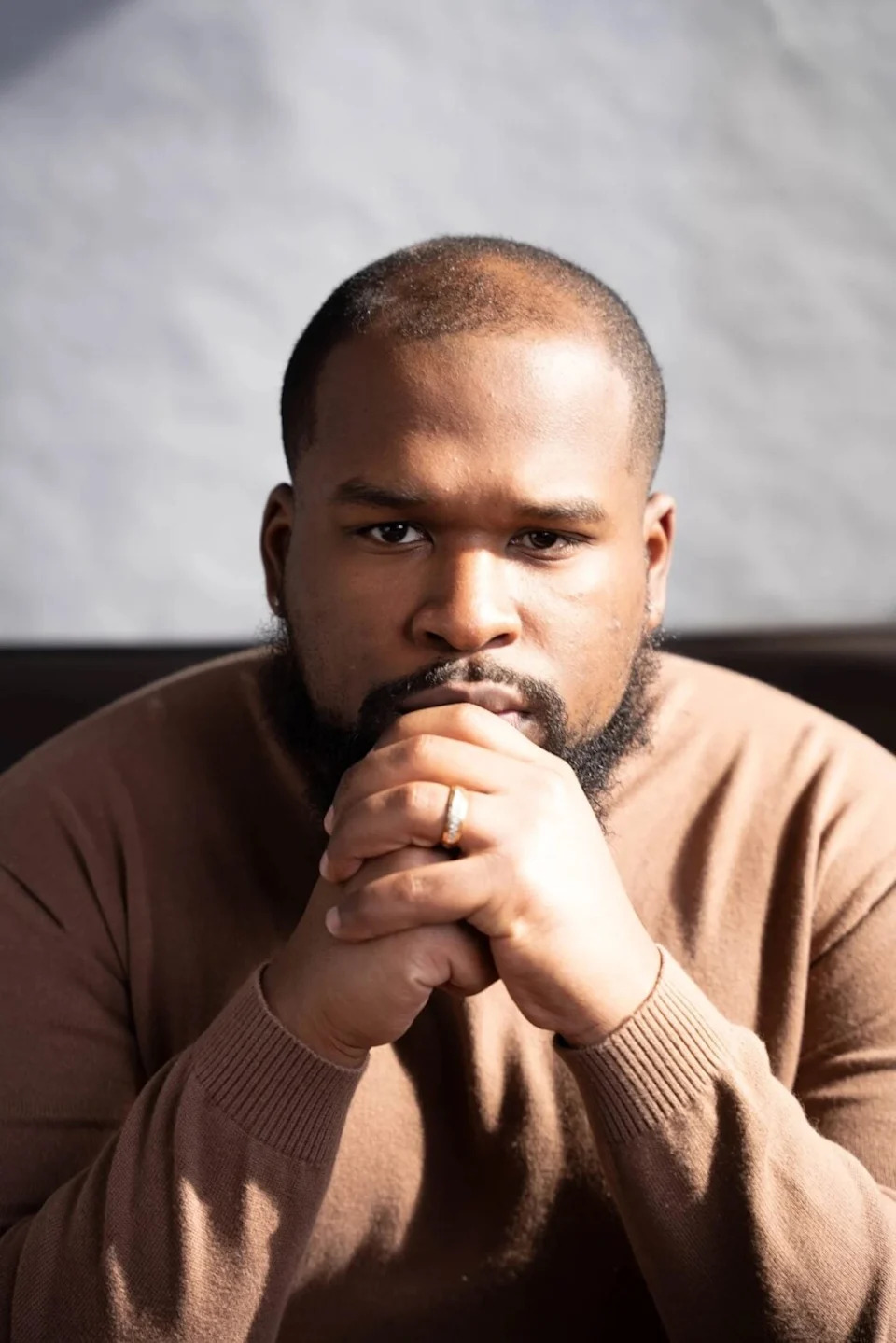
Jonathan Conyers, Jonathan Conyers Mississippi, Nolan Wells, Christine Wonsley, Tasia Fortune, Kohen Wiley, Mississippi
Less than two weeks ago, 29-year-old Tasia Fortune, a mother of four, was found hanging from a tree behind an abandoned house in Jackson; her family said they do not believe she took her own life. Not long before, 21-year-old Demartravion “Trey” Reed was found hanging on his campus at Delta State University, and many questions about his death were dismissed before they were fully asked.
Between those cases, one-year-old Kohen Wiley was shot and killed by police in a Walmart parking lot after officers responded to a report of suspected stolen diapers; the initial autopsy and the public narrative around the incident raised troubling questions. And Nolan Wells, 18, went missing over a holiday weekend and was later found dead; authorities have not yet provided a definitive cause.
Why This Demands More Than Headlines
How many names must accumulate before officials treat this as a pattern rather than isolated incidents? This is no longer a request. It is a demand. The Department of Justice should be in Mississippi, pulling the thread on each of these deaths. A state does not amass this many unanswered cases without systemic failures in coroners’ offices, law enforcement, and other institutions that merit federal oversight.
Ask the obvious questions: If someone had his phone, why were family members called to ask if they had heard from him? If a friend was present, why does the story keep shifting? If nothing is being concealed, why did it take lawyers, threats, and spoliation letters before fuller information emerged? A mother is asking why an independent review could not even resolve what happened to her son's throat, and every time she asks, her insistence is labeled harassment rather than the relentless love it is.
And yes: there will always be a talking head eager to be first rather than right. The more important story is the machine behind that voice—the institutions that move slowly when answering families and quickly when discrediting those who seek truth. Truth arrives slowly when it is owed to Black families and fast when it is demanded of them.
Christine Wonsley does not want sympathy; she wants accountability and transparency in a state that has long owed answers to Black families.
Investigate the state. Investigate the officials and systems that allow these tragedies to recur while labeling every case an anomaly. Give each name the weight it deserves—because no family should be forced to piece together answers on their own.
Jonathan Conyers is the author of the memoir I Wasn't Supposed to Be Here. He is a respiratory therapist, writer, producer, business owner and investor. Through his storytelling and work, Conyers amplifies underrepresented voices and seeks to create impact across industries.
Help us improve.