Records show a Johnson County deputy queried Flock Safety data covering 83,345 ALPR cameras in May 2025 while seeking a woman whose partner reported an alleged self-induced abortion. The query was logged as "had an abortion, search for female," though the deputy later said he acted out of welfare concerns. A medical examiner later determined the material seized was a blood clot, not fetal tissue, and no abortion charges were filed against the woman. The episode has renewed debate over warrantless, cross-jurisdictional access to massive license-plate camera networks.
Why a Texas Deputy Queried 83,345 Flock Cameras After an Alleged Abortion: Records, Timeline and What It Means

Wikimedia Commons, Snopes Illustration.
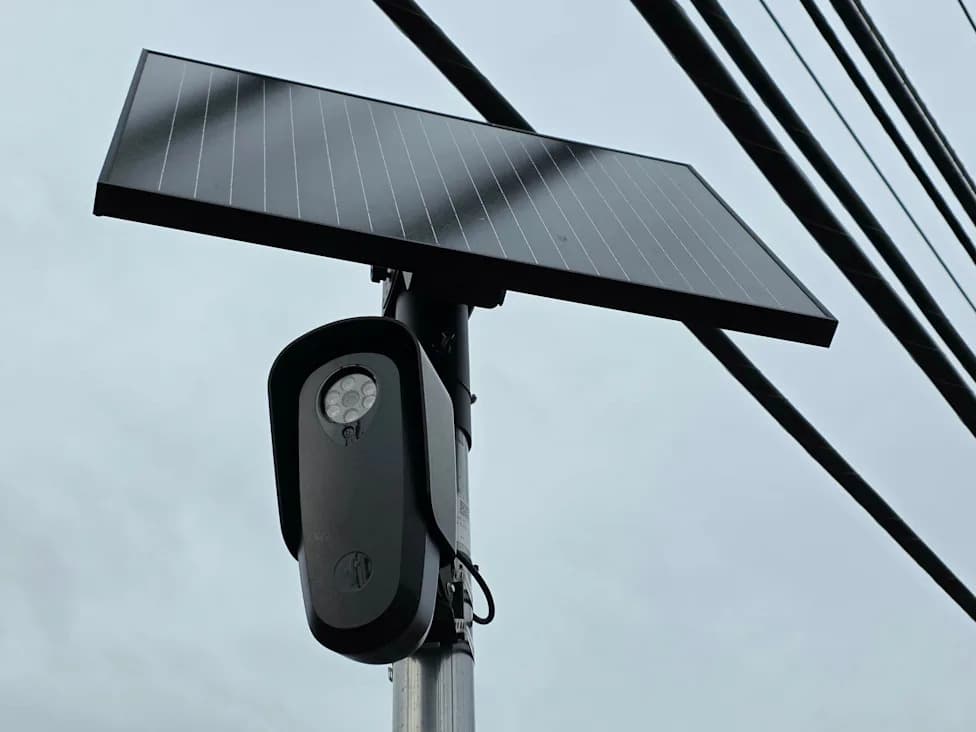
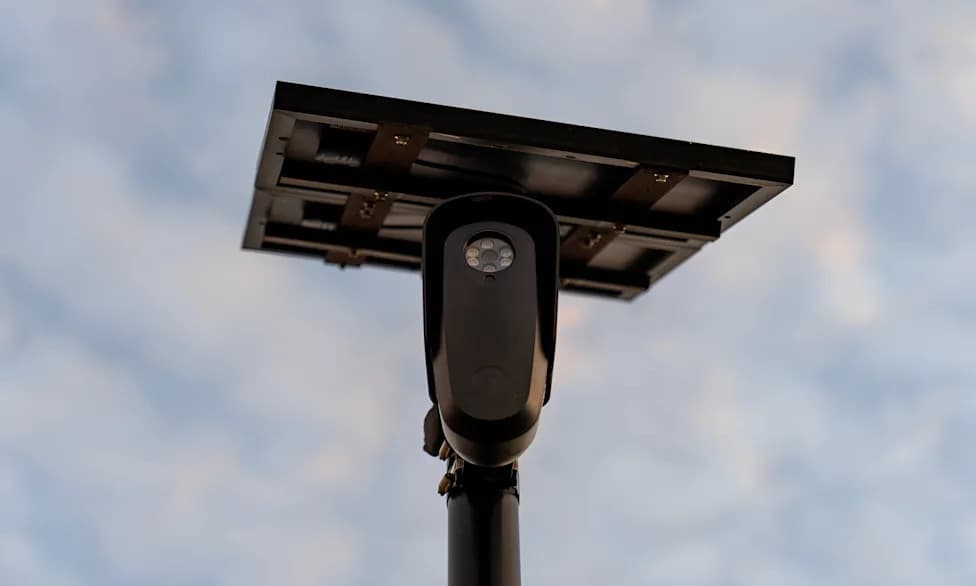
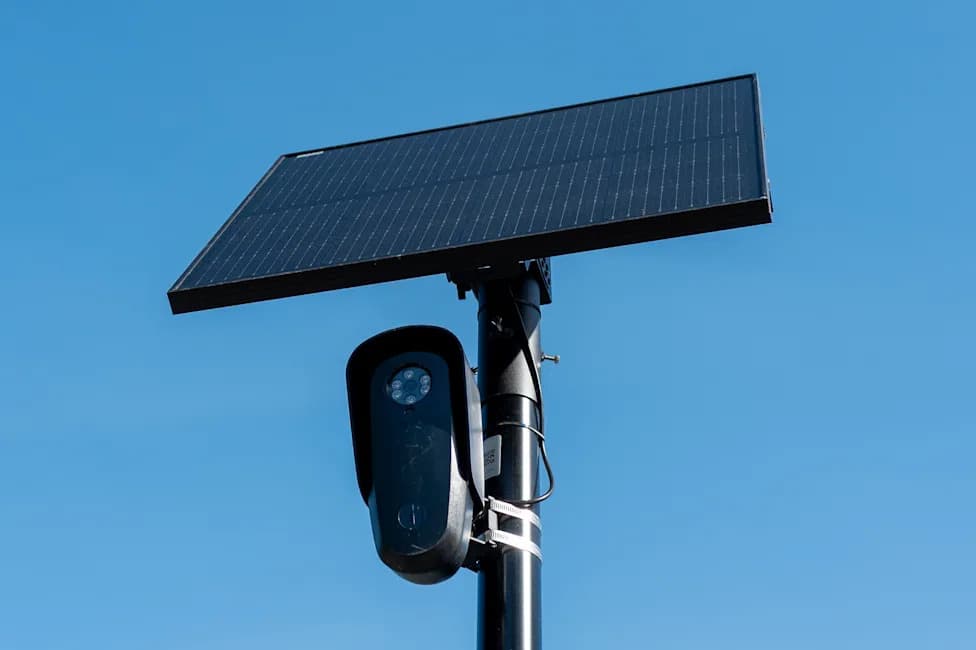
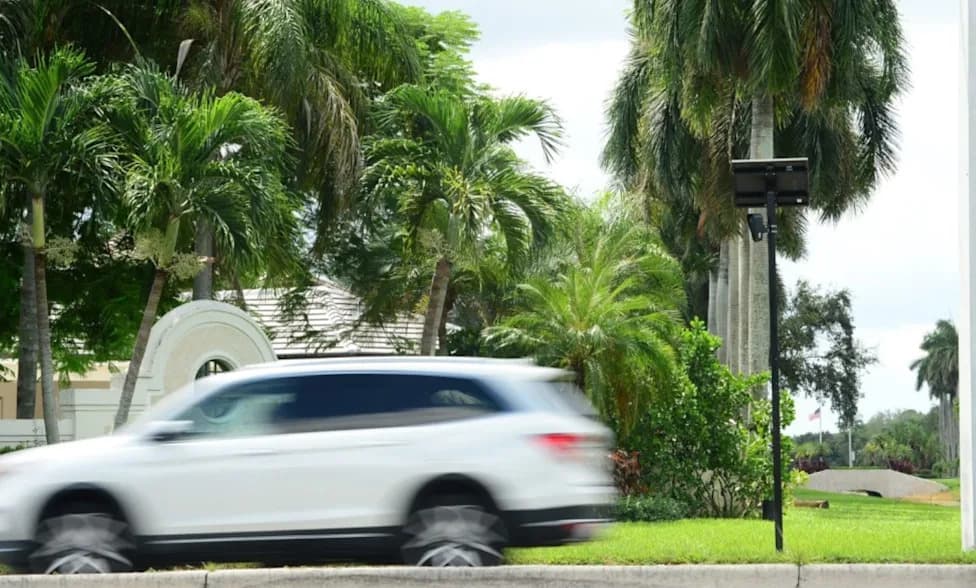
Public records show that in May 2025 a Johnson County, Texas, sheriff's deputy queried a large pool of automated license-plate reader (ALPR) cameras operated by Flock Safety while trying to locate a woman whose partner had reported she’d performed a self-administered abortion. The search log indicates the query covered 6,809 camera networks totaling 83,345 cameras between April 9 and May 9, 2025.
What the records show
Documents obtained via MuckRock, internal sheriff's-office reports and news reporting reconstruct the timeline and the officer's stated reasons. The search was logged under Case #2500002320 with the reason entered as: "had an abortion, search for female." An internal incident report later signed by the deputy identified as "J. Smith" says he used a TransUnion Locator (TLO) to find the vehicle description and license plate, then queried Flock to determine where the woman and her children might be after deputies had trouble locating them.
Timeline
- April 23, 2025: The woman left her home after alleging an assault by her partner. The partner told police he had found packaging consistent with an abortion pill and material he believed was an aborted fetus, which he stored in a freezer.
- May 8–9, 2025: After consulting a lawyer, the partner called the Johnson County Sheriff's Office on May 9 to report an "abortion incident involving his girlfriend." Deputies cordoned the home as a potential crime scene, photographed items, collected the material and opened a "death investigation of a non-viable fetus." The same day, the deputy submitted the Flock query.
- May 14, 2025: The woman came to the sheriff's office to report the alleged assault; an aggravated-assault case was opened against her partner.
- June 11, 2025: A medical examiner determined the material seized was a blood clot, not fetal tissue; the lead detective recommended the death investigation be "cleared by exception."
Official explanations and inconsistencies
The deputy who ran the Flock query later said the search was motivated by welfare concerns: officers were trying to locate the woman and her children because "multiple different locations" had been given and initial attempts to contact her failed. Johnson County Sheriff Adam King told reporters the family feared the woman might "bleed to death," so investigators sought to find and get her medical care.
However, contemporaneous records show the case was categorized as a death investigation at the time of the search and the Flock log explicitly linked the query to an abortion-related reason. Flock Safety described the search as a missing-person or domestic-welfare check in statements to reporters. Reviewers found no formal missing-person report in the records released.

Legal and privacy context
Under Texas law, anti-abortion penalties rarely apply to the person receiving or self-inducing an abortion; deputies were told by the district attorney's office that the state "could not statutorily charge the abortion or miscarriage of the non-viable fetus." Still, the episode underscores broader concerns about how ALPR networks are queried. Critics warn that broad, warrantless searches across massive camera networks enable retrospective geolocation and cross-jurisdictional tracking of civilians.
Flock's network and policy changes
Flock Safety operates a large nationwide ALPR network sold to local agencies. Crowdsourced maps estimated more than 100,000 Flock cameras visible in the U.S. at mid-2026. Flock has acknowledged the misuse risk and in August 2026 announced recommended policy changes, including shortening default data-retention from 30 to seven days. The company has also issued varying public statements about whether queries were welfare checks and whether it shares data with federal agencies; some federal pilots were later paused.
Why this matters
This case illustrates how a single officer's query into a sprawling camera network can intersect with questions of reproductive privacy, domestic-violence response and police transparency. Many details only became public after records requests and investigative reporting revealed the search log and internal incident reports. Civil liberties groups and some lawmakers have called for stronger guardrails, transparency and limits on warrantless, cross-jurisdictional queries of ALPR systems.
Outcome
No abortion-related charges were filed against the woman; the death investigation was cleared after the medical examiner ruled the seized material a blood clot. The partner faces charges: at the time records were reviewed, he was awaiting trial on aggravated-assault and family-violence-assault counts.
Sources
Key sources for this account include internal Johnson County incident reports, a Flock search log obtained via MuckRock, reporting by 404 Media and others, commentary from the Electronic Frontier Foundation and academic and nonprofit research on ALPR deployment and perinatal death investigations.
Help us improve.