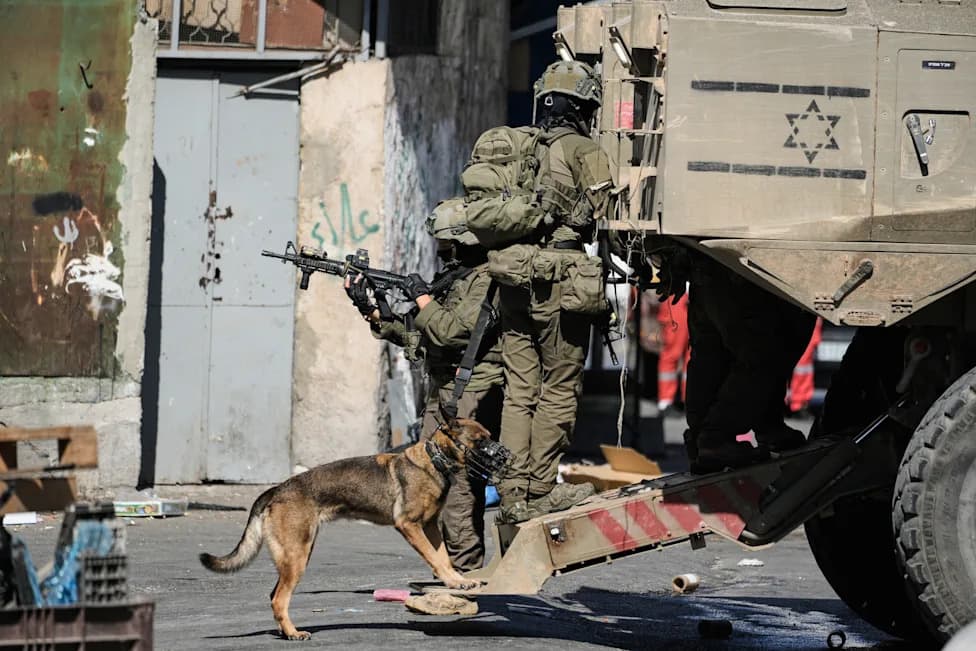
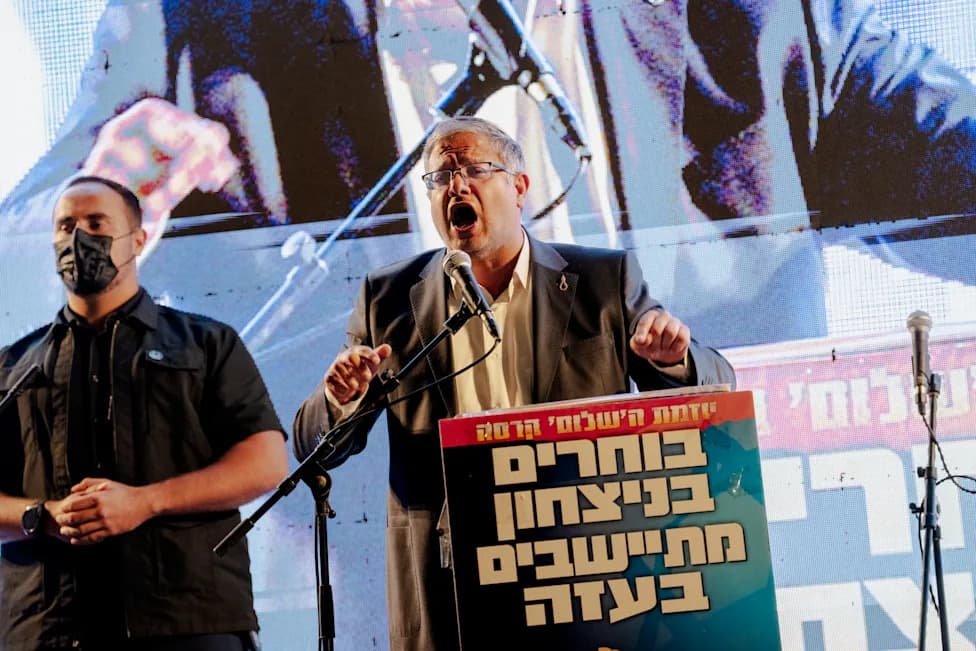
This article argues that portraying Israel as an enemy of Christianity is an oversimplification that obscures both reality and nuance. It cites a Palestinian mayor's remark that "there are good soldiers and bad soldiers," polling that shows many Britons and British Christians now accept claims of "genocide," and ACLED data indicating a sharp rise in settler violence in 2026. The piece notes that Israel provides comparatively strong legal protections for religious minorities and warns against demonizing a whole nation for the actions of extremists while cautioning about possible foreign influence in protest movements.
Israel Is Not An Enemy Of Christianity — Why Demonizing a Democracy Is Dangerous
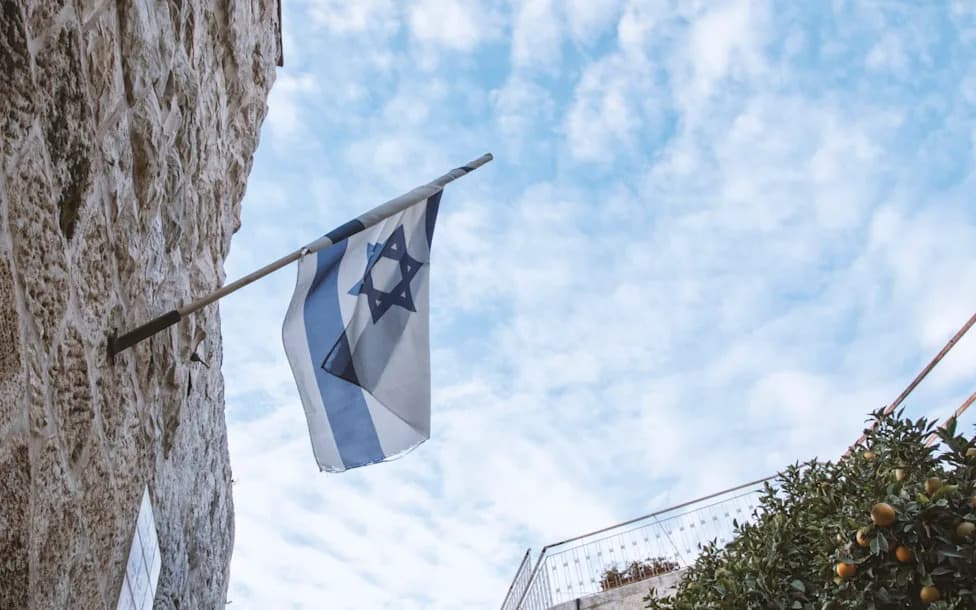
Israel is treated differently to other democracies - Jennie Milne/iStockphoto
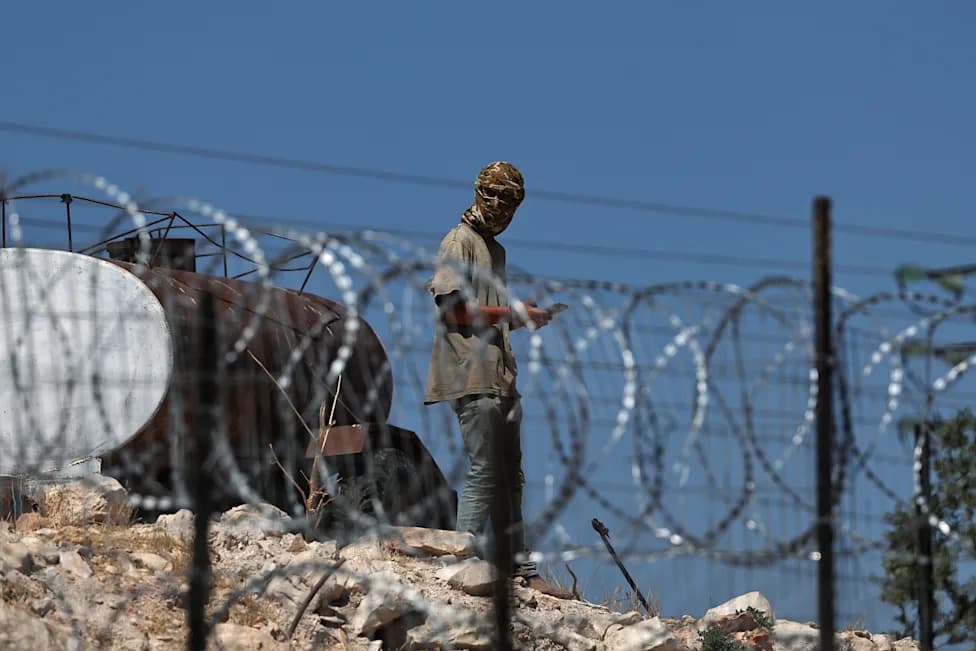
Consider the judgment of Abdul Azim Wadi, mayor of Qusra, a Palestinian village between Ramallah and Nablus, where reports say Jewish extremists besieged an Arab family for several days. As troops worked to contain the situation, Mayor Wadi told The Telegraph last week:
“There are good soldiers sometimes, and there are bad ones.”
That simple distinction matters. For many observers in the West who have turned the Palestinian cause into an ideological emblem, any suggestion that some Israeli soldiers can be "good" is often rejected outright. Moral complexity is replaced by absolutes, and nuance is lost.
Polarised Public Opinion
Public polling has shifted significantly. One poll found that roughly 50% of Britons—and 67% of Labour voters—accept the claim that Israel committed "genocide" in Gaza. A December 2024 survey reported that about 47% of British Christians agreed with the same allegation. The same research also surfaced worrying attitudes: around one-quarter of respondents said it was "probably true" that Jews "don't care what happens to anyone but their own kind," roughly one-third thought Jews speak "too much about" the Holocaust, and one in six said Jews were "responsible for most of the world's wars." These responses cross into anti-Semitic territory and provide fertile ground for misleading narratives.
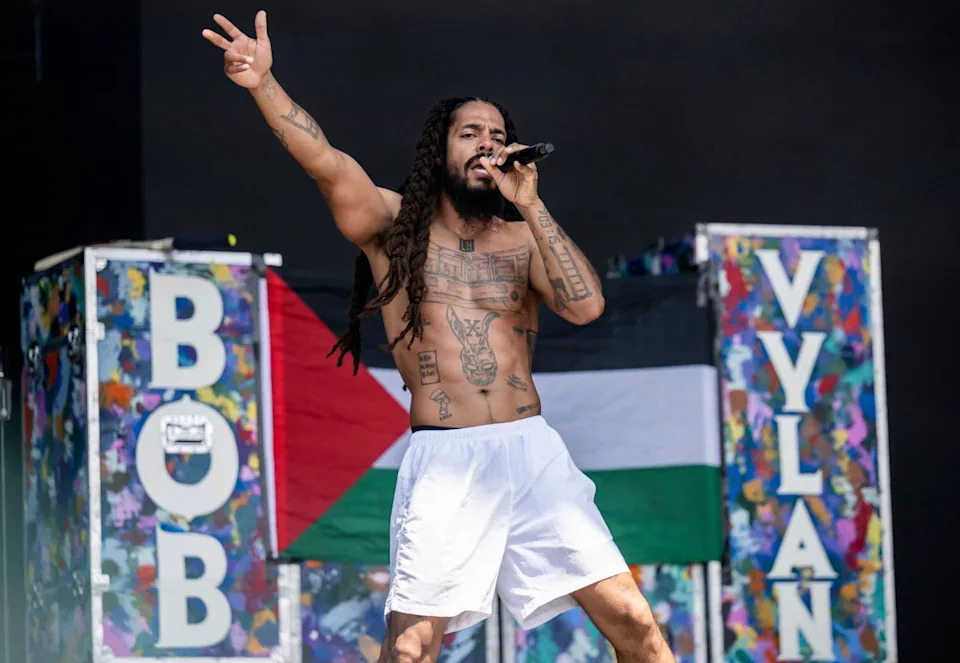
Bob Vylan led chants of 'Death to the IDF' while performing on stage at Glastonbury Festival last year - Anthony Devlin/Hogan Media
Ground Reality: Violence, Protection, and Perception
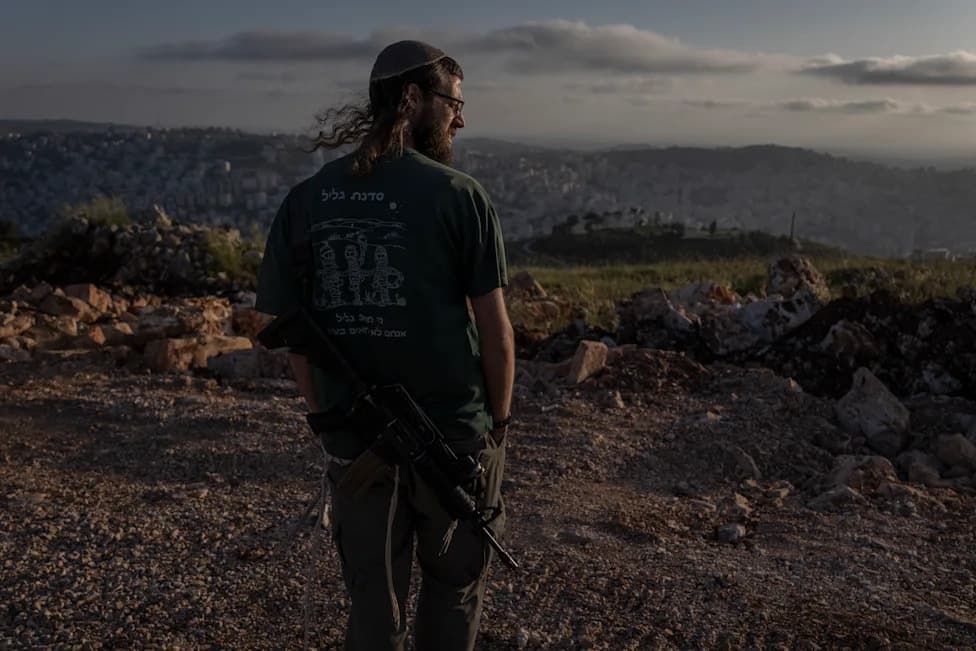
The Israel Defence Forces sometimes take actions that are protective—local clergy in Taybeh, for example, characterized a temporary restriction barring non-resident Israelis from their town as a potentially "positive" measure intended to protect residents rather than attack them. At the same time, extremist settler violence remains a serious problem: the Armed Conflict Location & Event Data Project (ACLED) reports that 2026 is on course to be the worst year for settler violence in the West Bank since ACLED began monitoring the area. ACLED recorded 460 incidents involving Jewish radicals in June 2026 and a further 360 incidents in the first 24 days of July 2026, including assaults, vandalism, theft, uprooted trees, grazing on Palestinian land, and attempted land seizures.
These incidents are real and disturbing, and too many Israeli authorities have been slow or ineffective in addressing them. At the same time, some argue that certain Palestinian attacks can be more lethal—underscoring the broader context of a traumatised country at war.
Legal Protections For Christians And Regional Comparisons
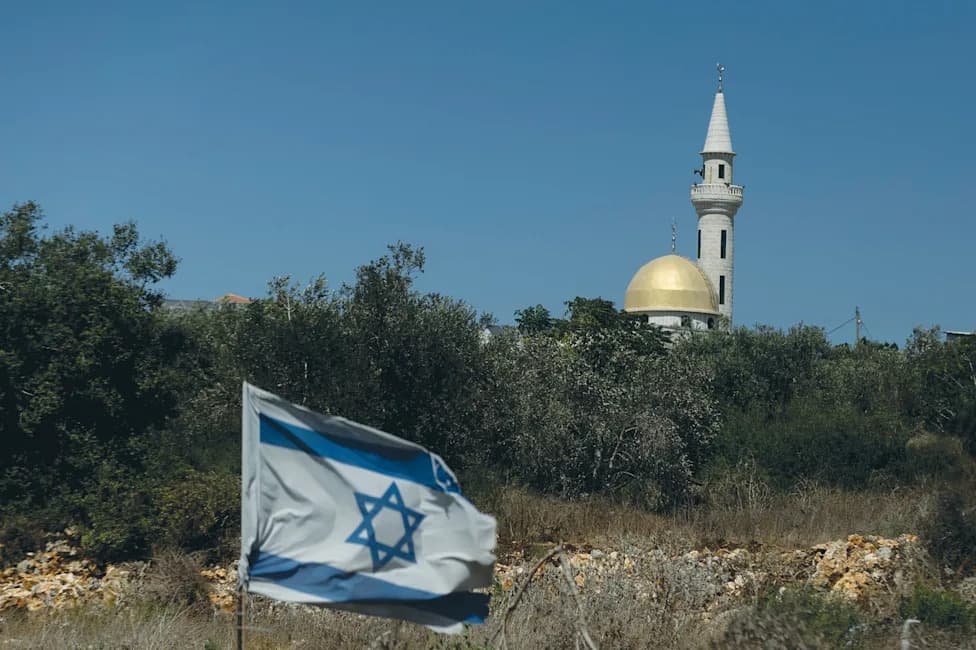
Measured against regional standards, Israel offers comparatively strong legal protections for religious minorities. The 2026 World Watch List from Open Doors did not list Israel among countries with the highest levels of persecution of Christians; other respected analysts, including Pew Research Center, have reached similar conclusions. By contrast, Open Doors documents severe persecution in parts of the Palestinian territories, where converts from Islam to Christianity can face harsh reprisals, including killings.
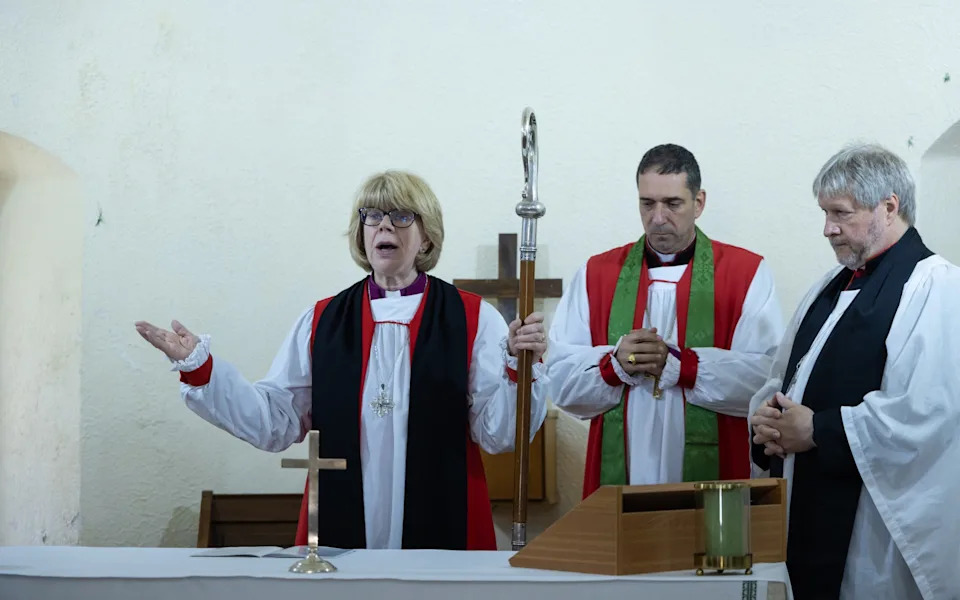
The Archbishop of Canterbury told Palestinians in June that she would use her role 'to seek the peace you desire and the freedom you deserve' - Andrea Krogmann
Why Nuance Matters
Condemning an entire nation for the acts of its worst elements risks obscuring important truths. Democracies should be held accountable, but criticism that erases nuance—or that treats every injustice as emblematic of the whole state—can fuel polarisation and blind publics to both abuses and protections that exist. Selective outrage also invites manipulation: The Telegraph has reported that U.S. investigators suspect foreign actors may have incentives to support and amplify pro-Palestinian marches in Britain, potentially spreading disinformation and deepening social divisions.
In short, the presence of extremists, failures to prevent settler violence, and the legitimate suffering of Palestinians do not negate the reality that many religious and social minorities in Israel live with legal protections and freedoms they often lack elsewhere in the region. The challenge for observers and policymakers is to hold Israeli institutions to account where they fail while resisting simplistic narratives that demonize an entire people or state.
Bottom line: Rejecting blanket judgments and embracing careful, evidence-based scrutiny is the best way to promote justice, protect vulnerable communities, and preserve the moral clarity necessary to confront true atrocities.
Help us improve.