Robert Jenrick argues that treating young people with mental-health problems as permanently unemployable deepens dependency and harms recovery. He cites rapid growth in mental-health-related claims — nearly 250 extra claimants a day in Labour's first year and a projected £110bn annual cost by 2031 — and says the current system often incentivises long-term benefit receipt over return to work. Reform UK's 50-page plan proposes a Return To Work Cover, a single Disability Needs Assessment, Disability Support Accounts and an extra £1.85bn a year for therapies and employment support to promote recovery and reintegration.
Dumping Young People On Benefits Isn’t Compassion — It’s Neglect: A Plan To Make Welfare Work

We are not lifting people out of misfortune. We are abandoning them to it, and calling it kindness
Claiming that a young person with anxiety is simply "beyond work" is a distorted form of compassion. Recovery from anxiety often depends on routine, purpose and social contact — the very things employment can provide. Yet, in Labour's first year in office almost 250 people began receiving benefits for anxiety or mood disorders every single day.
A few weeks ago I met one such claimant. He is 23, still living on a council estate in Newark in his childhood bedroom. Less than two years ago he was struggling with daily routine, adult responsibilities and his mental health. He was signed off from his first proper job and shortly afterwards received a qualifying letter saying he did not need to look for work; benefit payments began and, he says, nobody from the state has called him since.
Since then his mental health has deteriorated. He has no plans, little hope and few thoughts for the future. When I asked whether he had been happier while working or now, he hesitated, sighed and said life was far better when he had a job. Like many, he did not deliberately choose this path — but he is living it, and alternatives feel impossible.
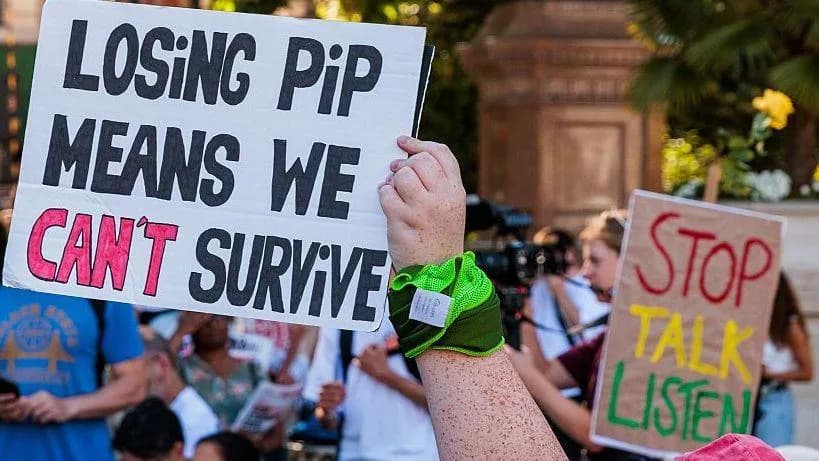
Multiply his story by millions and you confront a moral and economic crisis. About 6.9 million people are now entitled to receive disability benefits — 2.5 million more than two decades ago. More than 20,000 people join the Personal Independence Payment (PIP) caseload each month, and two-thirds of those who began claiming in 2017 were still on the benefit five years later. By 2031, health and disability benefits are projected to cost £110 billion a year — roughly £3,600 for every family in the country. Since 2002 the share of working-age claimants citing mental and behavioural conditions has tripled.
"Idleness" — William Beveridge called it one of the great evils the welfare state was intended to tackle. This is a time for bold reform, not continual patching.
This is not an argument against a safety net. It is a critique of a system that too often substitutes long-term cash transfers for active recovery and reintegration. Political leaders have repeatedly patched the system for fear of backlash; the result is expanding dependency where recovery should be the priority.
What Reform UK Proposes
On Monday, Reform will publish Making Welfare Work: a 50-page plan to redesign the welfare system more comprehensively than any reform in a generation. The package is large: where past major reforms saved roughly £20–23 billion, our changes — across multiple welfare programs — are more than double that, with some £22 billion focused on the disability programme alone.
Key measures include:

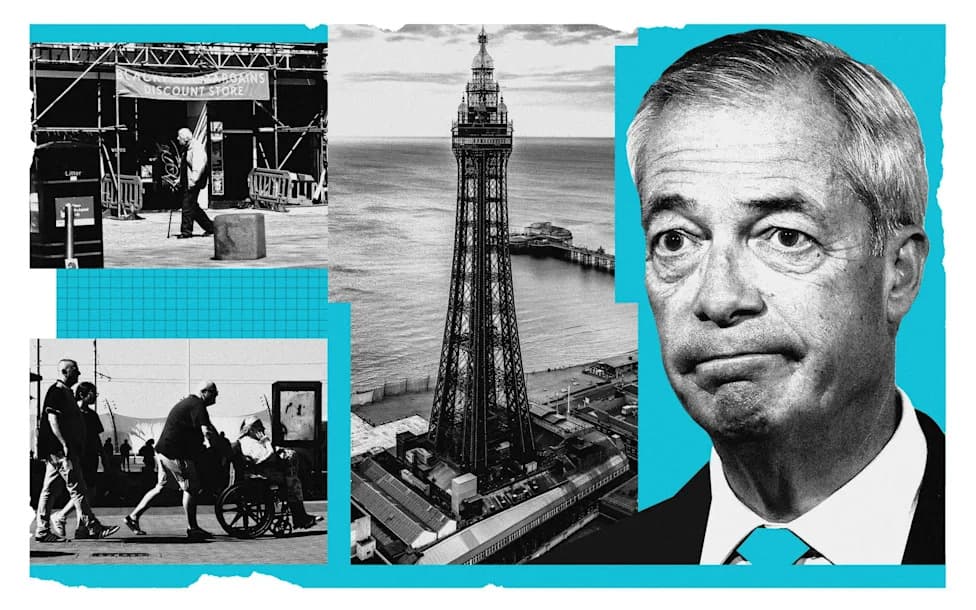
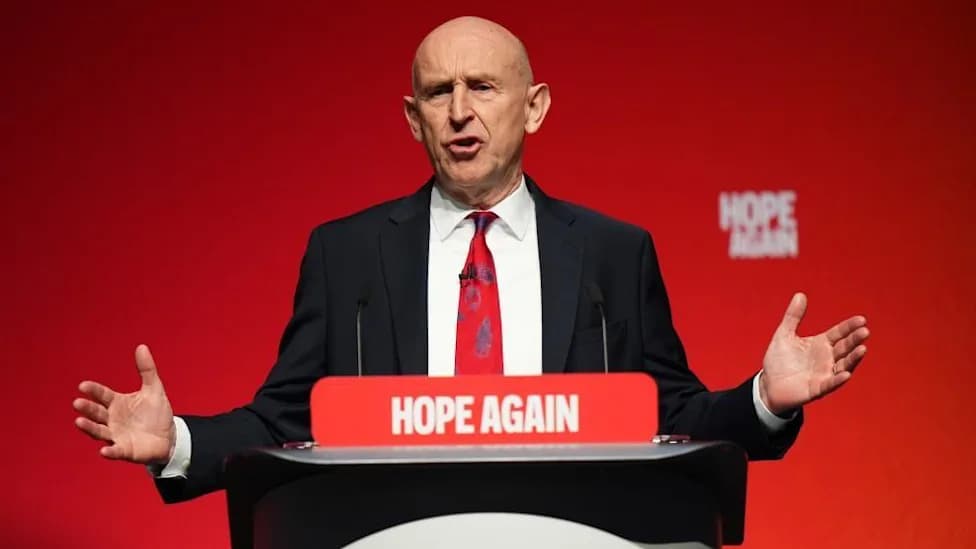
Robert Jenrick said he and Nigel Farage will 'save the welfare state, and we'll do it by revolutionising it' - Peter Nicholls
Return To Work Cover — Keep claimants connected to their employer and create a strong economic incentive for employers to support an employee's return to work. The model is inspired by the Dutch approach, where disability applications fell by around 40%.
Single Disability Needs Assessment — Replace today’s overlapping tests with one rigorous, in-person assessment by clinicians. It would clarify need, reduce duplicative procedures and screen out vexatious and fraudulent claims.
Disability Support Accounts — For lower-level conditions, replace open-ended cash payments with locally administered accounts run by councils and metro mayors to pay for verified additional costs: equipment, home adaptations, transport and personal assistance. Local delivery allows tailored solutions — what works in Herefordshire need not mirror provision in Haringey.
Health Security Allowance — A regularly reviewed payment that continues to protect the gravely ill and severely disabled. These reforms are expressly designed to protect those who genuinely need support while securing the long-term sustainability of the system.
Implementation And Investment
We will not pretend this transition is painless. Existing claimants would be reassessed over three to four years. Our estimates indicate roughly 2.16 million people would retain their current cash entitlement in full, while about 2.89 million would see payments modified or withdrawn, concentrated where recent claim growth has been most pronounced.
Because the aim is recovery rather than warehousing, we would invest an additional £1.85 billion a year in talking therapies, physiotherapy and employment support. The objective is to reverse the current reality in which fewer than one in 100 Universal Credit health claimants moves into paid work in a typical month.
Growing up in Wolverhampton amid deindustrialisation taught me why a welfare state matters: it must support people in hard times. But dumping young people onto benefits and leaving them there is not kindness — it is neglect. We can keep a safety net and, at the same time, redesign the system so it restores purpose, health and independence.
Robert Jenrick is Reform UK’s treasury spokesman.
Help us improve.