Hungary will sink two 80-metre barges near the Paks nuclear plant to raise Danube water levels and avoid shutting one of its two turbines, Prime Minister Peter Magyar said. The plant is operating at about 25% capacity after a historic drought pushed the Danube to record lows. A longer-term riverbed "sill" is planned to manage flows, but construction will take weeks, so the barges are a short-term fix. The drought has already forced Romania to shut its last reactor and has renewed debate over adapting nuclear cooling to extreme climate events.
Hungary to Submerge Two Barges Near Paks Plant to Raise Danube Levels and Protect Cooling
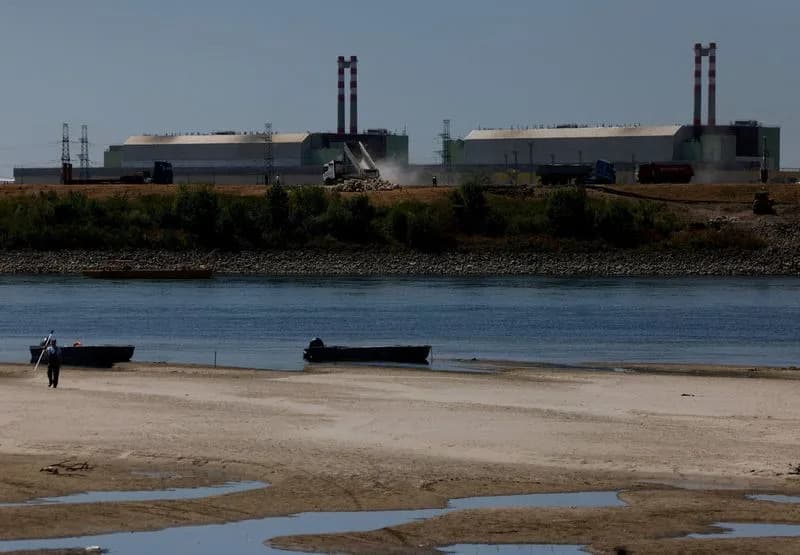
FILE PHOTO: A view of Paks Nuclear Power Plant, as the construction begins on a riverbed sill to raise the Danube's water level in Dunaszentbenedek, Hungary, August 13, 2026. REUTERS/Bernadett Szabo/File Photo
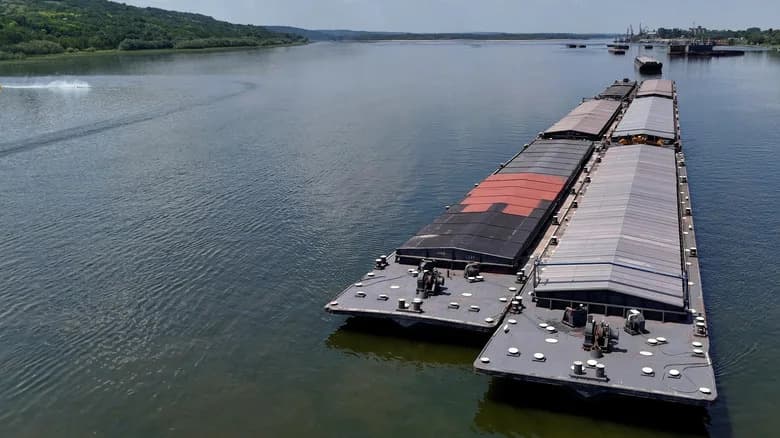
BUDAPEST — Hungarian authorities plan to sink two barges in the Danube on Saturday to raise local water levels at the Paks nuclear power plant and avoid shutting down one of its two remaining operating turbines, Prime Minister Peter Magyar said.
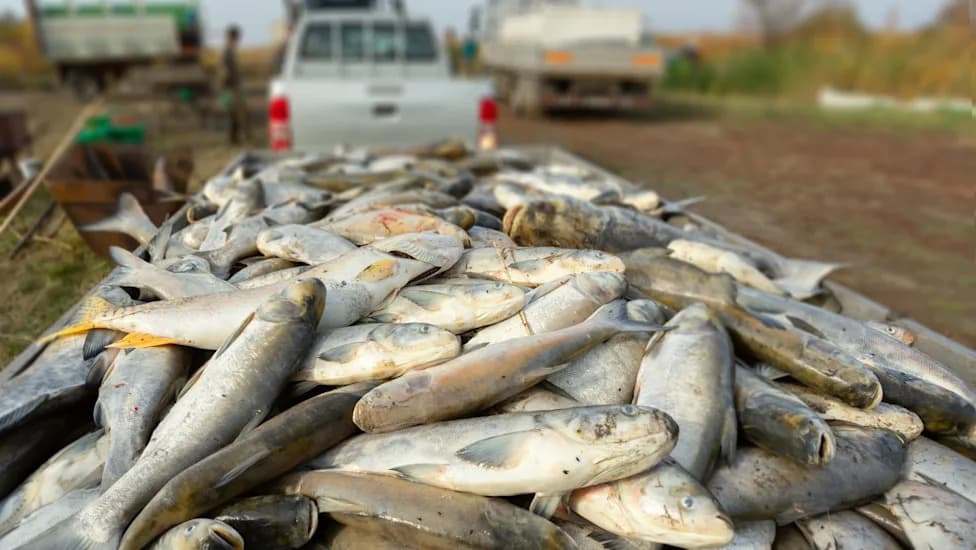
The plant is operating at roughly 25% of capacity after a historic drought pushed Danube levels to record lows. Paks relies on river water for reactor cooling, and officials said current forecasts showed the river could fall to a critical threshold by early Monday morning. At that point, one of the two functioning turbines would have to be taken offline unless immediate measures succeed.
“The Danube is receding... The controlled sinking of the barges will begin shortly,” Magyar wrote on Facebook.
As a short-term measure, authorities will submerge two 80-metre (260-foot) barges near the plant to lift the immediate water level so both turbines can continue operating while a longer-term solution is built. On Wednesday the government announced plans to construct a riverbed "sill" — a submerged, dam-like structure placed crosswise on the river bottom — to better manage flows and raise local water depth. Officials said building the sill will take several weeks before it affects river levels.
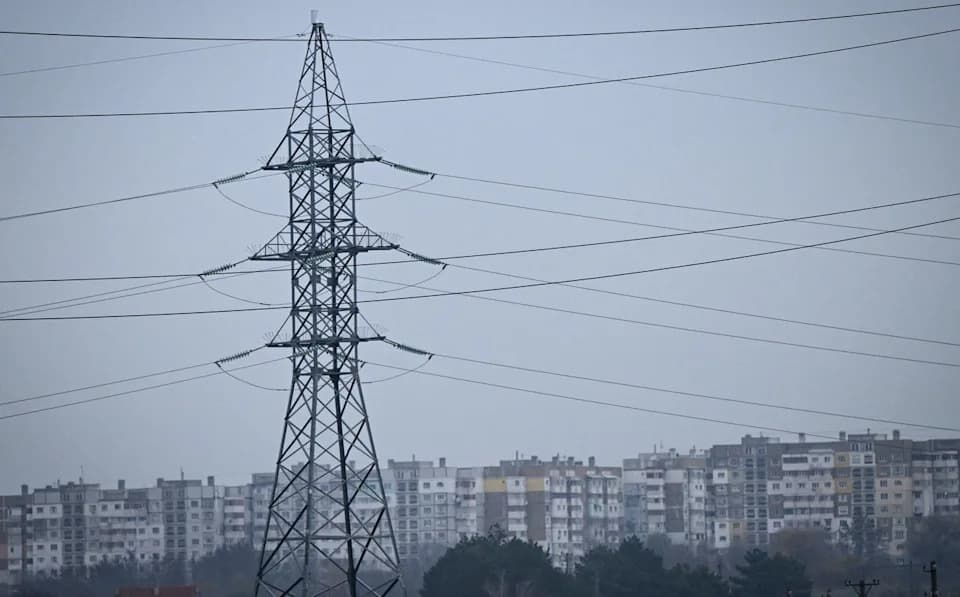
Neighbouring Romania on Thursday shut down its last working reactor because of low Danube levels, underscoring the regional impact of the drought. The episode has renewed debate in Hungary and Romania about how to adapt nuclear operations to increasingly extreme climatic events and protect critical cooling infrastructure.
Authorities say the barge operation is a controlled, temporary measure while engineers and river specialists work on the sill and monitor water levels closely. The situation remains fluid and officials have warned they will adjust actions if forecasts change.
Help us improve.