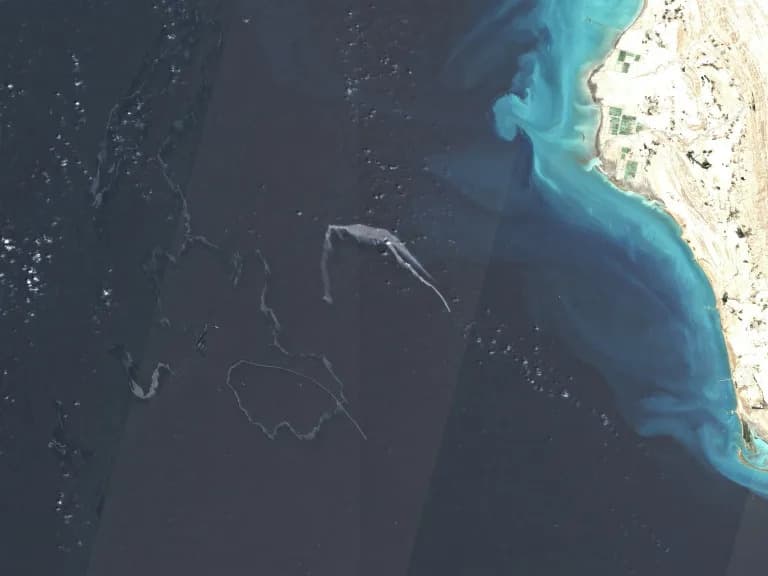
Researchers warn that more than 1,500 cargo vessels idled in the Persian Gulf and Gulf of Oman may have accumulated heavy biofouling after months of inactivity, raising the risk of spreading invasive marine species worldwide. A July 22 study in Biological Invasions notes many ships have been stationary for over 100 days, while biofouling can accelerate after about 10 days and should be managed within 18–30 days per IMO guidance. Experts say hull cleaning and anti-fouling measures are the clearest protections, but large-scale cleaning is difficult amid safety and logistical challenges; Canada is drafting regulations to better manage ship biofouling.
1,500+ Ships Idled in Persian Gulf Could Become 'Super-Spreaders' of Invasive Marine Species
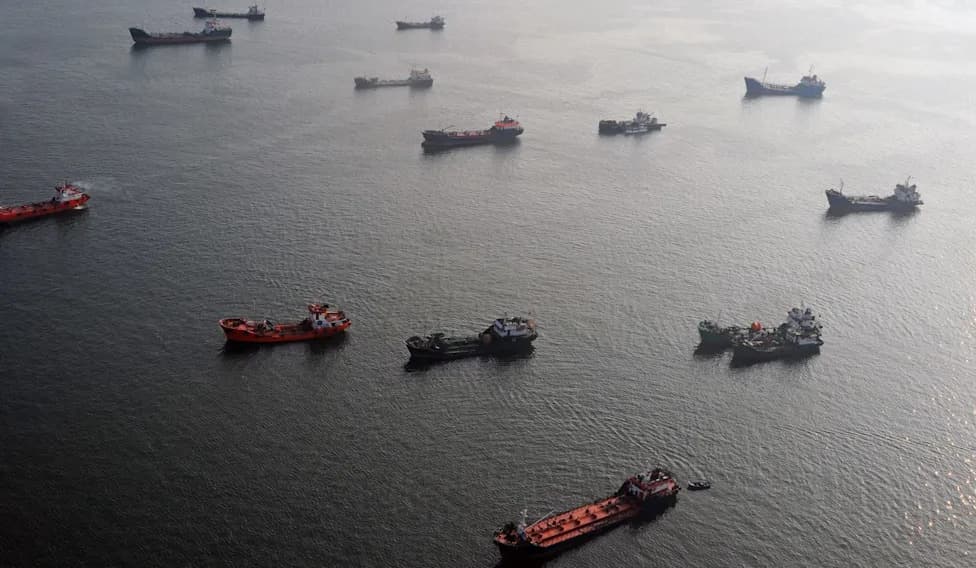
Photo Credit: iStock
More than 1,500 cargo vessels anchored or delayed in the Persian Gulf and Gulf of Oman may be collecting heavy marine growth on their hulls after months of idling — creating a clear risk of transporting invasive species to ports worldwide.
Why Researchers Are Concerned
A study published July 22 in Biological Invasions warned that the backlog near the blocked Strait of Hormuz has likely created ideal conditions for significant biofouling (marine growth on submerged surfaces) to build up on stationary ships. Under normal conditions, vessels waiting to transit the area typically remain in place for one to three days. Many ships in the current bottleneck, however, have been stationary for more than 100 days.
How Quickly Biofouling Grows
Biofouling — a mix of algae, barnacles, mussels, tunicates and other organisms — can begin to increase rapidly after roughly 10 days. The International Maritime Organization (IMO) recommends that measures to control biofouling on idle vessels be taken after about 18–30 days to limit the accidental transfer of species to new regions.
Historic Precedent and Modern Risks
Researchers cite a World War II example in which New Zealand ships held in English ports helped spread an invasive barnacle into western Europe. They emphasize that “the connection between immobile biofouled ships and marine species invasions has long been recognized.” Once these vessels move again, organisms attached to their hulls could be carried into ports around the globe, potentially disrupting local ecosystems and threatening fisheries, aquaculture and coastal livelihoods.
“They foul buoys and nets and it makes the equipment really heavy causing it to sink. So the shellfish harvest is impacted, and they have trouble selling the product because it gets contaminated with these non-native species.” — Sarah Bailey, Assistant Professor, University of Toronto
Impacts and Practical Challenges
Canada — including saltwater ports such as Vancouver and Halifax — is among the places at risk, experts say. In Canada’s Maritimes, invasive tunicates have already damaged aquaculture by fouling gear and contaminating shellfish harvests. Study lead author Mario Tamburri told the CBC that cleaning every affected hull is unlikely at the scale required: there are simply too many vessels to service and the regional conflict creates serious safety risks for cleaning crews.
Mitigation and Policy Responses
The clearest mitigation is removing biofouling from hulls before ships travel to new regions. Other measures include using anti-fouling coatings and cleaning technologies designed to capture organisms rather than release them back into the water. Currently, IMO guidance on biofouling is voluntary, but some nations are moving toward stronger rules. Canada, for example, is drafting new regulations to manage ship biofouling, including requirements for hull cleanliness, improved coatings and safer cleaning methods.
What Comes Next
Addressing this risk will require international coordination, practical measures to protect workers, and resources to inspect and treat vessels when it is safe to do so. Monitoring, rapid reporting of new invasions, and adoption of preventive technologies will be crucial to limit ecological and economic damage to vulnerable coastal communities.
Sources: July 22 study in Biological Invasions, reporting in Cottage Life and CBC; statements from study authors and University of Toronto researchers.
Help us improve.