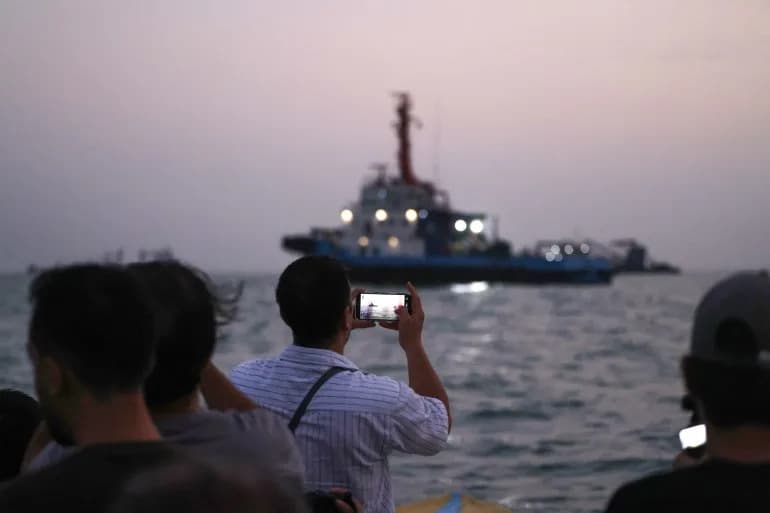
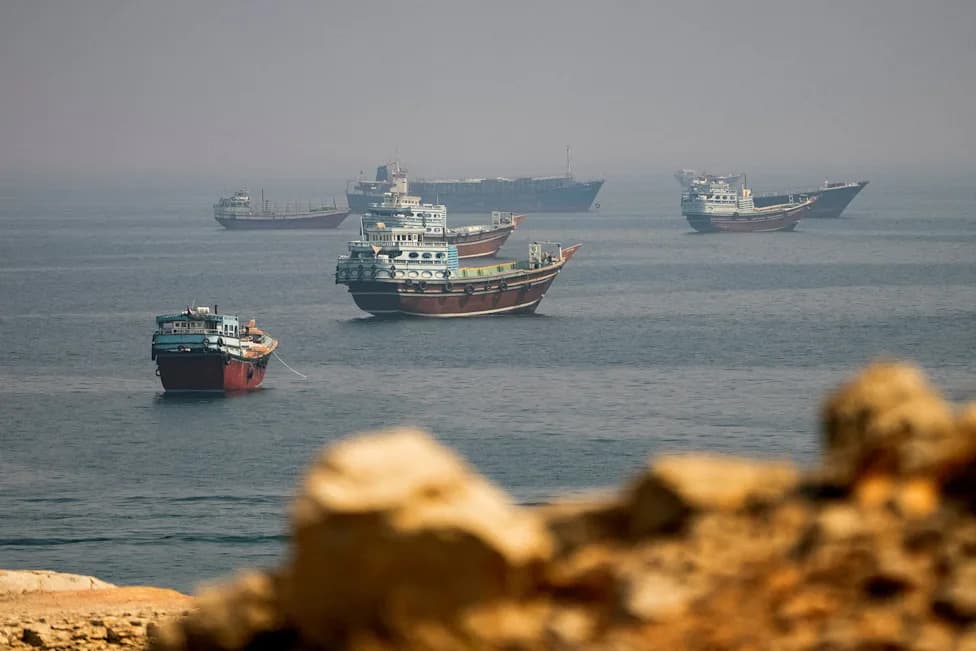
Iran is fighting a substantial oil spill near Qeshm Island in the Strait of Hormuz, with initial containment efforts reported. IRNA says about 3.2 hectares of shoreline and nine hectares of coastal waters have been contaminated, including mangroves and sea turtle nesting sites. A separate slick off Oman followed the grounding of the sanctioned tanker Caroline Bezengi, which experts fear may break apart; any connection between the two spills remains unclear.
Oil Spills Spread Along Iran and Oman Coasts Amid Strait of Hormuz Tensions
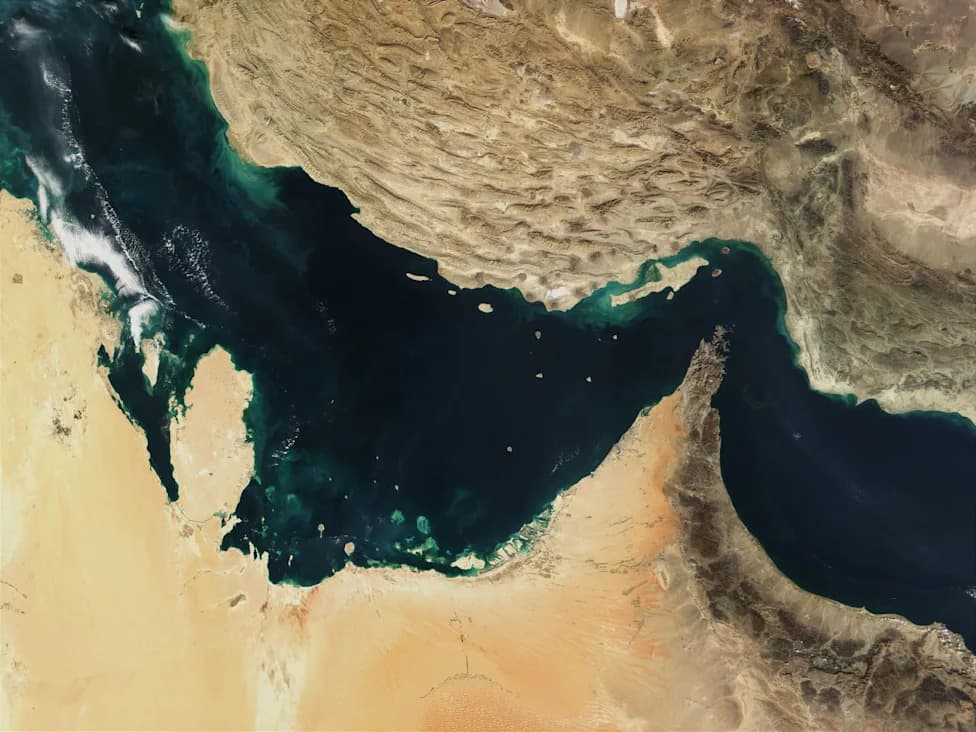
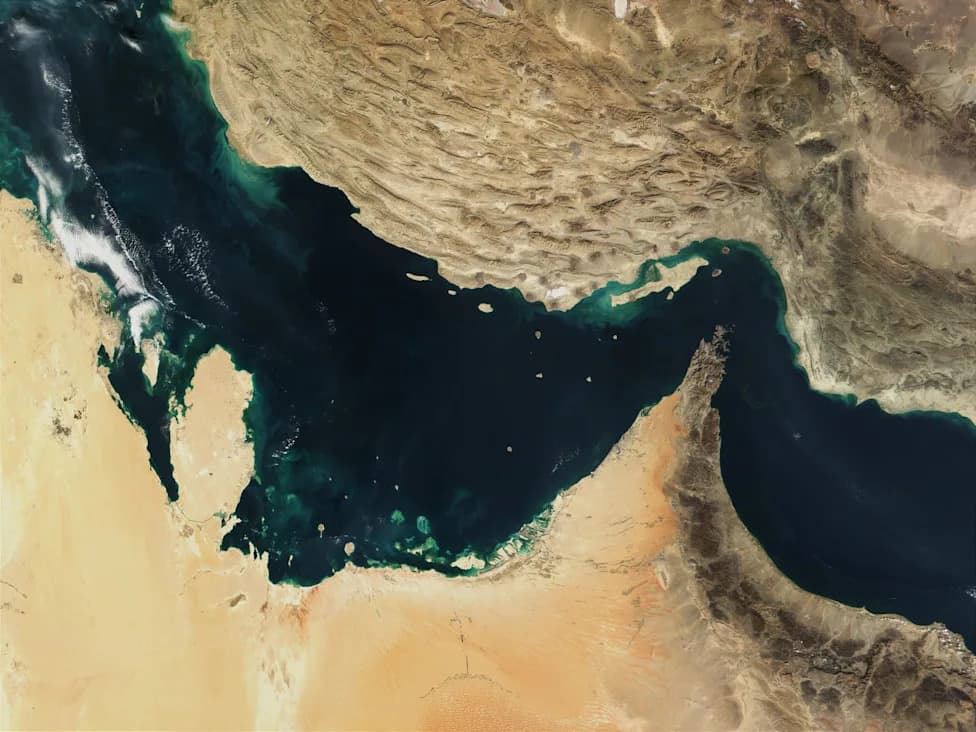
An undated handout satellite picture provided by the National Aeronautics and Space Administration (NASA) the Arabian Gulf (Persian Gulf), the Strait of Hormuz, and the Gulf of Oman. Iran's Revolutionary Guard announced it impounded a "foreign" vessel on July 31 that had been attempting to smuggle oil to the Gulf states. (is associated with: «Iran and Oman battling coastal oil spills») -/The Visible Earth/NASA/dpa
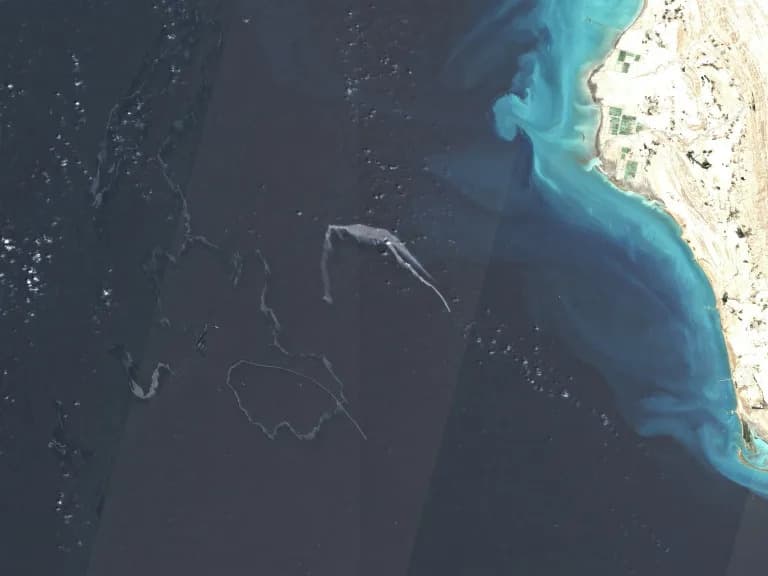
Iran is battling a significant oil spill in the Strait of Hormuz after oil washed ashore near Qeshm Island, local media reported. Officials say initial containment efforts are underway, although earlier statements had indicated the spill was already under control.
Extent And Impact
State news agency IRNA reported that about 3.2 hectares of Iran's shoreline and roughly nine hectares of adjacent coastal waters have been contaminated. Authorities warned that mangrove forests and sea turtle nesting sites are among the environmentally sensitive areas affected.
Cause And Context
The reformist daily Etemad reported that the oil appears to have been driven ashore from offshore, but investigators have not yet determined the precise cause. The incident comes amid months of heightened maritime tensions: since February, forces linked to the Islamic Republic have attacked multiple cargo vessels in attempts to impede navigation through the strait, and the United States has conducted operations to interdict Iranian vessels, including reported shots to disable some ships.
Related Spill Off Oman
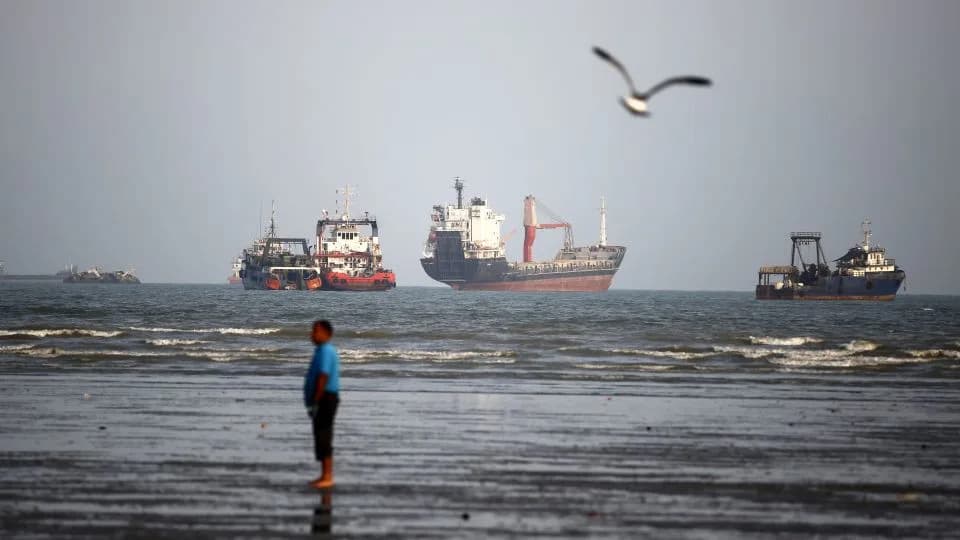
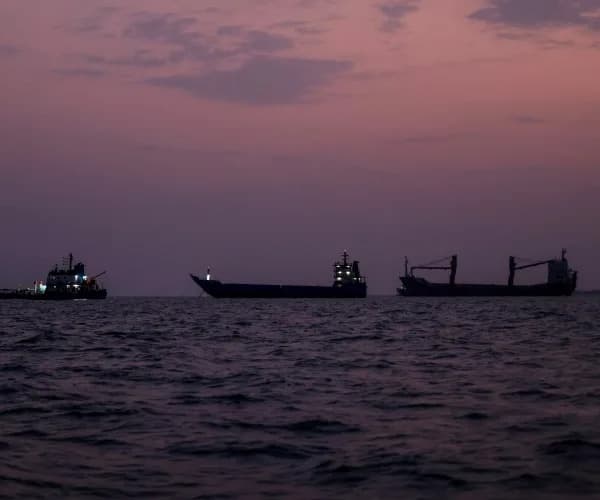
An additional oil slick is spreading off Oman's coast after the tanker Caroline Bezengi — a vessel associated with Russia's so-called "shadow fleet" and subject to European Union sanctions — ran aground at the end of June. Experts warn the grounded tanker risks breaking apart; it is not yet known whether the slicks affecting Iran and Oman are connected.
Environmental Concerns: Mangrove habitats and sea turtle nesting grounds are particularly vulnerable to long-term damage from oil contamination, and authorities face an urgent need to contain and clean the affected areas to limit ecological harm.
Investigations continue to determine the exact sources and links between the incidents. Local and international environmental and maritime agencies are likely to monitor the situation as cleanup and assessment efforts proceed.
Help us improve.