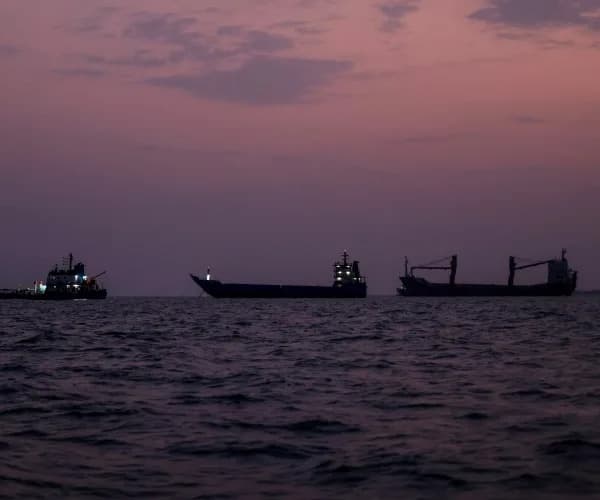
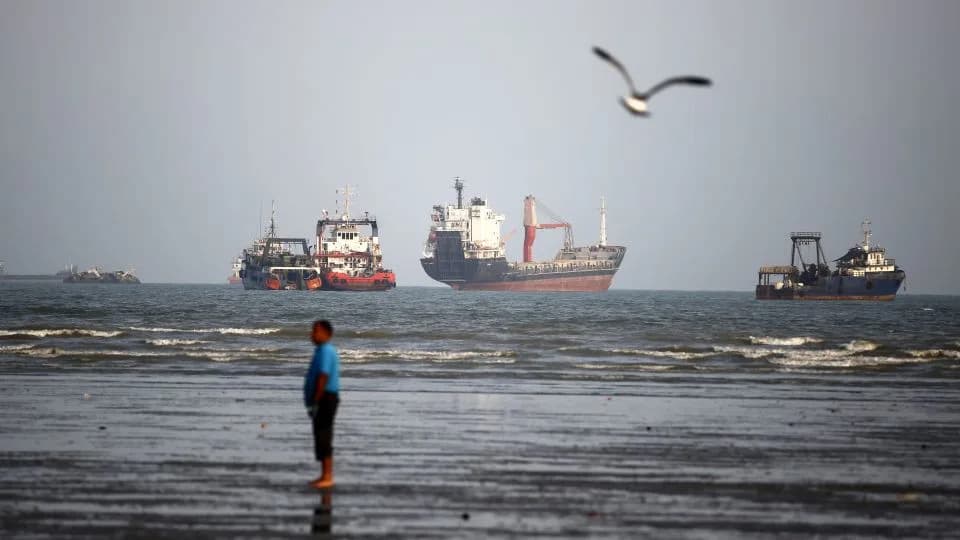
At least two oil tankers were struck in waters off Oman and in the Strait of Hormuz over the weekend, while Tehran reiterated it will not fully reopen the strategic waterway until Washington meets its conditions to end the conflict.
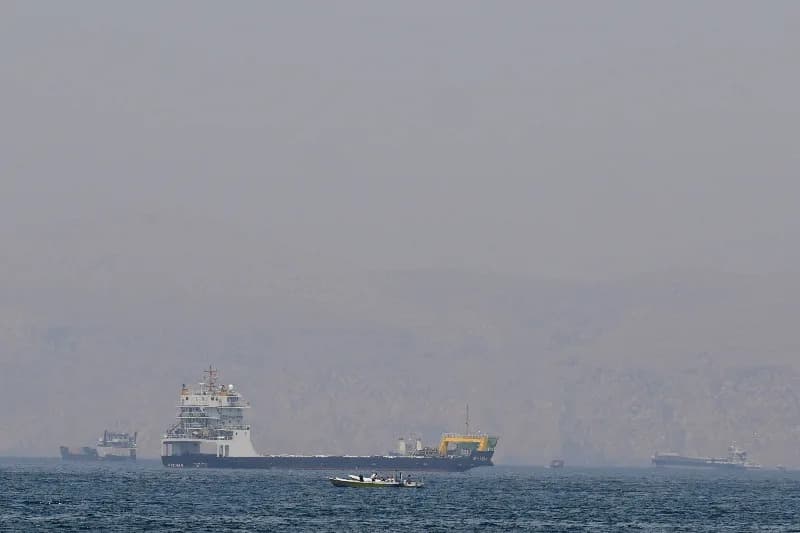
The United Kingdom Maritime Trade Operations (UKMTO) reported that on Saturday an unknown projectile hit a crude oil tanker about four nautical miles east of Oman. UKMTO said a second tanker was struck on Sunday in the Strait of Hormuz and sustained damage to its engine room.
Industry tracker Vanguard Tech identified the vessel hit on Sunday as the LR2 tanker Lipsi, linked to a Greek operator and a Chinese owner; industry reports also cited engine-room damage.
These incidents are the latest in a renewed wave of attacks targeting tankers engaged in the "shuttle" trade between Gulf oil producers and ship-to-ship transfer zones in the Gulf of Oman. After several weeks of relative calm, the pace of reported strikes has increased to nearly one tanker per day over the past week.
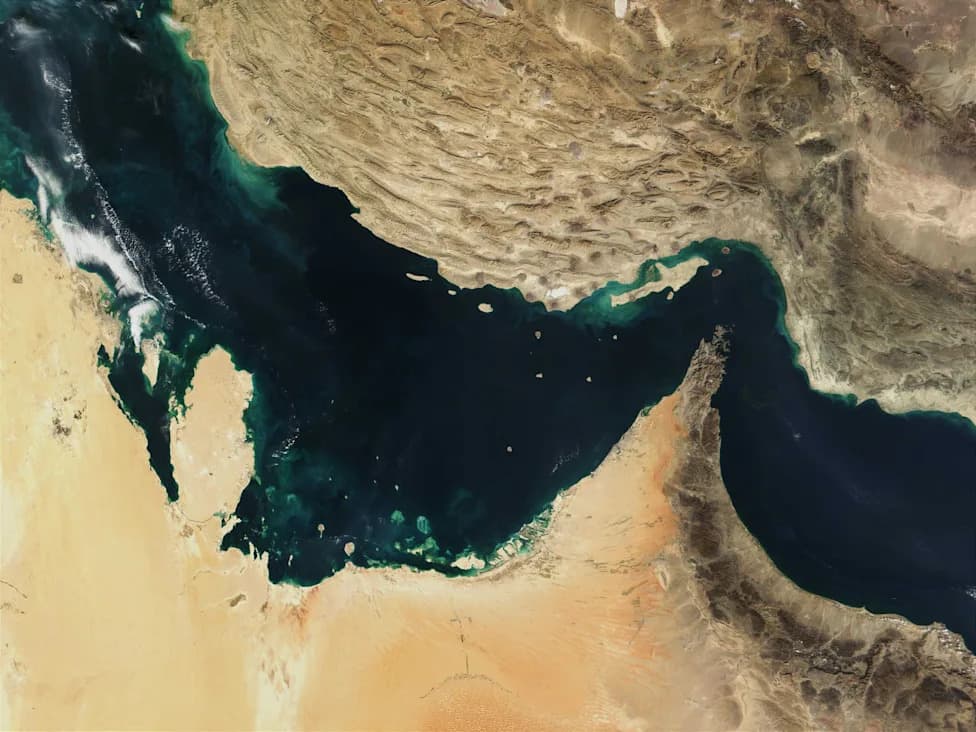
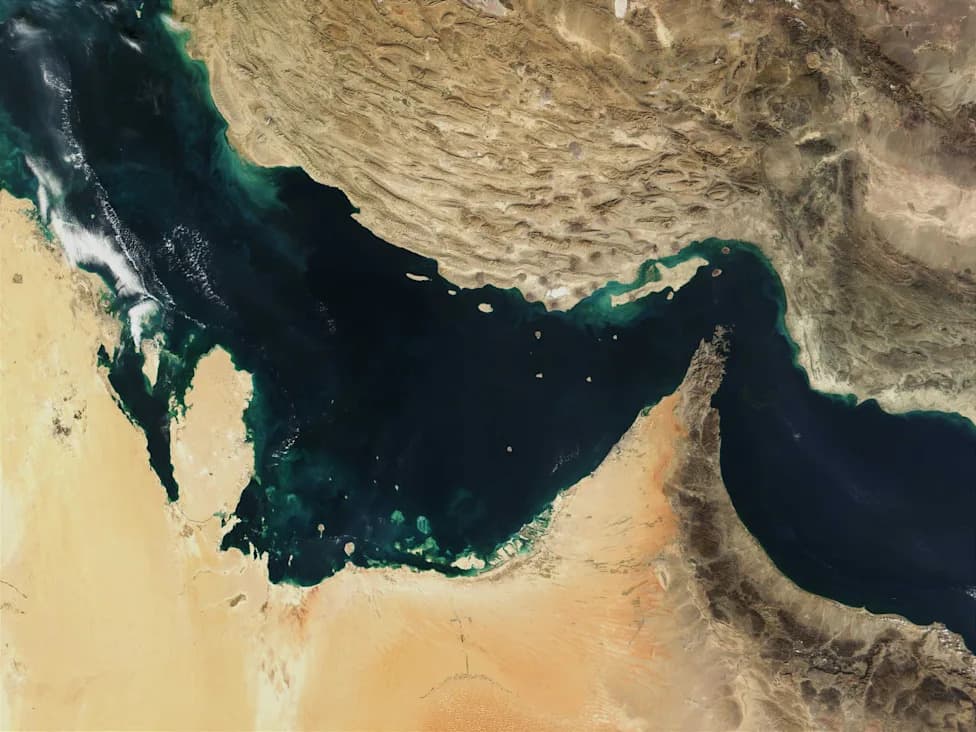
Satellite imagery indicates tanker traffic continues to use the U.S.-protected southern shipping corridor. Naval analyst Tom Bike identified three disabled tankers near the Musandam Peninsula and said at least four other tankers were observed making daytime transits through the channel.
Shipments through the waterway have recently rebounded to more than 12 million barrels per day, helping bring total Gulf exports close to prewar levels. The Strait of Hormuz—through which roughly one-fifth of the world’s oil moved before the U.S.-Israel war began on Feb. 28—has been the scene of repeated attacks on commercial shipping in recent weeks.
Iranian Parliament Speaker Mohammad Bagher Ghalibaf told Nour News: "The Strait of Hormuz will not open until Iran's seven conditions based on the Islamabad Memorandum are met, and Iran will not regulate its national security with tweets from American officials."
Maritime security services, shipping firms and international navies continue to monitor the corridor closely. Continued strikes could raise insurance costs, force rerouting and affect global oil markets if attacks persist.
© 2026 Newsmax. All rights reserved.