Key points: Candida auris, a drug-resistant yeast, has caused well over 3,400 clinical cases across 27 U.S. states this year, primarily in nursing homes and long-term care facilities. California accounts for about a quarter of cases. The fungus survives on surfaces, often resists standard antifungals, and poses the greatest risk to patients with ventilators or long hospital stays. Rigorous cleaning, strict infection-control practices, improved diagnostics and new treatments are critical to protecting vulnerable patients.
Drug-Resistant 'Super Fungus' Candida auris Spreads to 27 U.S. States — Over 3,400 Cases This Year

Doctors and nurse transporting unconscious patient on gurney
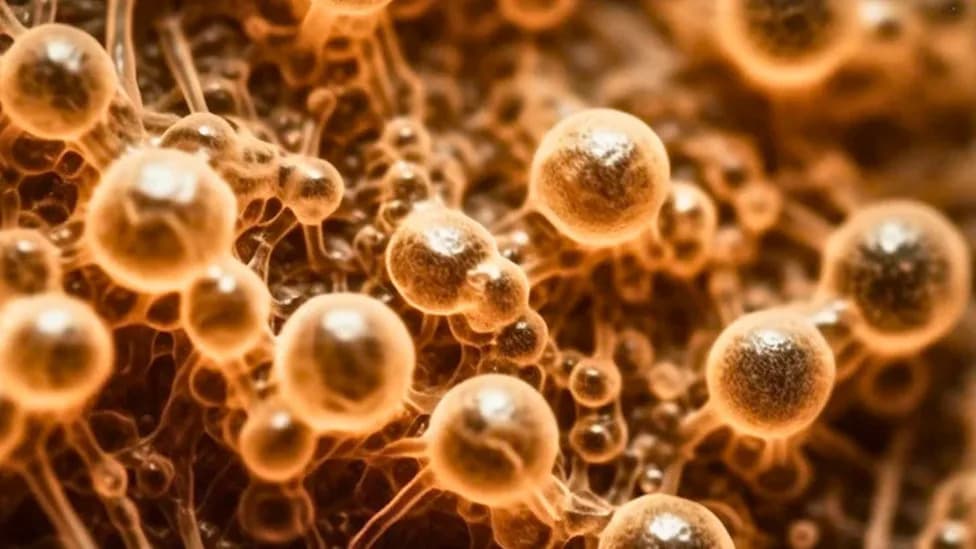
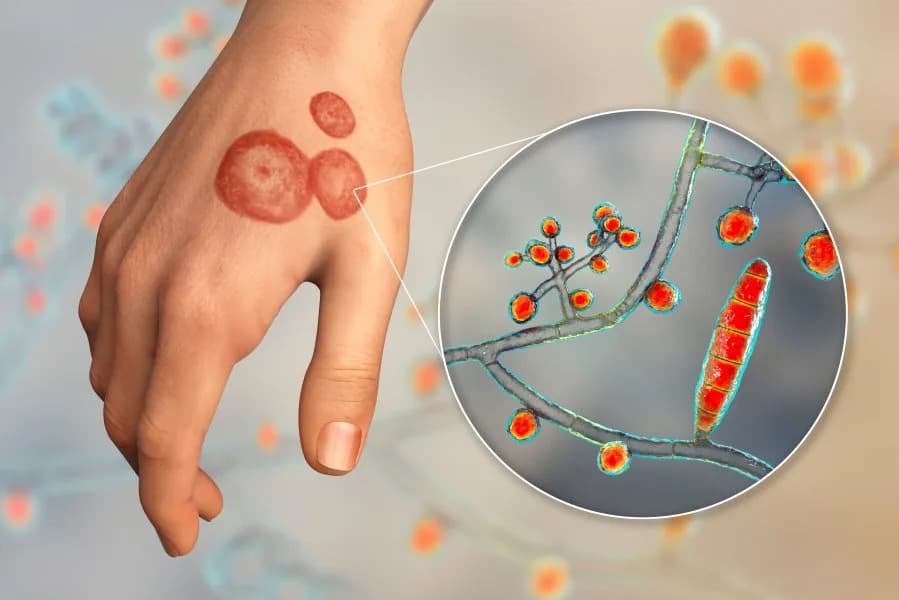
A stealthy, drug-resistant yeast known as Candida auris has produced thousands of clinical cases across the United States this year, spreading worry among hospitals and long-term care facilities.
Official data compiled by ABC News indicate well over 3,400 clinical cases have been reported in 27 states so far this year. Infections are concentrated in nursing homes and other long-term care settings where residents often have serious underlying health conditions.
Why This Is Concerning
The organism is notable for its ability to survive for long periods on surfaces such as bed rails, doorknobs and shared medical equipment, which helps it spread within healthcare facilities. Many clinical samples show reduced susceptibility or outright resistance to commonly used antifungal drugs, forcing clinicians in some cases to combine multiple antifungal agents to try to control infections.
Who Is At Risk
For generally healthy people in the community, C. auris poses little risk. The greatest danger is to medically complex or frail patients—particularly those on ventilators, with long hospital stays, or receiving intensive care. Clinical presentations range from asymptomatic colonization to severe bloodstream infections.
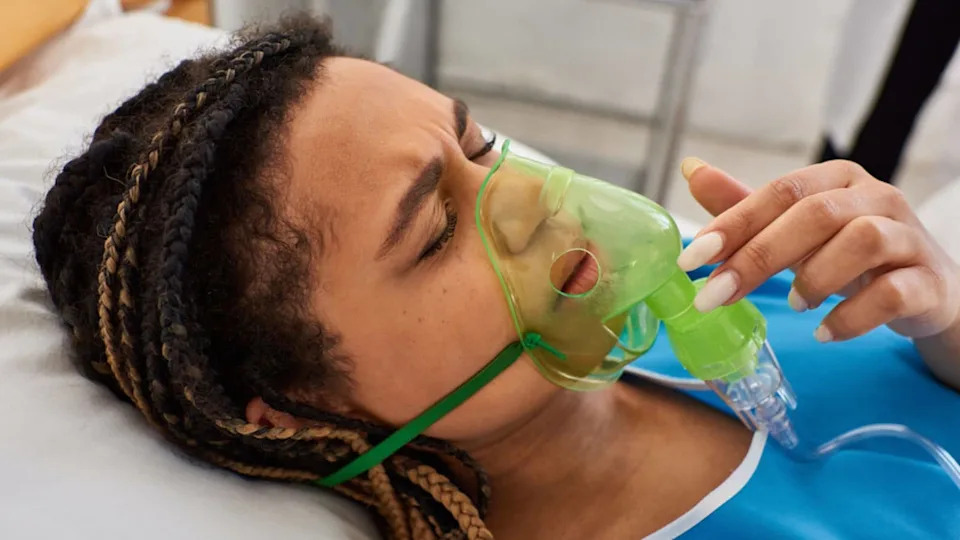
Photo Credit: HayDmitriy/Deposit Photos
Diagnostics, Treatment, And Research
Symptoms such as fever and chills are nonspecific and can be mistaken for other conditions. Standard laboratory tests may misidentify or miss C. auris initially, delaying targeted therapy. Large research teams are working to develop antifungals and diagnostics tailored to this organism, but new tools remain under development.
Prevention And Control
Public health and medical leaders emphasize that rigorous cleaning, strict infection-control procedures and careful disinfection of shared equipment are the most effective defenses available right now. Preventing transmission requires coordinated staff effort to thoroughly clean surfaces and follow protocols even during busy shifts.
California accounts for roughly a quarter of the reported cases nationwide; other states with notable case counts include Texas, Tennessee, Ohio and Georgia. While reported case counts are rising, the current pace of spread appears slower than the large spikes seen in previous years—but continued vigilance is essential to protect vulnerable patients.
Photo Credit: HayDmitriy / Deposit Photos
Questions for healthcare leaders: How can local care centers and major hospitals better coordinate to share best practices for cleaning, detection and patient management to limit further spread?
Help us improve.