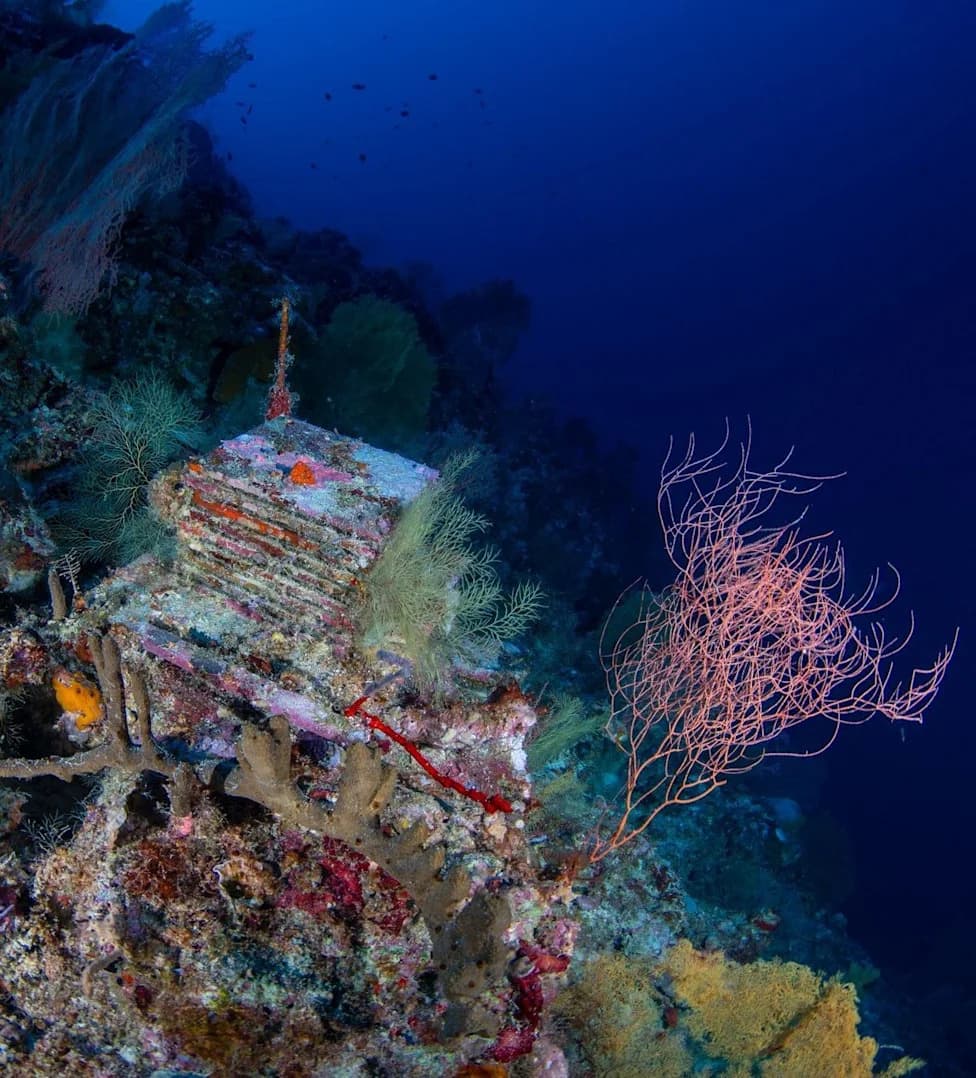
Researchers discovered a vivid yellow, branching deep-sea coral off Costa Rica, named Laurinque elenya. Found at depths of about 1,200–1,700 ft (370–520 m) on seamounts near Isla del Coco, individual colonies reached up to 3.3 ft tall. Single-gene tests conflicted, but phylogenomic analysis of hundreds of genes showed the coral falls outside known families, prompting the creation of a new family. The find underscores the ecological importance of deep-sea habitats and the need to document and protect seamount biodiversity.
Bright Yellow Deep-Sea Coral Off Costa Rica Represents an Entirely New Family
Photo Credit: iStock
Scientists have identified a bright yellow, branching deep-water coral off the Pacific coast of Costa Rica that is so genetically distinct it has prompted the creation of a new taxonomic family.
The colonies, given the scientific name Laurinque elenya, were observed on seamounts near Isla del Coco and along the Costa Rican Pacific margin at depths of about 1,200–1,700 feet (roughly 370–520 meters). Individual colonies grew on rocky outcrops and reached up to 3.3 feet (1 meter) tall, standing out in what researchers described as an almost otherworldly setting.
How researchers identified a new family
Initial tests analyzing three genes commonly used to classify corals produced conflicting results: each gene suggested a different existing family. To resolve that uncertainty, the team used phylogenomics — comparing hundreds of genes at once — which showed the species falls outside all known coral families. That broad genomic evidence led researchers to establish a new family for the lineage.
Where the specimens came from
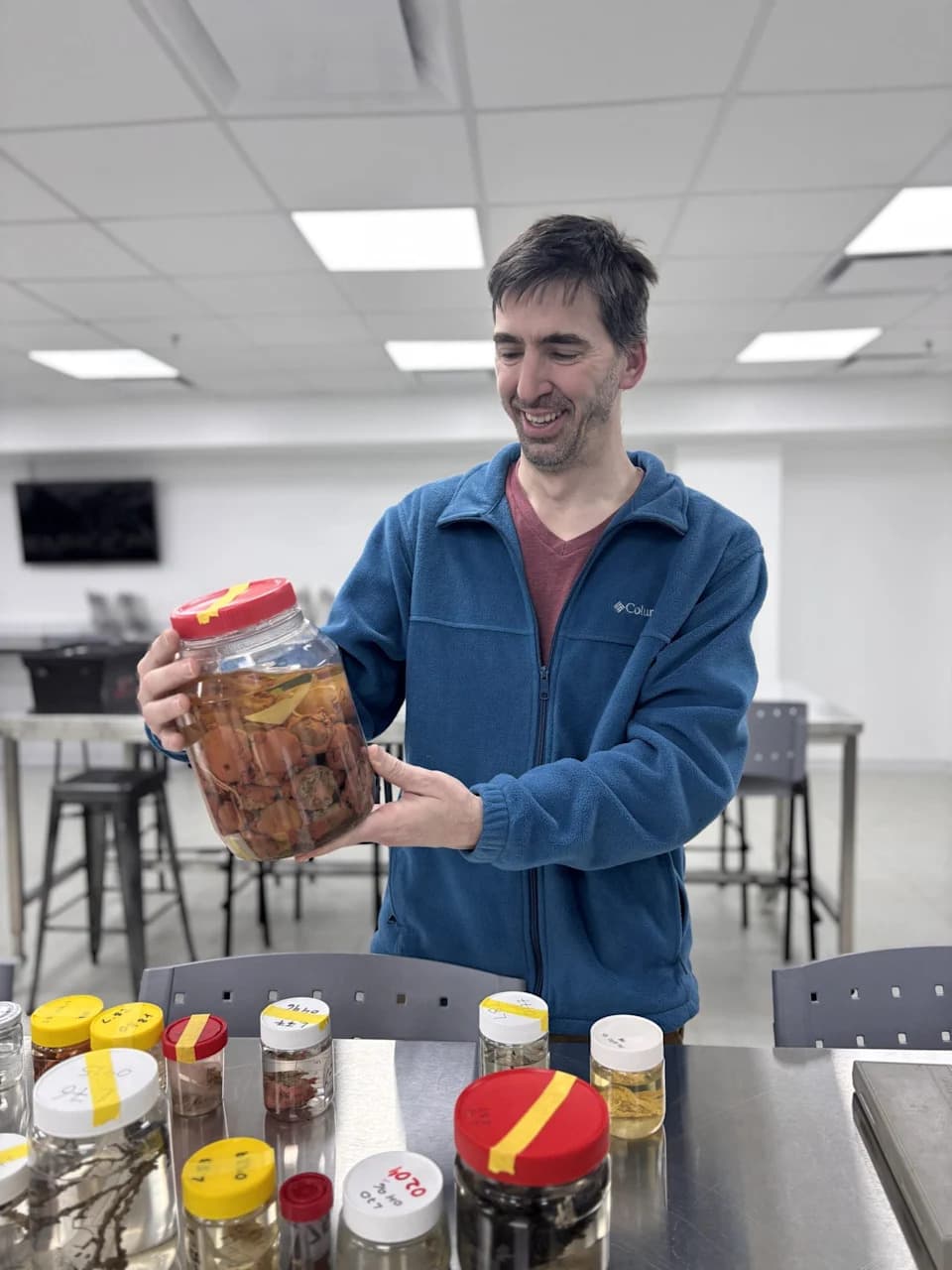
Specimens were collected during expeditions in 2019 and 2023 using the remotely operated vehicle SuBastian, deployed from research vessels operated by the Schmidt Ocean Institute, including Falkor and Falkor (too). The formal species description was published in the open-access journal ZooKeys, and the discovery was reported by Ocean News & Technology.
Why this matters
Deep-sea coral gardens are considered vulnerable marine ecosystems because they form structurally complex habitats that support diverse communities of marine life. Though these forests lie far below the surface, they underpin local food webs and broader ocean processes that coastal communities and economies depend on. Documenting these ecosystems helps scientists and policymakers identify sites that may warrant protection.
“In 2023 we collected more samples, and thanks to the exhaustive molecular analyses made by my colleagues, Cathy McFadden, Catalina Murillo, and Andrea Quattrini, we were able to determine the taxonomic placement of the stunning species in one of the most enigmatic sites,” said lead researcher Odalisca Breedy.
As exploration of Costa Rica’s seamounts continues, researchers expect additional discoveries that will improve understanding of deep-sea biodiversity and inform conservation efforts for these fragile habitats.
Help us improve.