Author and Jewish Michigander Nikki Sapiro Vinckier celebrates Abdul El‑Sayed’s narrow primary win but warns it revealed deep fractures with Jewish voters. She urges El‑Sayed to acknowledge the harm caused by his wording after the Temple Israel attack, engage Jewish communities on their terms, and clarify boundaries around his association with Hasan Piker. The piece calls for inclusive outreach focused on shared priorities — health care, economic security and safety — to build a winning coalition for November.
I Voted for Abdul El‑Sayed — He Should Distance Himself From Hasan Piker to Reassure Jewish Voters
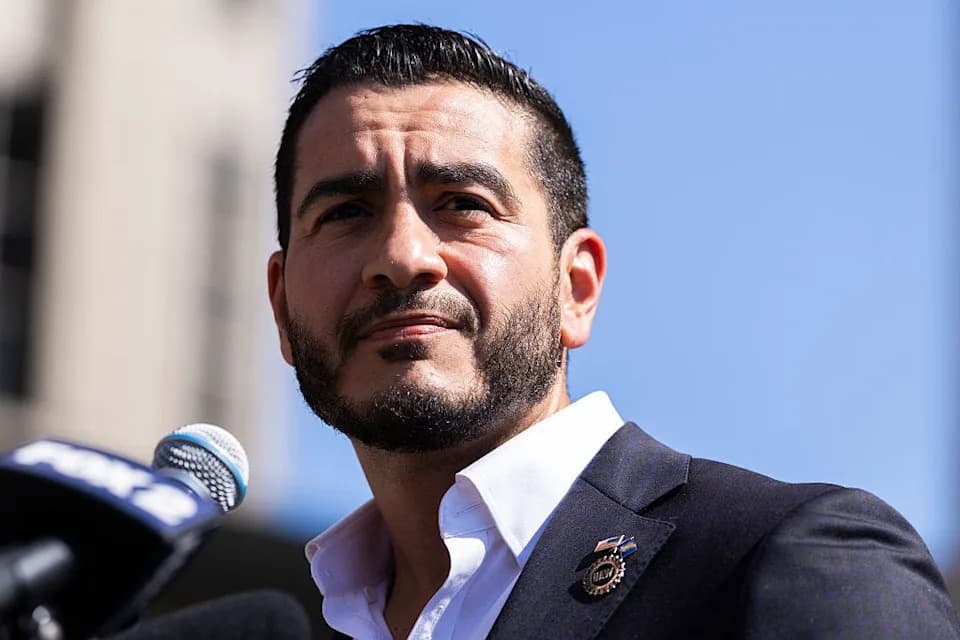
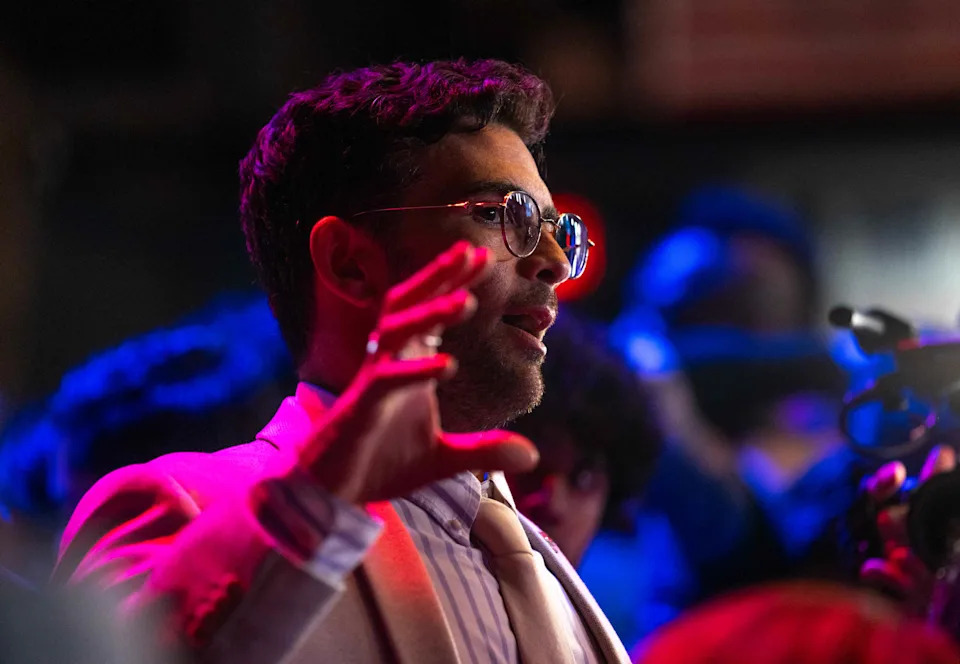
Michigan Democratic Senate primary winner Abdul El-Sayed speaks during a news conference on Aug. 5, 2026, in Detroit.
I voted for Abdul El‑Sayed in Michigan’s Democratic primary because his platform aligns with the values I care about: health care access, economic security, reproductive freedom and environmental protection. When The Associated Press finally called the race, I felt thrilled and relieved — and almost immediately worried. As I celebrated, many Jewish friends, family members and community members told me they felt angry, hurt or betrayed and that some would not consider supporting him in November’s general election.
A Narrow Win That Reveals Deep Fault Lines
The contest was razor‑thin. When The Associated Press named El‑Sayed the winner, he led Rep. Haley Stevens by 14,893 votes out of more than 1.5 million cast — a margin just under one percentage point. That narrow victory does not erase his accomplishments, but it does expose real wounds within the Democratic coalition and how much work remains if Democrats are to defeat Republican Mike Rogers in November.
Stevens has conceded and pledged her support. Gov. Gretchen Whitmer, Sen. Gary Peters and Sen. Elissa Slotkin — who is Jewish — have also endorsed El‑Sayed, and the Jewish Democratic Council of America congratulated him. Those endorsements are a helpful first step toward shifting attention from a bitter primary to the larger fight ahead.
Why Many Jewish Michiganders Feel Alienated
Unity does not mean uniformity. It means making room for diverse experiences, fears and loyalties within our coalition, not pretending those differences do not exist. I watched criticism of the Israeli government become conflated with hatred of Jewish people. I also watched legitimate anxieties about antisemitism get tangled in political argument and at times be dismissed outright. The result: many Jewish Michiganders feel they cannot even contemplate supporting El‑Sayed.

Families leave after being reunited outside Temple Israel synagogue after an assailant rammed his truck into the building in West Bloomfield, Michigan, a suburb of Detroit, on March 12, 2026. He exchanged gunfire with security guards before he was killed.
People shared painful stories with me. Some who hesitated were called racist, accused of being aligned with MAGA, or labeled complicit in genocide. One liberal Jewish voter said a relative was screamed at by friends and ultimately pushed out of the group for simply expressing uncertainty. That kind of behavior hardens fear, shuts down conversation and pushes potentially persuadable voters farther away. We cannot win by purity politics; we must build bridges.
Be Specific: The Temple Israel Response
There must be an honest conversation about El‑Sayed’s public response to the attack on Temple Israel in West Bloomfield. To be clear, he unequivocally condemned the attack, called it heinous and evil, and affirmed that antisemitism has no place in our communities. He repeatedly said there was no justification for what happened.
Yet El‑Sayed also used the phrase "hurt people hurt people" and linked the attacker’s actions to the deaths of the attacker’s relatives in Lebanon. For many Jewish Michiganders, that framing felt like an explanation or minimization at a moment when their community sought unconditional solidarity. One friend told me bluntly that the phrase felt indefensible; others heard it as victim‑blaming, even as El‑Sayed intended to explain cycles of violence. Both things can be true. A sincere acknowledgement that his words caused pain would go a long way toward rebuilding trust.
Hasan Piker: When Association Becomes A Liability
There is an additional barrier: El‑Sayed’s continued association with commentator Hasan Piker. I do not believe appearing with someone automatically implies endorsing every remark they have made. But many Jewish voters found El‑Sayed’s responses about campaigning with Piker insufficient — and concern deepened when Piker livestreamed from El‑Sayed’s election‑night party. At some point, continued public association is a choice.
Twitch streamer Hasan Piker at an election night watch party for Democratic U.S. Senate candidate Abdul El-Sayed in Detroit on Aug. 4, 2026.
If El‑Sayed hopes to win over Jewish voters who remain unconvinced, he must listen to why that relationship troubles them and clearly communicate his own boundaries. Distancing, clarifying that hateful rhetoric will not be tolerated, or publicly reaffirming solidarity with Jewish communities are concrete steps that could restore confidence.
How He Can Lead: Call In, Don’t Call Out
As the nominee, El‑Sayed must set the tone, broaden the table and make room for people who are still processing complicated emotions. That begins with creating space for Jewish fear and grief without treating those feelings as automatic endorsements of Israeli government policy. Meet doubt with curiosity rather than immediate accusations of racism or Islamophobia. Jewish Michiganders should not need perfect language or fully formed positions to be welcomed into the conversation.
The Michigan Democratic Jewish Caucus has urged El‑Sayed to engage directly with Jewish communities on their terms, respect deep emotional ties to Israel and seek common ground on issues affecting all Michiganders. Doing so does not require abandoning Palestinian human rights. Palestinian dignity and Jewish safety are not competing values.
Shared Priorities Remain The Basis For Unity
Many voters — Jewish and non‑Jewish — are praying for the same outcomes: a kinder, safer America where children grow up loving neighbors rather than fearing them. We want affordable health care instead of crushing medical bills; economic security instead of constant price shocks; clean air and water instead of corporate control over public health; and leaders who see the humanity in our children before they see their religion. Those priorities are inseparable from my Jewish values and why I voted for El‑Sayed.
Former Rep. Mike Rogers is not a safer alternative for the communities or values we seek to protect. Jewish tradition teaches "tikkun olam" — that we have a responsibility to imagine a better world and repair the one we have. That repair begins here, in our own backyard.
Nikki Sapiro Vinckier is a Jewish Michigander, reproductive health‑care advocate and an OB‑GYN physician assistant. She is founder of Take Back Trust and the author of We Deserve More. This column originally appeared in the Detroit Free Press.
Help us improve.