This piece argues that Third Way's announced $15 million campaign against candidates labeled as democratic-socialist exposes the group's disconnection from Democratic voters. The article criticizes a recent Third Way op-ed as out of touch, highlights concerns about the group's corporate donor network, and recalls reporting that Third Way mischaracterized voter views in Wisconsin. It contrasts that approach with the successful tactics of progressive campaigns, which rely on retail organizing and broad coalitions. The author warns that Third Way's effort may feed partisan talking points rather than strengthen Democrats' connection to voters.
Third Way’s $15M 'War' Reveals Its Disconnect From Democratic Voters
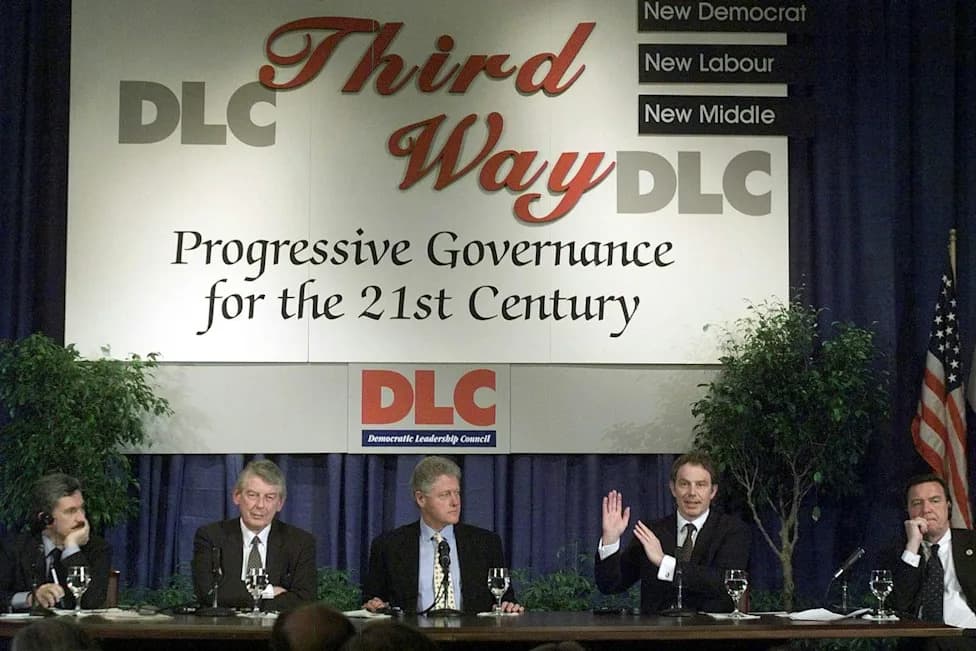
Third Way Doesn’t Care About the Democratic Party
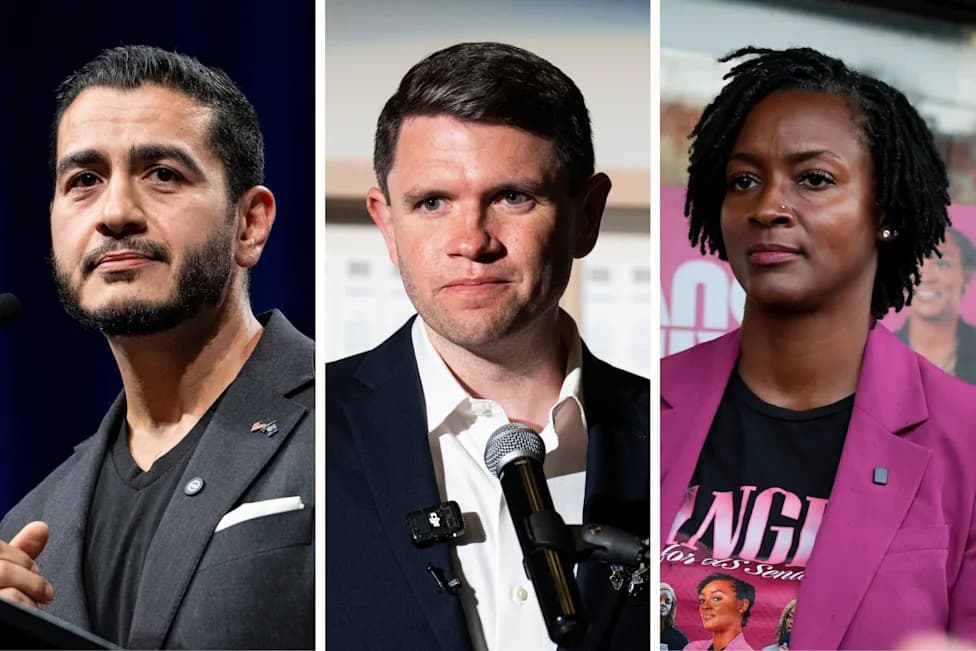
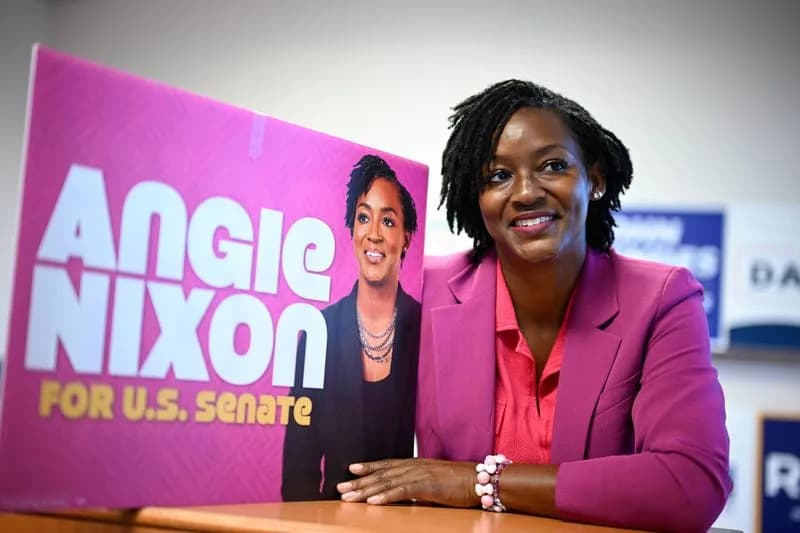
The media fuss over occasional victories by candidates linked to the Democratic Socialists of America in the 2026 cycle feels inflated. A closer look at the electorate shows that many establishment Democrats — from Xavier Becerra to Amy Klobuchar — remain competitive, and several primary winners labeled as DSA-aligned are neither members nor self-described socialists. Voters, as these races show, often want effective, authentic fighters rather than doctrinaire purity.
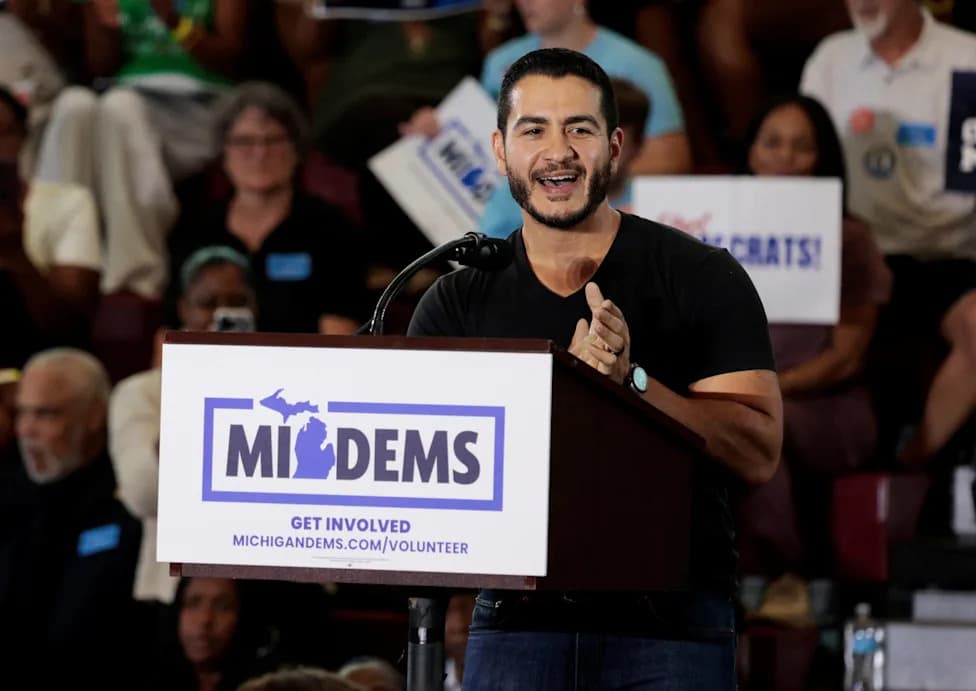
Yet no organization has reacted more angrily than Third Way. After Abdul El-Sayed won the Michigan Senate primary, the centrist group announced a pledged $15 million effort to go to 'war' against democratic-socialist candidates through 2028. Both the theatrical rhetoric and the relatively modest sum make the campaign feel petty and out of proportion to the challenge it describes.
The group's opening salvo was an op-ed by Third Way leaders Jon Cowan and Matt Bennett in The Washington Post. Their piece blames the Democratic Party's struggles on a turn toward extremism — a surprising claim given the party's recent nominees, Joe Biden and Kamala Harris. Cowan and Bennett even fault Harris for not fully abandoning positions she held in 2020, despite her evident moves toward the center during the 2024 cycle.
Out of Step With Voters
The op-ed also highlights Third Way's broader problem: a worldview frozen by priors and insufficient engagement with the issues animating Democratic voters today. The piece omits many of the hot-button matters driving activism and turnout, including the rising costs of early childhood care, local disputes over data centers, concerns about the war in Iran, and persistent anger over GOP corruption. The only recent data cited is a New York Times poll showing 62 percent of Democratic voters call themselves somewhat or very liberal and that many want 'a fighter for working people who gets things done and is authentic in his or her beliefs.' That description does not match the comfort zone of Third Way's preferred candidates.
Money, Donors, And Credibility
Critics have flagged Third Way's donor network as a structural limitation. As Robert Reich and reporting from Sludge note, the group's funding includes billionaire donors, Fortune 500 executives, corporate dark-money bundlers, and interests in health insurance that opposed policies like Medicare for All. Reich called the donor base a 'Trojan horse' of Wall Street and private-equity interests; the group has even counted Joe Manchin and Kyrsten Sinema among past honorary co-chairs. Those ties create inevitable conflicts with the policy priorities energizing much of the Democratic base.
Third Way's disconnect with ordinary voters has a documented history. Molly Ball chronicled an episode in The Atlantic in which researchers Third Way sent to Wisconsin after Trump's first victory encountered a highly partisan, skeptical electorate — but the group's published report emphasized a demand for moderation and consensus, mirroring Third Way's priors rather than the messy reality researchers observed.
What Progressives Are Doing Right
The progressive insurgents who alarm Third Way often succeed because they stick to fundamentals: listening to voters and building strong ground games. Recent reporting in The New York Times found that many successful campaigns rely on tried-and-true organizing — recruiting volunteers, harnessing protest energy, and turning it into sustained voter outreach. Local DSA-aligned officeholders who win have shown pragmatism as well, broadening coalitions beyond DSA members and embracing compromise where necessary to govern effectively.
Pragmatism Over Purity: Winning candidates combine ideological clarity with retail politics and coalition building, learning when to adapt to local realities.
Third Way could learn from those tactics, but its donor base and defensive posture make that unlikely. Instead of constructive lessons, the group's $15 million campaign risks amplifying partisan attacks that conservative media and even mainstream outlets can repurpose. By posing as a centrist arbiter, Third Way may hand opponents fresh talking points while doing little to address the issues motivating Democratic voters.
Note: This column originally appeared in Power Mad, a weekly newsletter by deputy editor Jason Linkins.
Help us improve.