Casual and part‑time roles that once gave young Britons their first work experience are dwindling, leaving many unable to find jobs. HMRC data show under‑18 payrolls fell by almost 75,000 (about 15%) in the two years since Labour took office, while more than one million young people are NEET. Businesses cite higher labour costs — including a bigger minimum wage and increased employer National Insurance — as reasons for hiring fewer 16‑ to 21‑year‑olds. Local training schemes and government funding aim to help, but experts warn of large long‑term costs for individuals and the state.
Vanishing Saturday Jobs Are Holding Back Britain’s Young People

Tomos Filer applied to more 50 jobs before he landed part-time work as a pot washer - JAY WILLIAMS
When Tomos Filer turned 16 in July last year he immediately began searching for part-time work near his home in South Wales. Nearly 12 months and more than 50 applications later, he had still struggled to find a job.
"I was applying for tons, mainly in shops and restaurants," he recalls. "I was looking online but also taking my CV into local businesses. I had one interview in McDonald's, but that was it. Most of the places which I'd applied to wouldn't even respond to me."
Tomos's experience highlights a growing problem across Britain: casual, entry-level roles that once provided young people with their first workplace experience are increasingly scarce.
Falling Numbers, Rising Concerns
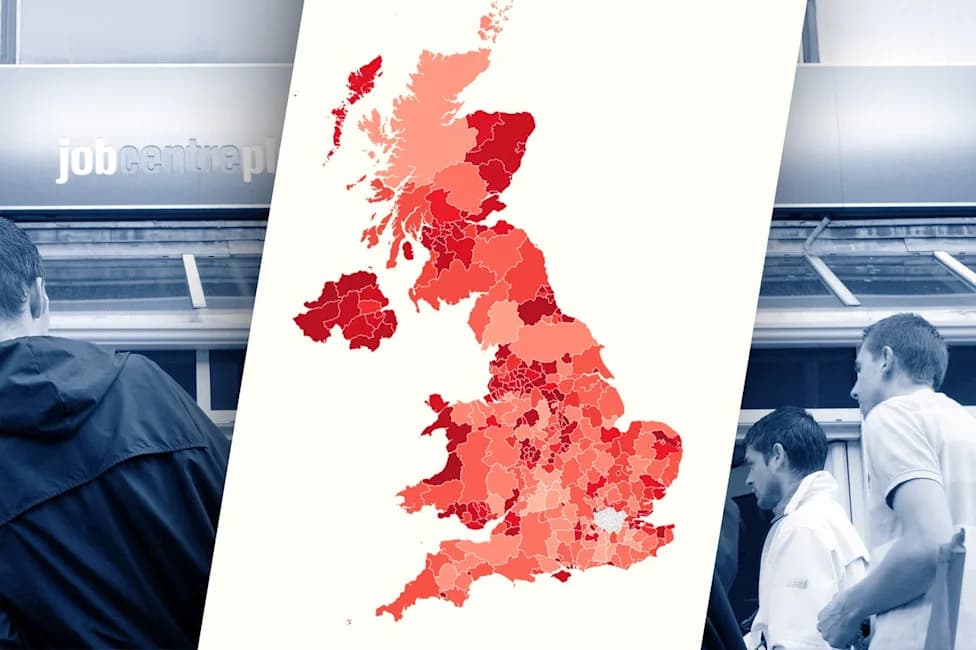
HM Revenue & Customs figures show the number of under-18s on payrolls fell by almost 75,000 — a drop of about 15% — in the two years since Labour took office. At the same time, more than one million young people are classified as not in education, employment or training (NEET).
"Most of my friends can't find a job," Tomos says. "Only two of them actually have one at the moment."
Between January and March 2026, 61% of NEETs were economically inactive, meaning they were not actively looking for work — a sign that the issue extends beyond recruitment alone.
Why Fewer Saturday Jobs?
Employers and analysts point to rising labour costs and regulatory changes as key drivers. In the 2024 Budget, Chancellor Rachel Reeves raised the employers' National Insurance rate by 1.2 percentage points and lowered the threshold for when that tax applies from £9,100 to £5,000. At the same time the national minimum wage for 18- to 21-year-olds rose by about 26% to £10.85 an hour, with a similar increase for 16- to 17-year-olds.
Those changes have increased the cost of hiring young, often part-time staff. A Jobs Foundation report found businesses shifting toward hiring more full-time, experienced workers, squeezing out the short-hour and casual roles that traditionally offered first-time work experience.
Restaurateur Tom Kerridge told researchers his kitchens used to rely on many 16-year-olds but have moved toward full-time staffing as costs have risen. "I always think it's so hard to get into those first jobs when you're very young, and I think they're very beneficial," he said.
Long-Term Consequences
Former health secretary Alan Milburn, who is leading an independent review into youth worklessness, warns of severe long-term effects. He estimates that a 24-year-old NEET who only enters the labour market today could lose up to £300,000 in lifetime earnings. The fiscal cost is significant too: analysis by the Institute for Fiscal Studies suggests nearly one in nine under-25s is on worklessness benefits.
Local Solutions And Supply-Side Progress
The problem is acute in towns left behind by industrial change. In Alfreton, Derbyshire, Christopher Nieper — who runs a family fashion business and a sixth form — says both supply and demand need addressing. "Supply is young people willing to work with the right employability skills to get a job. Demand is employers having an appetite to hire young people," he says.
The David Nieper Academy has reformed its curriculum, adding employability lessons and an annual enterprise week. The result: no students leaving the sixth form as NEETs in the past two years.
"There's this catch-22 for a young person: you can't get a job because you haven't got any experience, but you can't get any experience without a previous job," Nieper says. "That's where your Saturday job or temporary job comes in. Employers need incentives to offset rising labour costs."
Government Response
A Department for Work and Pensions spokesman said the government was "determined to ensure that every young person has the chance to earn or learn" and pointed to a £2.5 billion youth employment support package that includes cash payments to hire unemployed young people. The spokesman also noted there are no employer National Insurance contributions payable for under-21s and that ministers are pursuing major apprenticeship reforms after a decade-long decline in starts.
Tomos's Outcome
Tomos eventually found work: just weeks before his 17th birthday he secured a job washing pots at a local restaurant for £8 an hour. He is also studying electrical installation at college and hopes to begin an electrician apprenticeship.
His story illustrates both the resilience of young people and the wider structural barriers they now face when trying to access the formative, entry-level roles that used to be a stepping stone into the workforce.
Help us improve.