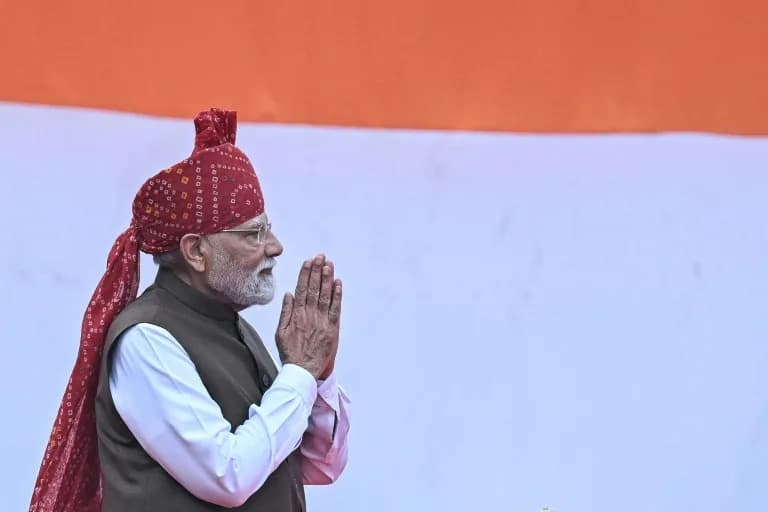
Indian Prime Minister Narendra Modi announced a new initiative to provide free online coaching for competitive examinations and large-scale AI training for young people, unveiling the plan during his Independence Day address from the Red Fort in New Delhi.
What He Announced
Speaking on August 15, Modi said the government will offer free online coaching for a range of competitive exams, saying the move is intended to reduce the financial strain on millions of families navigating India’s high-pressure education system. He also pledged that "in the next one year, one crore (10 million) youth will be given training in AI skills."
"We have decided to provide free online coaching for various competitive examinations for our youth. We have the digital public infrastructure, and we have highly talented teachers and educators," Modi said.
Context And Background
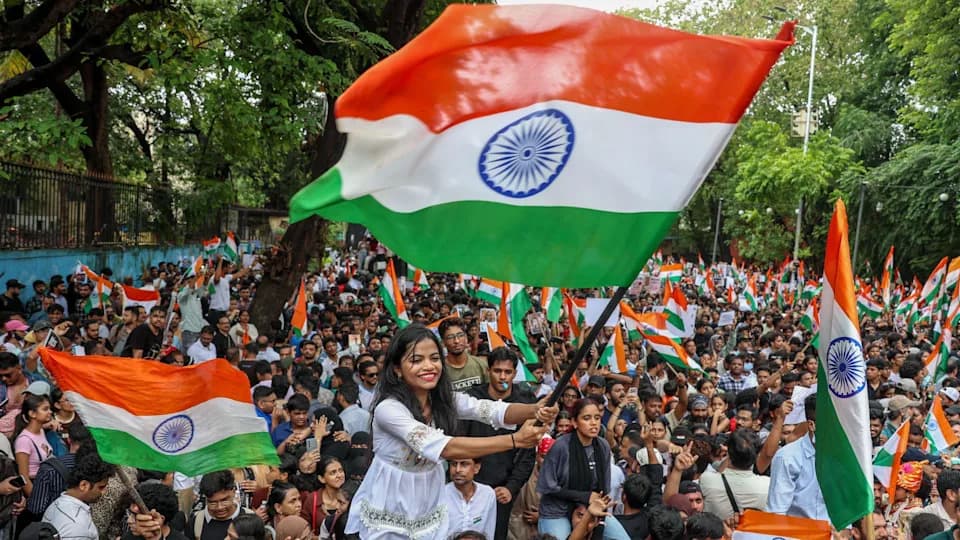
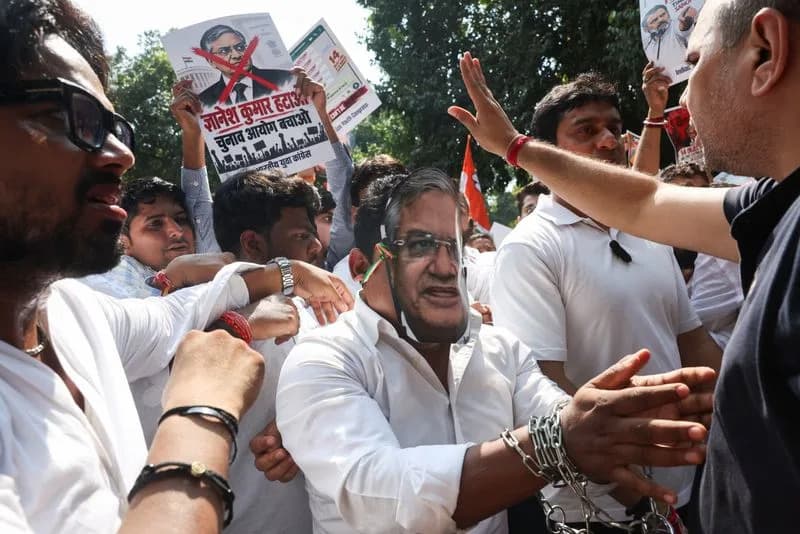
The announcement follows mass, youth-led protests that were triggered by the leak of a key medical entrance exam paper and a sequence of recruitment scandals. Those protests culminated in the resignation of Education Minister Dharmendra Pradhan and exposed deep frustration among young Indians over access to jobs and higher education.
Why It Matters
Admission to government-run colleges and public-sector jobs is widely viewed in India as a pathway to economic security, and intense competition has given rise to a large private coaching industry. Many families spend significant sums and students often invest years preparing for these exams; the new online program aims to ease those costs and let students remain near their families while studying.
Government Response And Next Steps
Since the protests, authorities have introduced measures such as tougher penalties for leaking exam papers. The government says it will leverage existing digital public infrastructure and experienced educators to roll out the free coaching, and it has set an ambitious target to equip 10 million young people with practical AI skills within a year.
Reactions: Supporters say the plan could expand access and reduce economic barriers for disadvantaged students. Critics, however, caution that implementation, quality control, and equitable access—especially in regions with limited internet connectivity—will determine whether the promise translates into meaningful change. Some observers also view the package as a political response to sustained public pressure that challenged the government.