Ian Bremmer warns that the global humanitarian safety net is fraying as major donors scale back funding and some U.S. programs report major cuts. Reduced aid is hampering responses to crises—from Ebola in the Democratic Republic of Congo to food and fuel shocks tied to geopolitical conflict—and making life far harder in fragile states like Sudan and Somalia. Bremmer argues the fallout could extend well beyond affected countries, increasing disease risk, prolonging conflicts, and driving larger refugee flows.
The Collapse of the Global Aid System: Why Falling Donor Support Threatens Us All
The collapse of the aid system
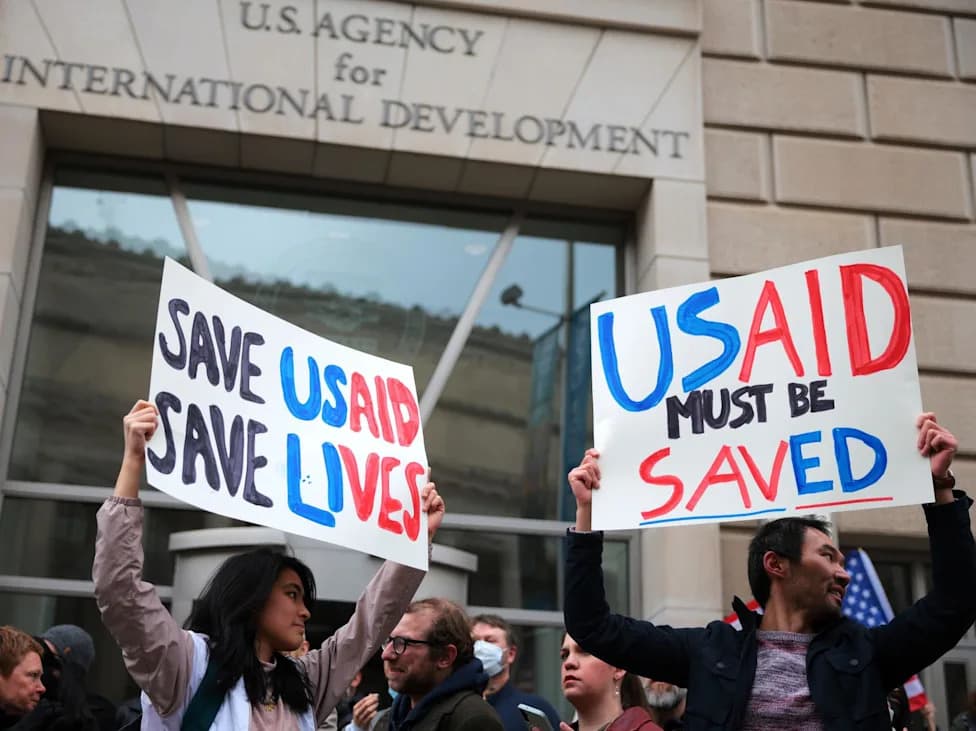
Ian Bremmer, in the "Ian Explains" segment of GZERO World, examines an alarming trend: the unraveling of the global humanitarian safety net at a time when demand for assistance is rising. For decades, international aid has helped reduce poverty, contain disease outbreaks, prevent famine, and stabilize fragile states. Now, with major donors cutting commitments—and reports of significant reductions to some U.S. programs such as parts of USAID—the capacity of the aid system is under unprecedented strain.
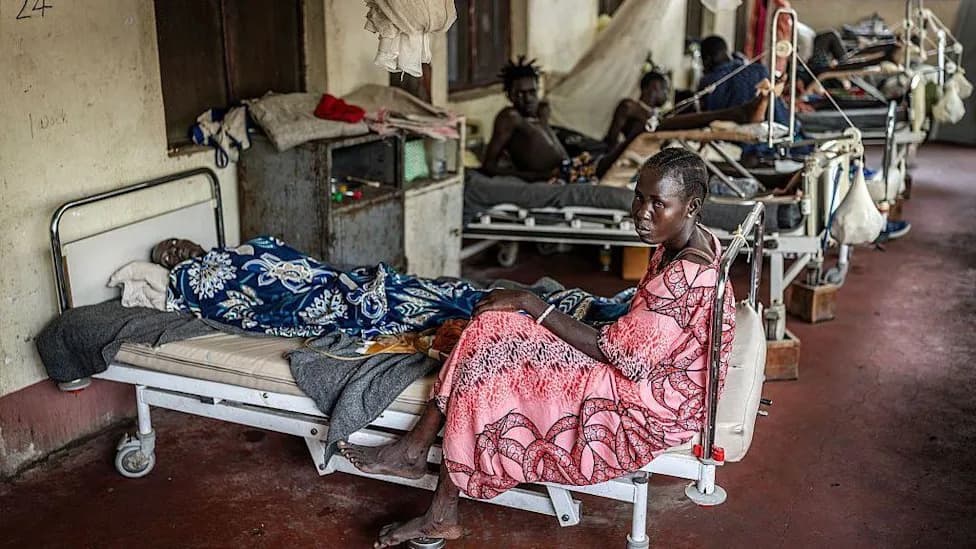
These funding shortfalls are not abstract. They limit emergency response capacity, slow epidemic containment, and cut lifesaving support to vulnerable communities. From the recent Ebola outbreaks in the Democratic Republic of Congo to spikes in food and fuel prices tied to geopolitical conflict, shrinking budgets make crises harder to manage and increase the human toll.
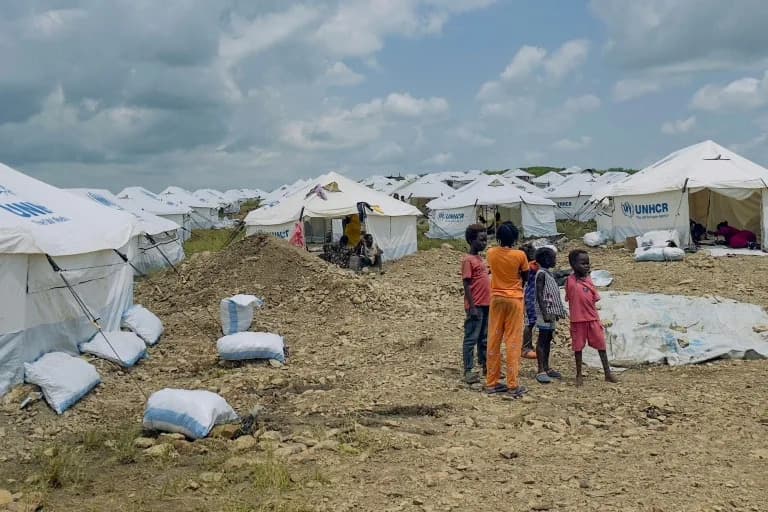
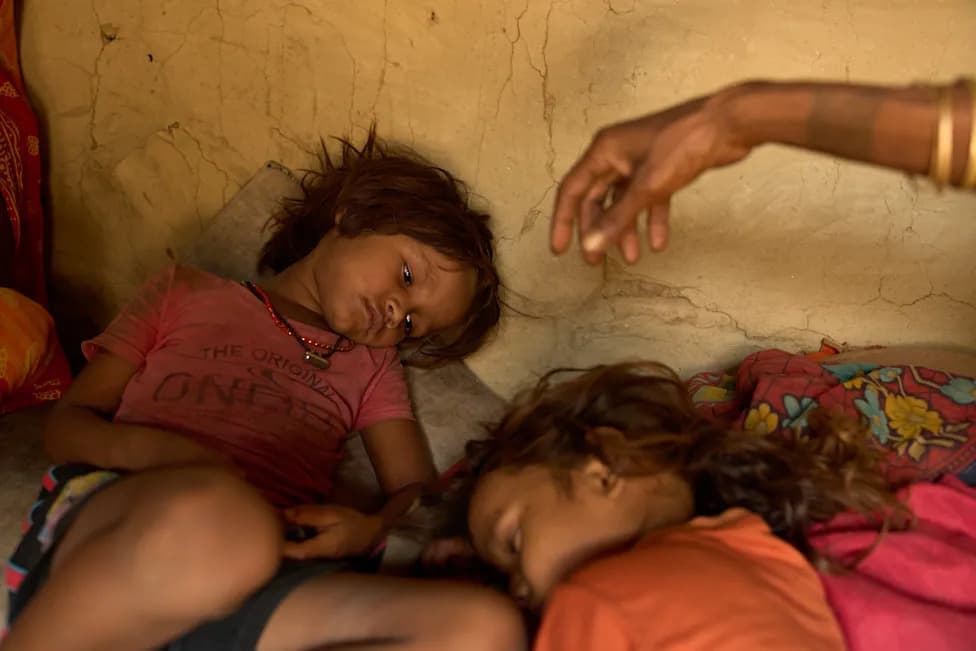
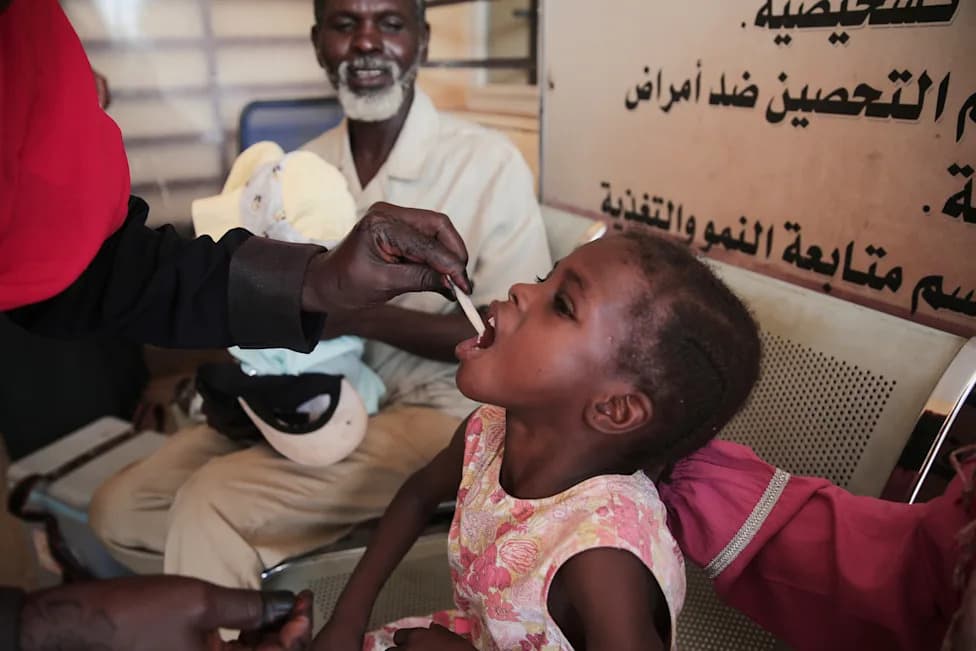
In countries such as Sudan and Somalia, where conflict and food insecurity already force millions to flee their homes, reductions in aid deepen hardship. Families face reduced access to food, health care, and shelter as long-running relief programs are scaled back or eliminated. Humanitarian agencies increasingly warn they cannot meet basic needs as requests for assistance grow.
Why this matters globally: weakened humanitarian support can allow disease to spread, prolong violence and instability, and trigger larger refugee flows that affect neighboring countries and the wider international community.
While foreign aid is sometimes dismissed as charity, Bremmer emphasizes it functions as a global commons: investments in humanitarian relief protect both vulnerable populations and broader stability. GZERO World’s week‑by‑week reporting highlights how these shifts in donor behavior could reshape geopolitical risk and humanitarian response for years to come.
Where to watch: GZERO World with Ian Bremmer airs weekly on U.S. public television stations (check local listings). New digital episodes are released on YouTube—subscribe to the GZERO channel and turn on notifications to stay updated.
Help us improve.