The UN resident coordinator in Cuba warns a sanctions-related "chill" is preventing essential aid from reaching the island as shippers, insurers and banks withdraw services for fear of US reprisals. Cancer medicines, reproductive-health kits and water-treatment equipment have been delayed, diverted or returned to suppliers. Cuban data show infant deaths have more than doubled and child cancer survival rates have fallen from 85% to 65%. The UN says fuel shortages and blackouts are disrupting water access for about 3.5 million people and officials fear hurricane season could worsen disease risks.
UN: Sanctions 'Chill' Is Blocking Vital Humanitarian Aid to Cuba
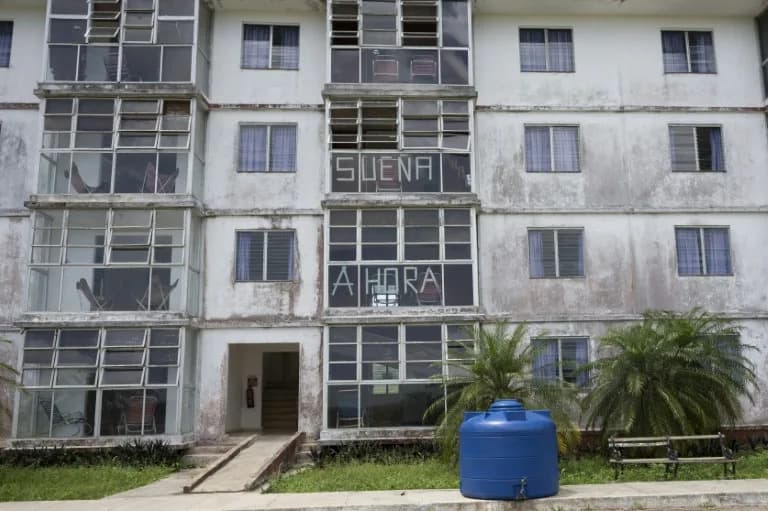
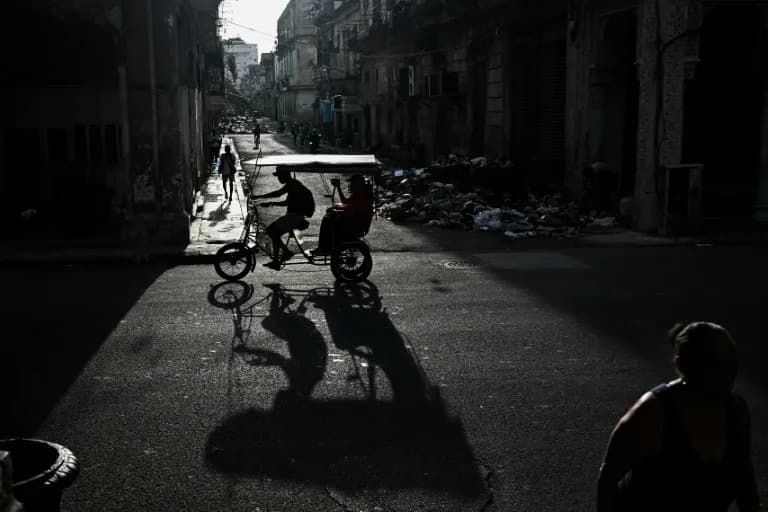
Conditions have deteriorated dramatically in Cuba (Pablo PORCIUNCULA)
The top United Nations official in Cuba has warned that crucial humanitarian supplies are not reaching the island because shipping, insurance and finance firms fear punitive action from the United States — a fear he described as an "overcompliance" with sanctions that is delaying or diverting deliveries of cancer medicines, reproductive-health kits and water-treatment equipment.
Aid Disruptions and Examples
Francisco Pichon, the UN resident coordinator in Cuba, told AFP that shippers, insurers and banks often "respond to the risk of sanctions by simply withdrawing from providing those services," forcing aid agencies to reroute cargo and postpone shipments meant for hospitals, schools and clinics.
Pichon cited specific incidents: a refrigerated shipment of medicine for childhood cancer failed to arrive because refrigerated transport could not be secured in time; reproductive-health kits for pregnant women were returned to suppliers; and containers of medicines and school supplies were diverted rather than forwarded to Cuba.
Worsening Basic Services
Since January, the United States has effectively tightened fuel access to the island, contributing to rolling blackouts and a severe deterioration of essential services. Only one fuel tanker is known to have arrived in the past seven months, though some limited private fuel sales from the United States have increased.
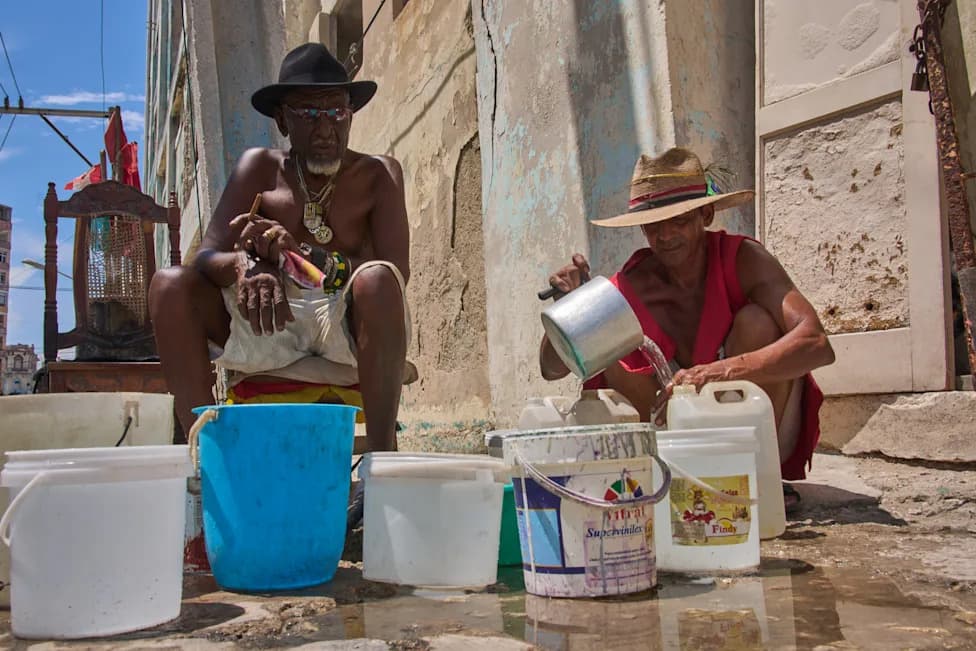
As a result, water-pumping systems are under strain: the UN estimates about 3.5 million people face interruptions to drinking-water supplies, and roughly 1 million depend on tanker-truck deliveries because pumping systems lack fuel and electricity.
Humans Costs
Cuban government data cited by the UN indicate the crisis is rapidly accelerating. Infant deaths are believed to have more than doubled, and survival rates for children with cancer have fallen from 85% to 65%. "What initially affected the most vulnerable groups is now affecting the population much more broadly," Pichon said.
Residents describe mounting hardship: "There is no food for us elderly people," said 68-year-old Havana resident Jose Antonio Ortega, a retired truck driver. "My pension isn't enough for anything. I have nothing to eat or drink in the morning."
Operational Strain on UN Relief
Pichon warned that the situation is affecting UN relief efforts as well: the agency has been forced to secure increasingly scarce fuel through private channels to maintain its operations. With the Caribbean hurricane season under way, UN officials fear the vulnerability of water and sanitation systems could precipitate disease outbreaks.
"What we are seeing is that humanitarian risks are being translated into humanitarian impacts," Pichon said, warning that conditions have continued to deteriorate over recent months.
The UN continues to call for measures to ensure humanitarian exemptions are respected and for private-sector actors to be reassured that they can deliver lifesaving supplies without fear of retaliation.
Help us improve.