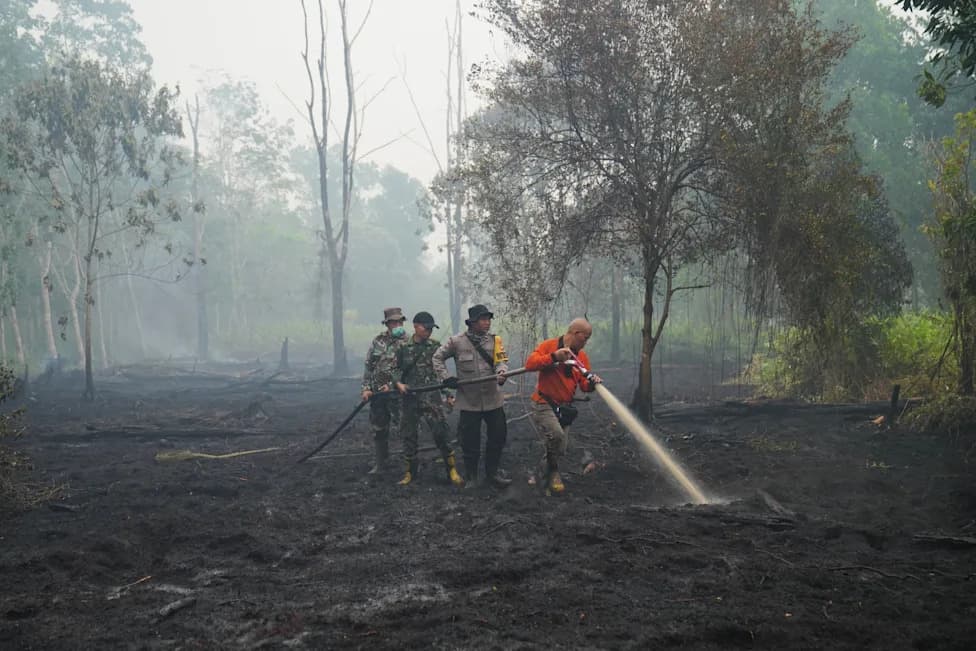
Extreme heat now kills roughly 489,000 people annually. Nine countries — including Pakistan, India, Sudan and South Sudan, Gulf states, Iran, Bangladesh, Chad, Mexico and the Philippines — face particularly acute near-term risk because of the interaction of heat, humidity, poverty and population density. Near-term projections suggest hundreds of millions could face prolonged dangerous heat by 2030, and recent attribution studies show many extreme events are already being made more likely and hotter by climate change. Faster adaptation and emissions cuts are urgently needed.
The 9 Countries Most Exposed to Deadly Heat — Why Risk Is Rising and What Can Help
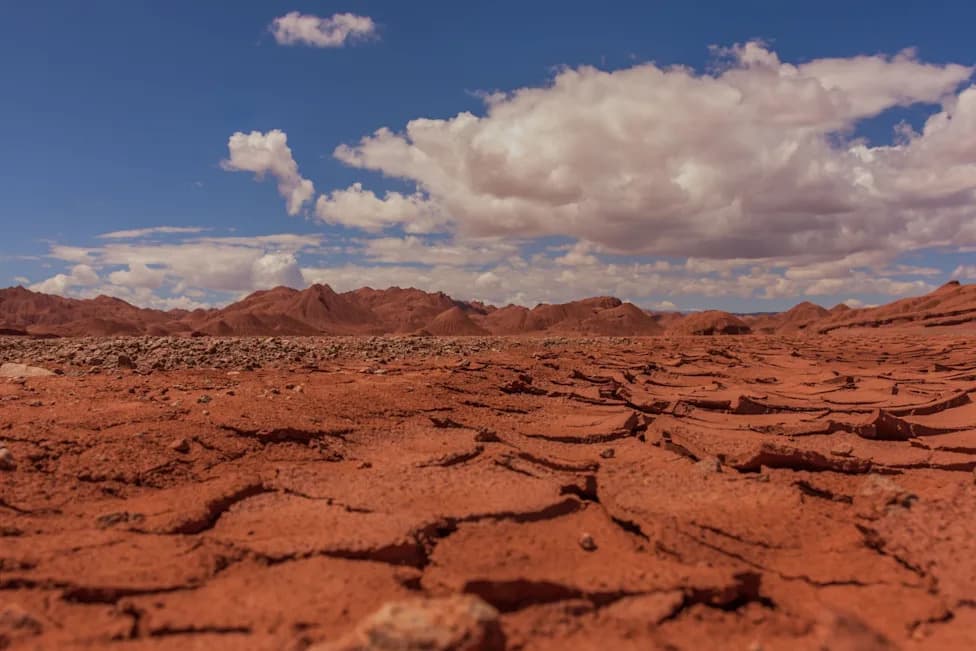
Image credits: Pexels
Extreme heat rarely produces the dramatic images of hurricanes or earthquakes, but it is now the deadliest climate hazard on Earth. Around 489,000 deaths are attributed to extreme heat each year, outpacing floods, storms, earthquakes and wildfires combined. Geography, humidity, poverty, dense populations and weak cooling infrastructure combine to create acute, recurring crises across a small number of especially vulnerable countries.
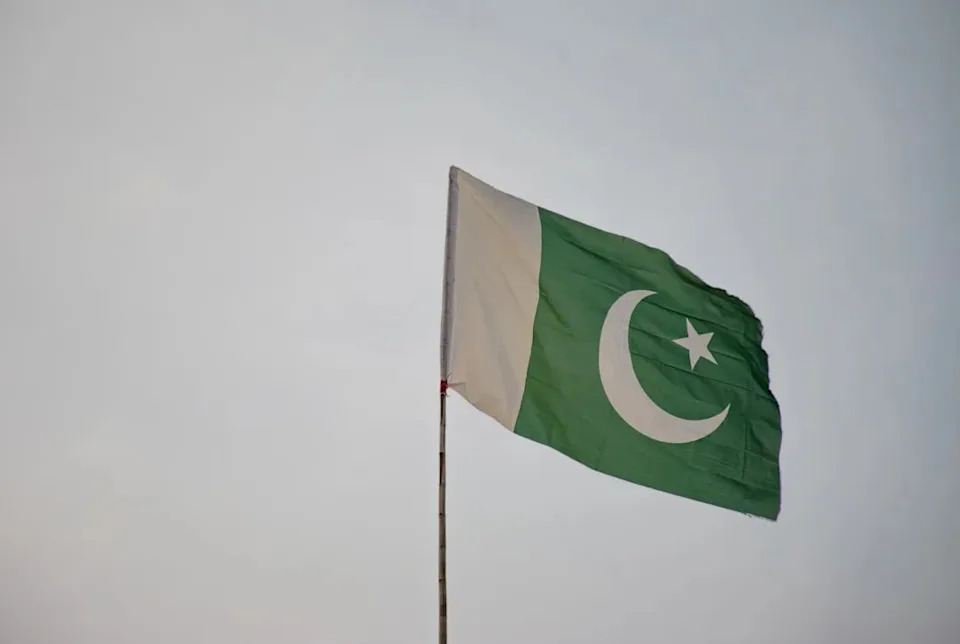
Pakistan: living on the edge of survivable heat (Image Credits: Unsplash)
Why These Nine Countries?
We focus on countries where recent observations, peer-reviewed analyses and demographic trends converge: intense heat already occurring at or near physiological limits; large populations exposed; and limited capacity to protect people. Below are concise country-by-country profiles of the near-term threats and notable data points.

You can stay in a stunning palace in India using Marriott Bonvoy points (Featured Image)
Pakistan: Living on the Edge of Survivable Heat
Pakistan exemplifies the danger of combined heat and humidity. Modeling by The Washington Post and CarbonPlan projects that cities like Jacobabad could see dangerously high wet-bulb conditions for roughly a third of the year by 2030. Nearly 190 million people in Pakistan may face at least one month of extreme-heat exposure by 2030, and parts of Sindh reached recorded air temperatures of 52°C in 2024, with wet-bulb readings that have already approached the 35°C danger threshold.
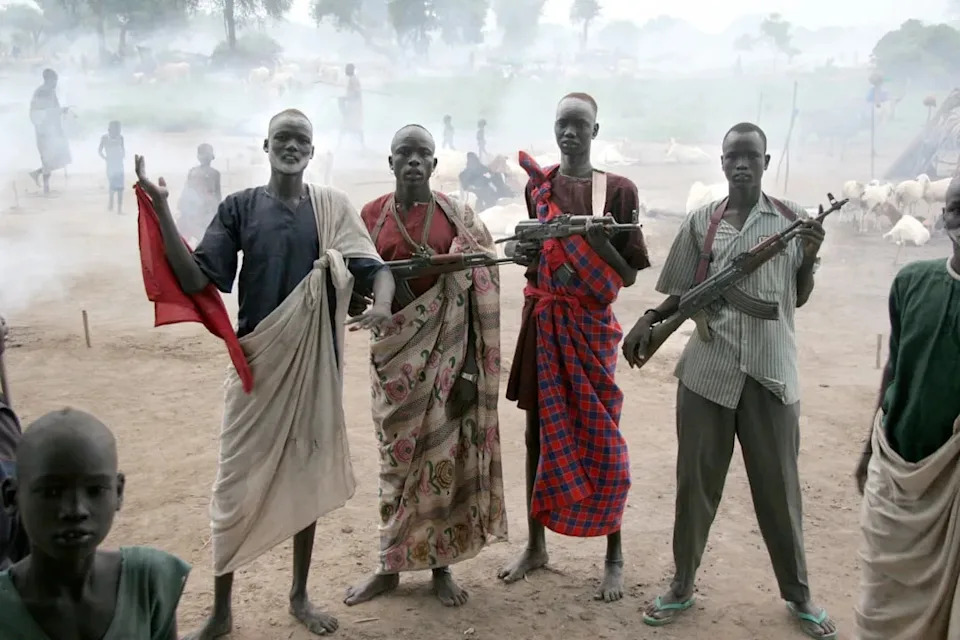
Sudan and South Sudan: heat without the safety net (Image Credits: Unsplash)
India: Scale Makes Heat a National Crisis
India’s scale magnifies risk: about 270 million people could experience a month or more of extreme heat by 2030. The April 15–29, 2026 heatwave provided a worrying preview — attribution studies estimate it was roughly 3× more likely and about 1°C hotter because of human-driven climate change. Scientists warn similar events could recur every two to three years at higher warming levels.

Saudi Arabia and the Gulf states: nearing the limits of human tolerance (Image Credits: Unsplash)
Sudan and South Sudan: Heat With Little Safety Net
Sudan and South Sudan combine high exposure with very limited adaptive capacity. In February 2025 South Sudan closed schools for two weeks after children collapsed from heatstroke. Many households lack electricity, fans or reliable clean water, and modeling already projects more than one million people in Sudan could face prolonged dangerous heat by 2030 — a figure made harder to address by ongoing instability.
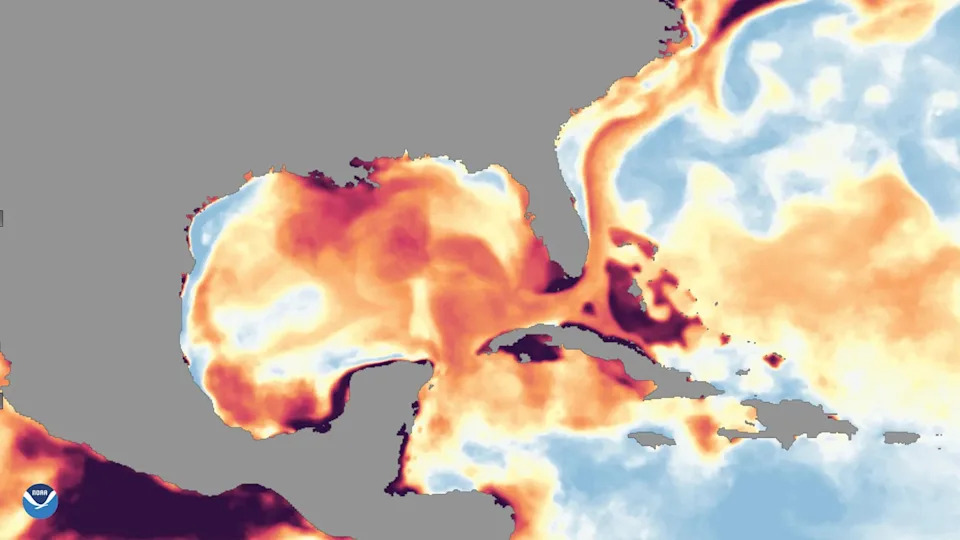
Iran: the Persian Gulf's humid heat problem (Extreme Ocean Temperatures Are Affecting Florida's Coral Reef,Public domain)
Saudi Arabia and Gulf States: Nearing Physiological Limits
The Arabian Peninsula has reached alarming extremes. During the 2024 Hajj, temperatures at the Grand Mosque in Mecca hit 51.8°C, and in May 2025 Dubai recorded 51.6°C on consecutive days. Millions of migrant construction and industrial workers in Saudi Arabia, the UAE, Qatar and Kuwait face continuous, life-threatening exposure, and experts say current calendar-based work bans are insufficient protection.
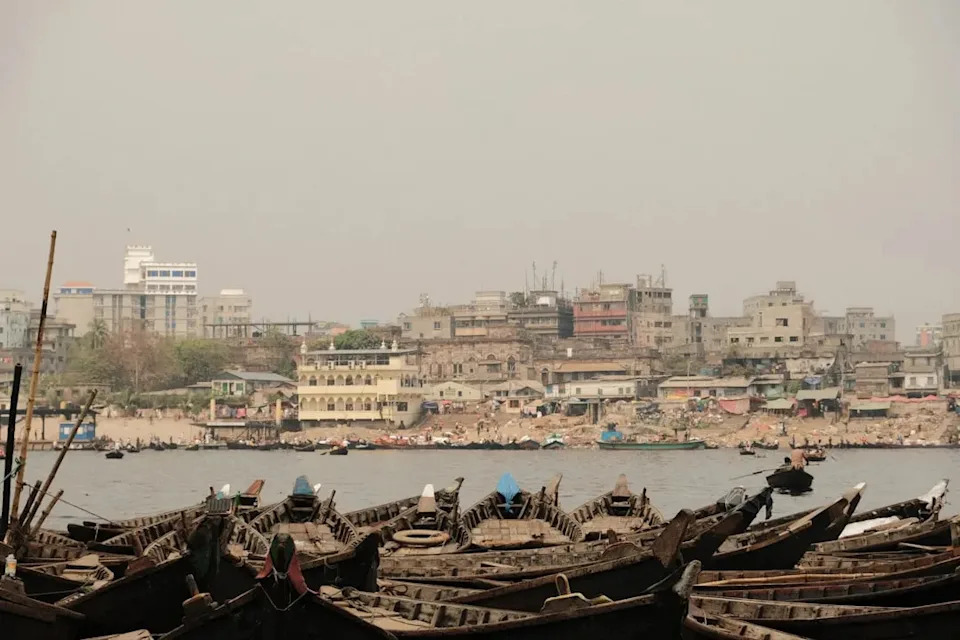
Bangladesh: dense population meets rising humidity (Image Credits: Unsplash)
Iran: Persian Gulf Humidity Amplifies Danger
Warm, shallow Persian Gulf waters pump humidity inland, raising wet-bulb risks along Iran’s southwest coast. On July 31 in Bandar Mahshahr, the wet-bulb temperature reached 34.6°C, narrowly below the frequently cited survivability threshold. Some studies project parts of the Middle East could regularly exceed a 35°C wet-bulb threshold by the 2070s absent deep emissions reductions.
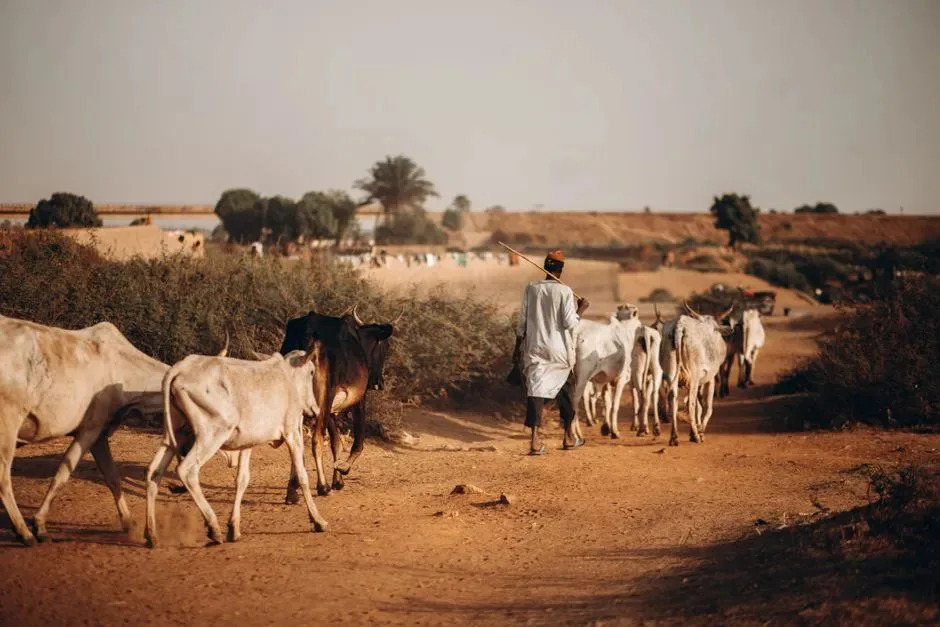
Chad and the Sahel: extreme heat meets extreme poverty (Image Credits: Pexels)
Bangladesh: Density, Coastal Heating and Humidity
Bangladesh combines extreme population density with coastal humidity. Warming coastal waters are estimated to drive roughly half to two-thirds of the observed rise in large humid heatwaves, raising risks for densely populated coastal regions. The 2024 Asian heatwave led to hundreds of deaths across the region and highlighted how coastal heating amplifies human exposure.
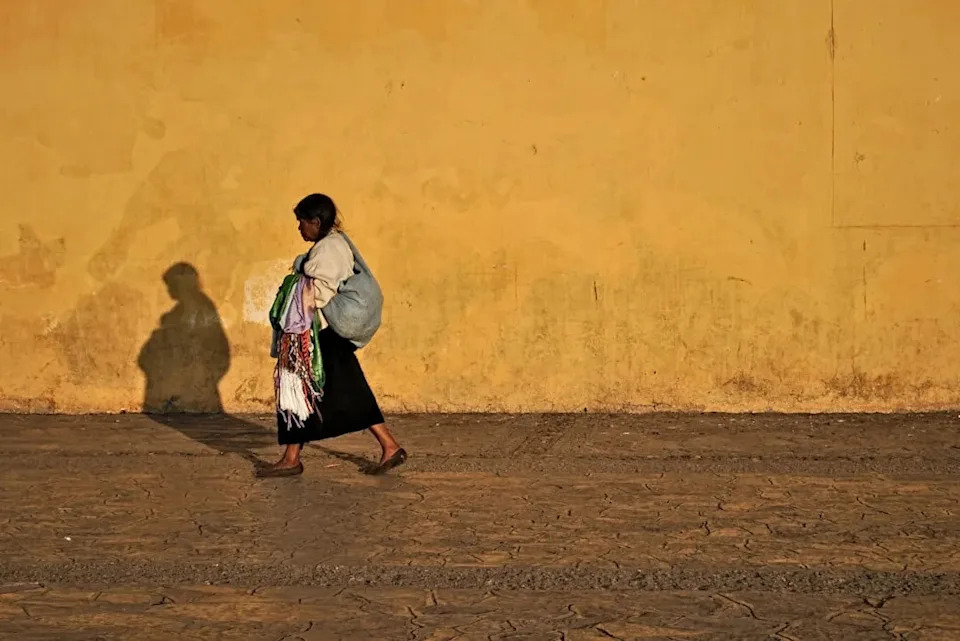
Mexico: drought and heat arriving together (Image Credits: Unsplash)
Chad and the Sahel: Extreme Heat and Limited Resources
Chad and neighboring Sahel countries face recurring compound crises: heat, food insecurity and fragile health systems. A major west/central Africa heatwave (Dec 14–30, 2024) was assessed as at least 15× more likely because of climate change, intensifying pressure on already vulnerable populations and services across the Sahel.

The Philippines: humid heat in a storm-battered nation (Image Credits: Unsplash)
Mexico: Drought and Heat Compounded
Mexico’s risk comes from the intersection of prolonged drought and rising temperatures. In 2024 persistent spring heat and drought caused severe water shortages and dozens of deaths. Climate projections indicate more than one million people in Mexico could face extended dangerous-heat exposure by 2030, with northern desert states and expanding urban areas especially affected.
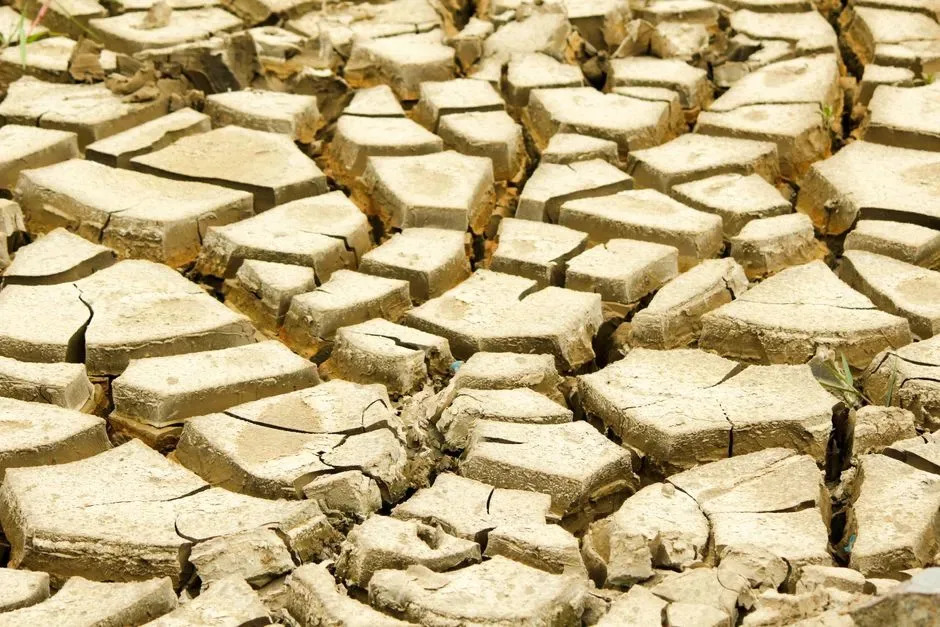
Final thoughts (Image Credits: Pexels)
The Philippines: Humid Heat in a Storm-Battered Archipelago
The Philippines contends with overlapping hazards: typhoons and intense, sustained heatwaves. A 15-day April 2024 heat event was among the region’s longest studied that year and contributed to hundreds of deaths across multiple countries. Dense urban centers, high humidity and storm exposure make heatwaves particularly disruptive to health, education and agriculture.
Final Thoughts
These nine cases reveal a shared pattern: heat becomes lethal when high temperatures intersect with humidity, poverty, population density and infrastructure unprepared for sustained extremes. The burden is uneven — wealthy Gulf states appear on the same lists as low-income Sahel nations for very different reasons.
Not inevitable: Heat action plans, early warnings, upgraded housing, labor protections and access to cooling and water have already reduced mortality in several places. But recent data show the window for incremental fixes is narrowing rapidly; faster, larger-scale adaptation and emissions reductions are essential.
Help us improve.