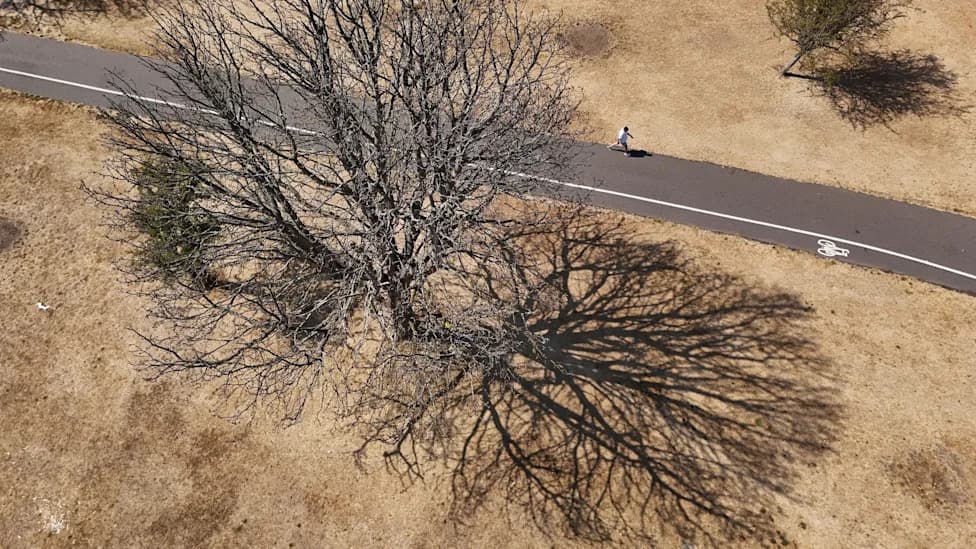
Before-and-after photos from Paris and a peer-reviewed study show the city’s most vegetated districts had a 23.5% lower risk of heat-related death than the least vegetated. If every district matched the greenest one, heat-attributable deaths could fall by as much as 38%. Trees cool streets through shade and transpiration, improving health, air quality and comfort; cities from Louisville to New York are expanding tree canopy to fight urban heat.
How Greener Paris Streets Cut Heat-Related Deaths — Trees Linked to 23.5% Lower Risk
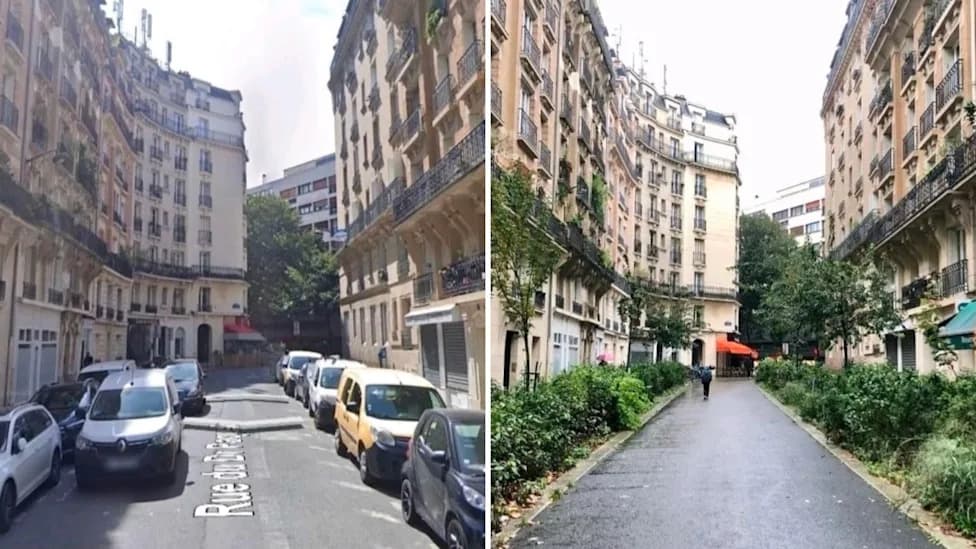
Photo Credit: Instagram
Paris is showing how relatively small street-design changes — swapping parked cars and asphalt for trees and planted strips — can reduce urban heat and improve public health.
Content creator Louis de Jaeger (@louis.de.jaeger) shared striking before-and-after photos on Instagram along with data from a peer-reviewed study that compared vegetation and heat-related deaths across all 20 Paris arrondissements.
"A peer-reviewed study across all twenty Paris arrondissements found that the most vegetated districts had a 23.5% lower risk of heat-related death than the least vegetated ones," De Jaeger wrote. "If every district reached the vegetation level of the greenest one, heat-attributable deaths could have been cut by up to 38%."
How Trees Cool Streets
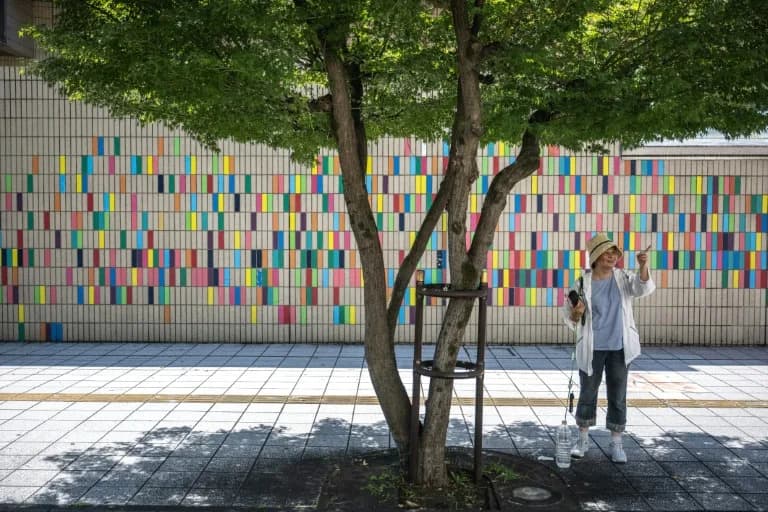
Trees and vegetation reduce heat in two important ways: shade lowers surface temperatures on pavement and buildings, and plant transpiration releases moisture that cools the surrounding air. Replacing rows of parked cars and expanses of asphalt with planted strips and street trees can change microclimates across entire neighborhoods, not just on a single block.
Health, Equity and Economic Effects
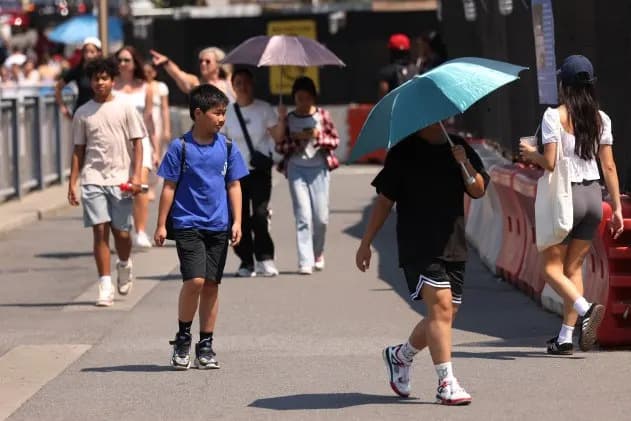
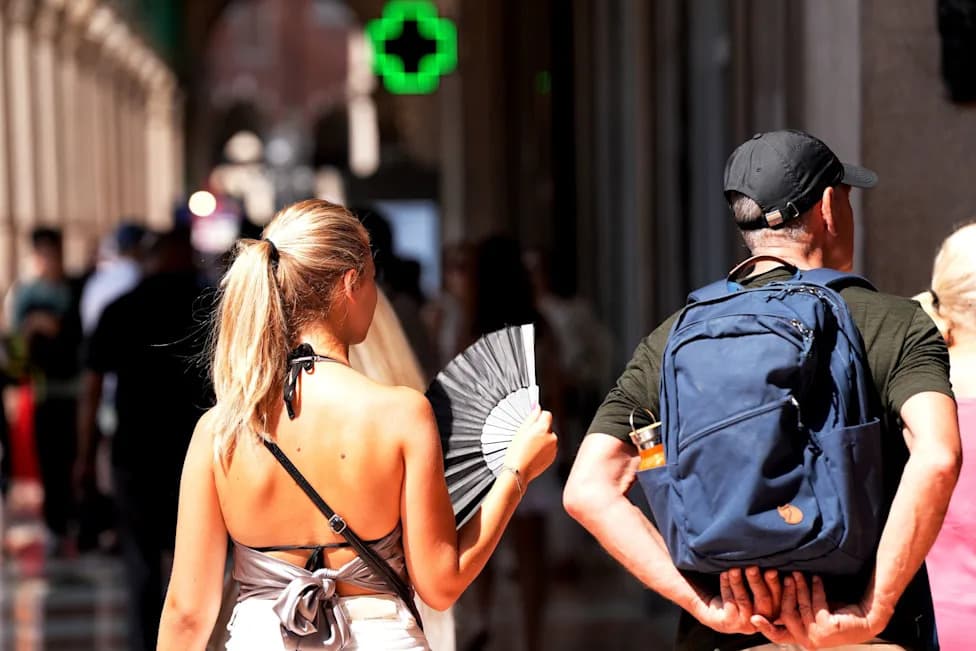
Hotter streets raise the risk of heat-related illness and death, especially for older adults, outdoor workers and households without reliable air conditioning. Increased heat also makes walking and cycling less safe or comfortable, and drives up cooling bills. Greener streets improve air quality, create more pleasant public spaces, and shift priorities from storing vehicles to serving people.
Examples From Other Cities
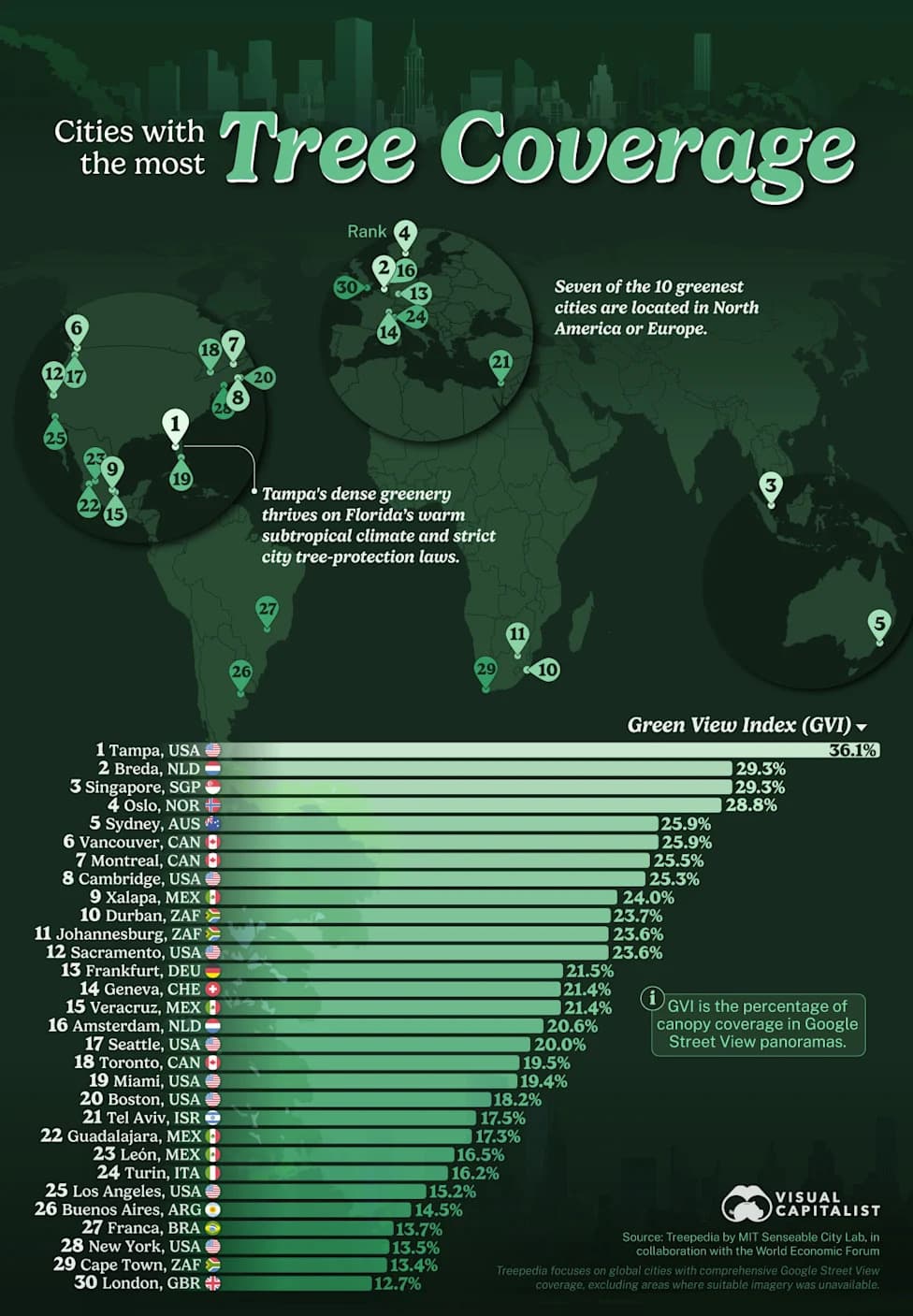
Cities worldwide are testing similar strategies: a nonprofit in Louisville, Kentucky, has stepped up tree planting to combat canopy loss and rising temperatures, and New York City has set a target of 30% tree canopy cover by 2040. These examples show that coordinated planting and street redesign can scale benefits across neighborhoods.
Why Street-Level Design Matters
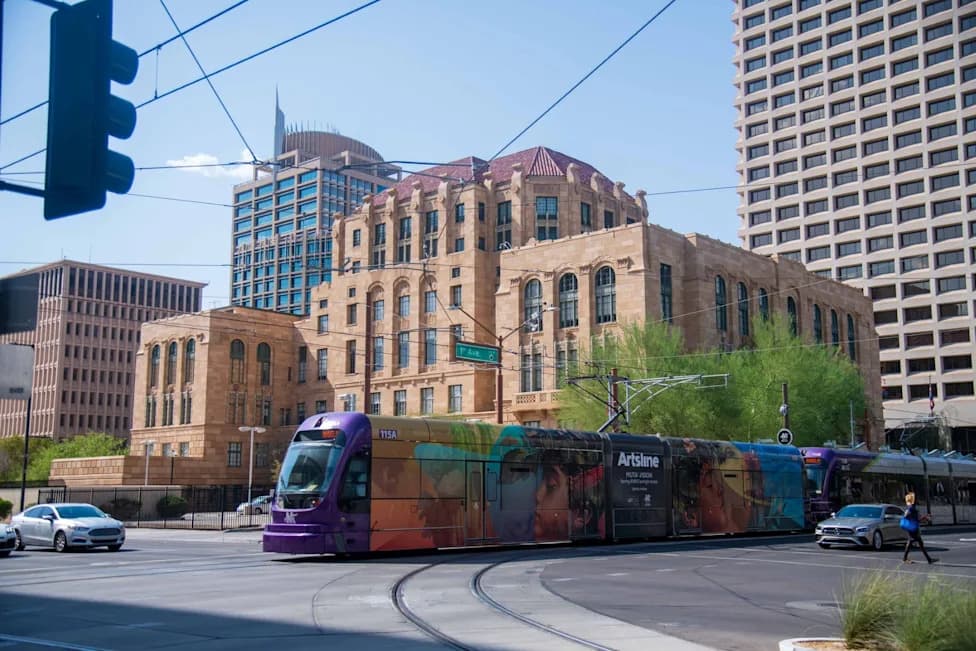
Urban heat is a systemic challenge, but local design choices — where sidewalks, parking and planted areas are located — can have measurable effects on how dangerous hot days become. Combining canopy expansion with policies that protect tree survival and prioritize vulnerable neighborhoods can magnify the public-health gains.
Takeaway: The Paris photos and peer-reviewed analysis reinforce that planting trees and reclaiming asphalt for people-focused green space is a practical, evidence-backed way to reduce heat-related harm in cities.
Help us improve.