The public revolt against Flock Safety’s AI-driven surveillance cameras has become an energetic, cross-partisan movement that mixes protests, packed council meetings, and — controversially — acts of vandalism. Reporting by the Electronic Frontier Foundation and 404 Media alleges police use of Flock databases to track protesters and individuals, sometimes with non-plate descriptors. Activists are pushing cities to cancel contracts, using transparency laws and public maps of camera locations; critics warn the movement risks being co-opted by partisan actors. The uprising signals a broader fight over surveillance, corporate power, and democratic oversight of technology.
The Flock Uprising Is Just the Beginning: Public Pushback Against AI Surveillance

Flock Safety cameras have many Americans seeing red. Illustration by Salon / Getty Images / The Washington Post / SOPA Images
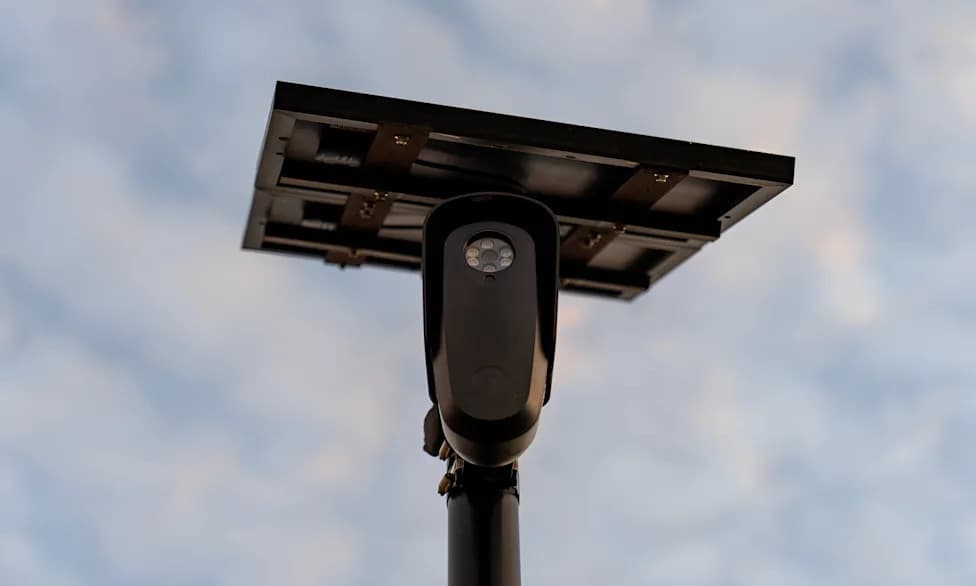
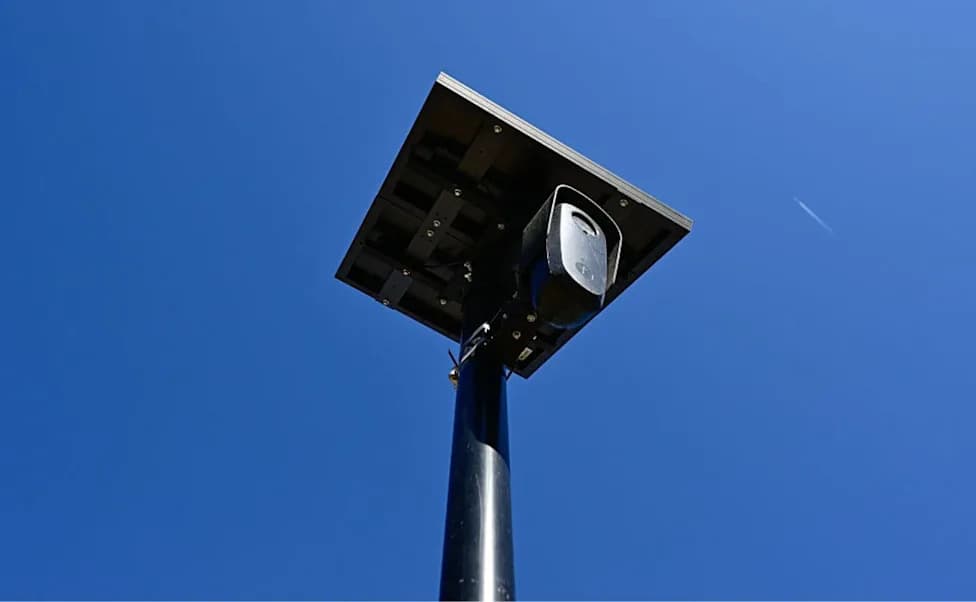
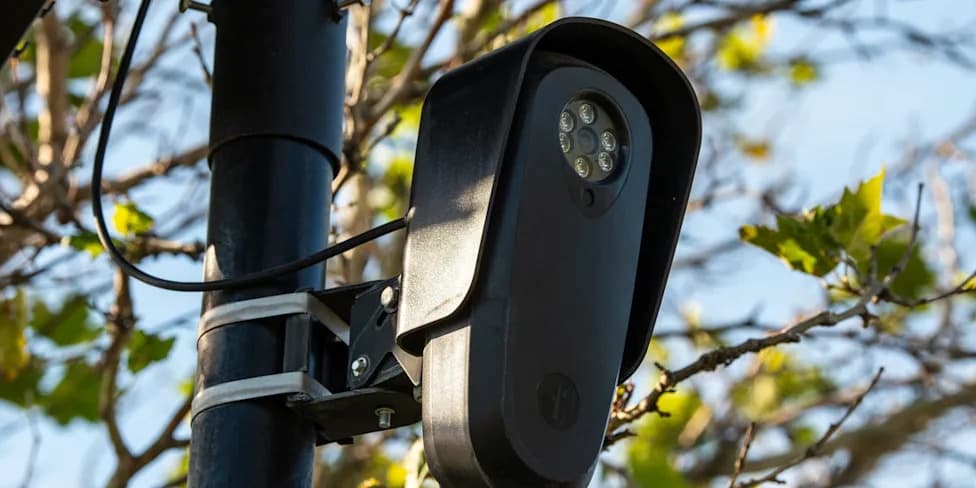
In a news landscape often dominated by grim headlines, the growing public revolt against Flock Safety’s surveillance cameras stands out for how vivid — and sometimes unexpectedly defiant — it has become. Marketed to local governments as simple "license-plate readers," these AI-enabled systems have spawned a national cat-and-mouse game between vandals and police, mobilized packed city council meetings, and energized cross-partisan protests that many people are following closely on social media.
A Viral Moment in Huntington
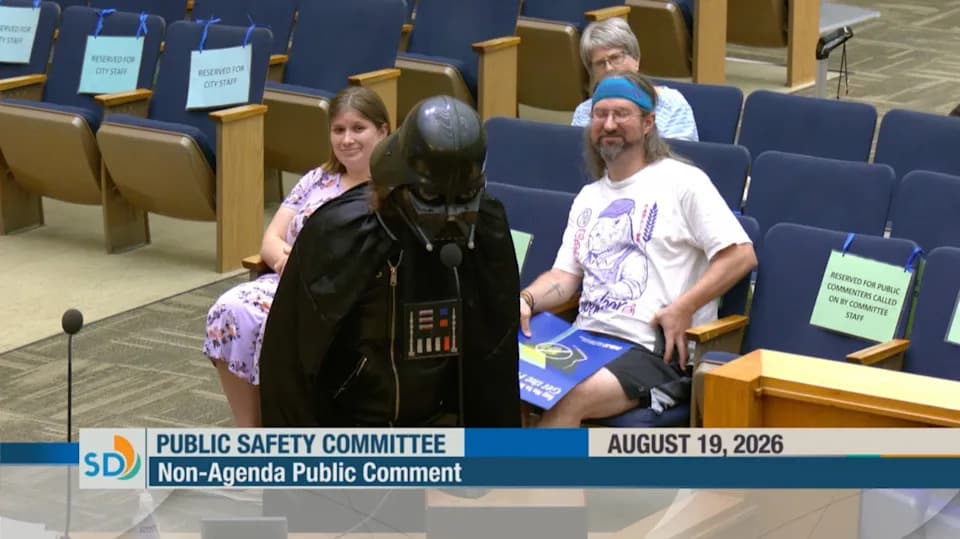
One memorable moment came in Huntington, West Virginia, when a resident told a city council meeting,
"I'm not gonna waste your time; I'm kinda hungry. But one last thing: Every single Flock camera has about 2-3 pounds of copper and about 1-2 grams of gold. Do with that information what you will."His remark, delivered with dry humor, quickly became a viral emblem of the movement.
Privacy Concerns and Allegations
Critics say the controversy goes well beyond nuisance speeding tickets. Investigations and reporting have raised troubling allegations: a lengthy review by the Electronic Frontier Foundation and reporting by outlets such as 404 Media indicate that some police departments have used Flock databases to track protesters and individuals — sometimes adding subjects to a searchable national database and using non-plate descriptors such as clothing, race, gender and body type.
Former Flock employee Jonathan Paz has alleged company misrepresentations to municipal customers and described a secret pilot program that purportedly assisted immigration enforcement; Flock has said it will revise policies, but skeptics urge caution about relying on corporate promises alone.
Why This Resonates
For many, the Flock cameras crystallize larger anxieties about the role of technology in civic life. Scholars and critics argue that tech companies increasingly design and deploy systems with limited public oversight, allowing private actors to collect and monetize data while governments can outsource controversial surveillance tasks. As Stanford professor Adrian Daub observed, the interplay between private tech firms and state actors is particularly alarming because it obscures responsibility for how data are used.
How People Are Fighting Back
Citizens and advocacy groups have several practical leverage points. Because Flock operates through municipal contracts, residents can pressure local officials to avoid or cancel agreements. Transparency laws have helped reporters and watchdogs reveal abuses, and activists are building public maps of camera locations to inform communities and coordinate responses.
The Vandalism Debate
The most visible and contentious tactic has been vandalism. While illegal and sometimes dangerous, these acts have a symbolic power: they remind the public that surveillance systems are physical devices that can be resisted. Detractors caution that vandalism can distract from lawful strategies and be co-opted by those with less principled aims.
Risks Of Co-Optation
There is a real risk the movement could be hijacked by political actors seeking to redirect energy or spread conspiracy theories. Some right-wing commentators have already started to claim the anti-Flock outrage for partisan narratives, which could both inflame public sentiment and shield the actual corporate and political forces behind surveillance expansion.
What Comes Next
The Flock uprising is less a single victory than an opening skirmish in a broader debate about privacy, corporate power, and democratic oversight of technology. Whether this energy leads to durable policy changes will depend on continued public pressure, investigative reporting, legal challenges, and local civic engagement.
What You Can Do: Check local transparency records, attend municipal meetings, support watchdog reporting, and advocate for clear rules governing surveillance technology and data use.
Help us improve.