The article argues that James Carville and the Third Way centrist playbook have outlived their usefulness. Carville, who helped shape Bill Clinton's 1992 campaign, still counsels moderation and often criticizes progressives, yet recent primary wins by figures such as Abdul El-Sayed, Zohran Mamdani and Alexandria Ocasio-Cortez show rising momentum for bolder, left-leaning policies. The author contends that the Democratic Party should move past reflexive triangulation and allow newer voices and ideas to set the agenda.
Time for James Carville to Step Back: The Third Way’s Moment Has Passed
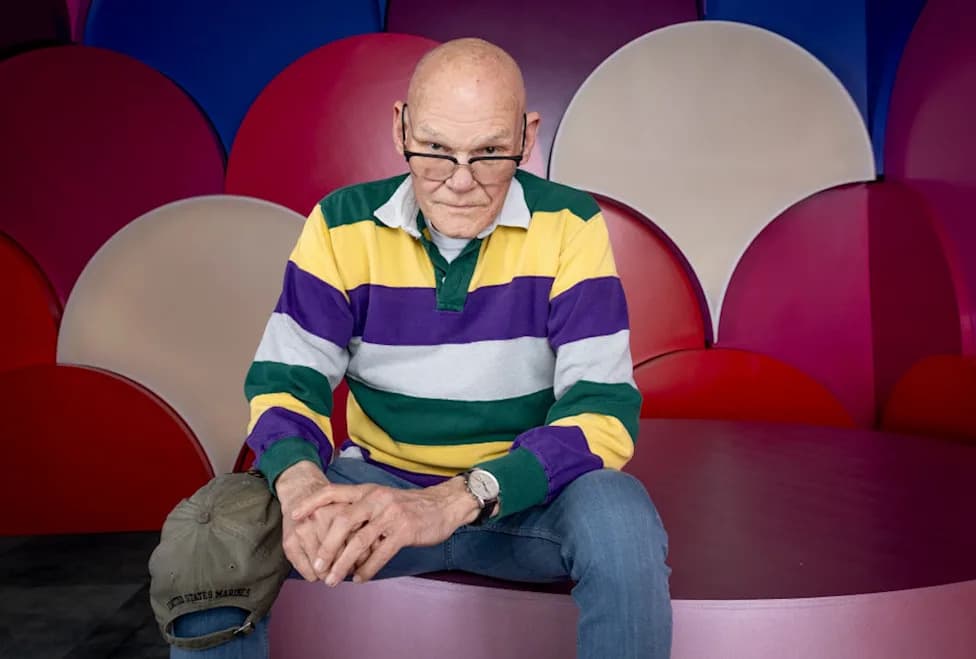
Political strategist James Carville was one of the architects of Bill Clinton's Third Way approach to politics Emma McIntyre/Getty Images for SCAD
For much of the 20th century, American electoral politics followed two clear scripts: conservatives defended traditional hierarchies and the status quo, while liberals championed expanded rights, stronger labor protections and a more robust federal safety net. Each side relied on loyal constituencies—family-value voters for conservatives and unions and activists for liberals—to translate those commitments into votes.
By the late 1980s a third path emerged. Proponents of the so-called "Third Way" urged center-left politicians to embrace market-friendly policies, weaken some labor protections and tighten welfare rules in hopes of attracting moderate voters. Over the next four decades, that triangulating playbook produced a generation of candidates and pundits who dismissed calls for bold reform as naive and insisted pragmatism meant moving toward the center.
Few figures have come to symbolize that approach more than James Carville. The "Ragin' Cajun" rose to national prominence in 1991 advising Bill Clinton to center his campaign on the struggling economy while reshaping welfare policy. Clinton's 1992 victory elevated Carville to kingmaker status and made triangulation conventional wisdom inside Democratic strategy circles.
But Carville's formula has limits. A charismatic candidate facing an unpopular incumbent in a weak economy is a specific historical circumstance, not a universal blueprint. Subsequent presidential contests and the shock of 2016 exposed how fragile the Third Way's advantages can be without exceptional political conditions or exceptionally magnetic personalities.
Now 81, Carville remains a media mainstay, quick to denounce the party's progressive flank and to counsel moderation. He has criticized left-wing media figures, urged the party to moderate its stances on issues from transgender rights to police reform, and even suggested the Democrats consider a schism after recent primary upsets.
"I actually do think it's time for Democrats to talk the 's' word: schism," Carville said. "There's just some s**t I can't be in the same tent with."
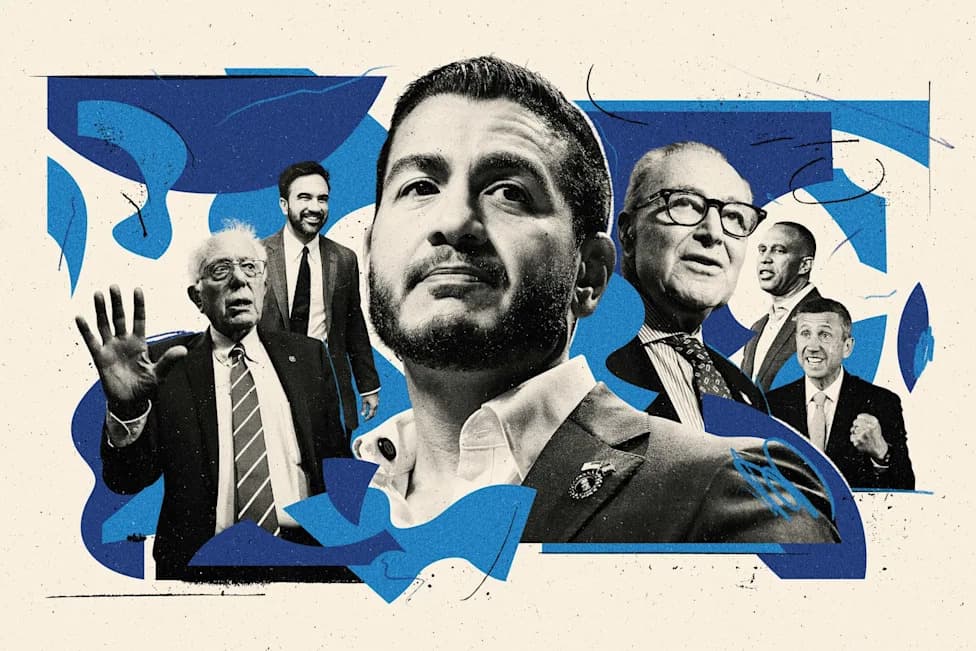
That combative posture increasingly sits at odds with a Democratic electorate that has energized around progressive candidates and policies. Recent primary victories—from Abdul El-Sayed in Michigan to high-profile contests in New York—along with the sustained activism behind figures such as Alexandria Ocasio-Cortez and Zohran Mamdani, indicate a growing appetite for bolder economic and social solutions.
Progressives have reframed debates on corporate power, health care, housing and foreign policy, refusing to default to conservative frames that demand moderation as the only path to electability. The result: a party base that looks less willing to cede terms of debate to cable pundits and centrist gatekeepers.
What This Means Going Forward
Democrats face a strategic crossroads. They can cling to a nostalgic confidence in triangulation and its celebrity strategists, or they can embrace a clearer, more ambitious policy agenda that speaks to voters' material concerns. The latter path risks difficult debates and internal friction—but it also promises clearer choices and, potentially, renewed political energy.
Carville's long run as the emblem of triangulation has shaped several decades of Democratic thinking. But the evidence increasingly suggests his playbook is not the default route to power it once seemed. For the party to move forward, voices that have long pushed incessant moderation should step back so new leaders and ideas can define the next era of Democratic politics.
Help us improve.