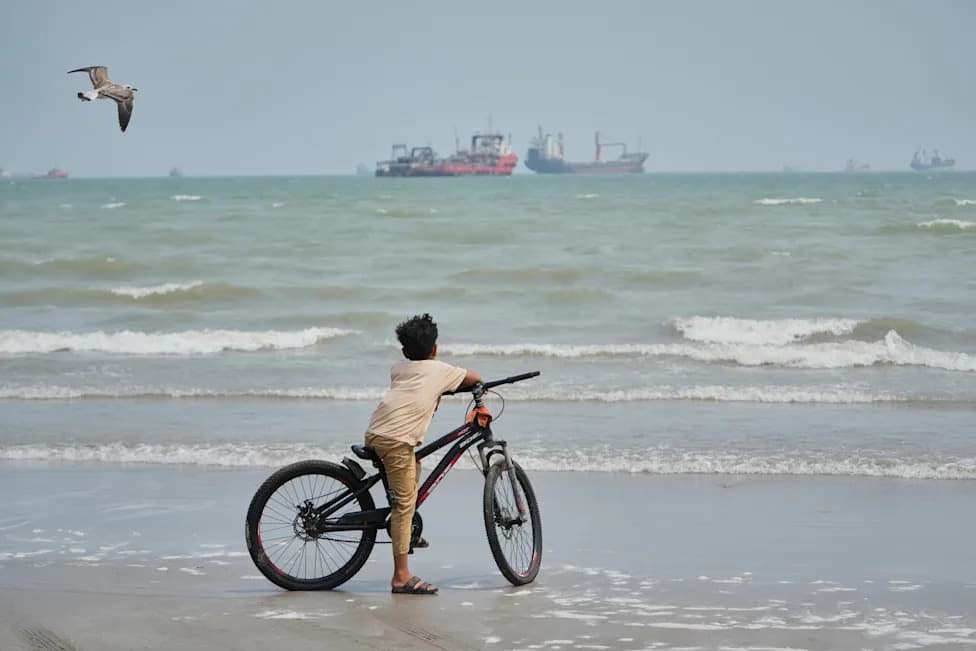
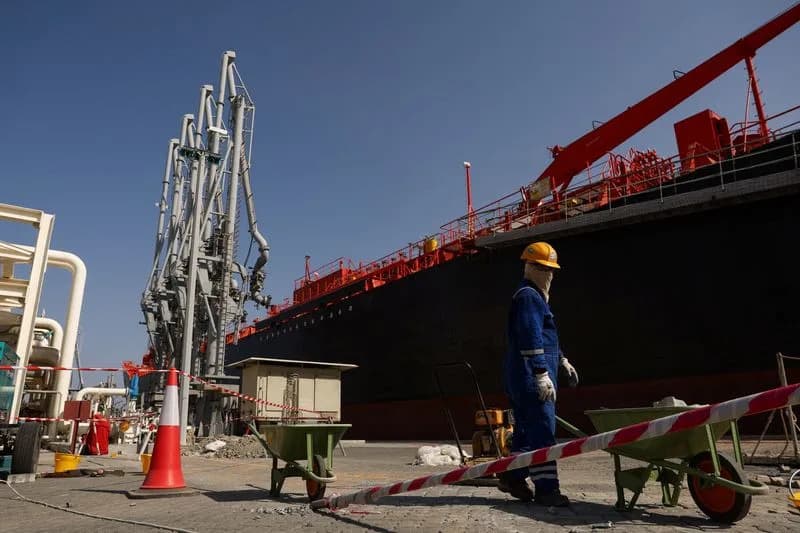
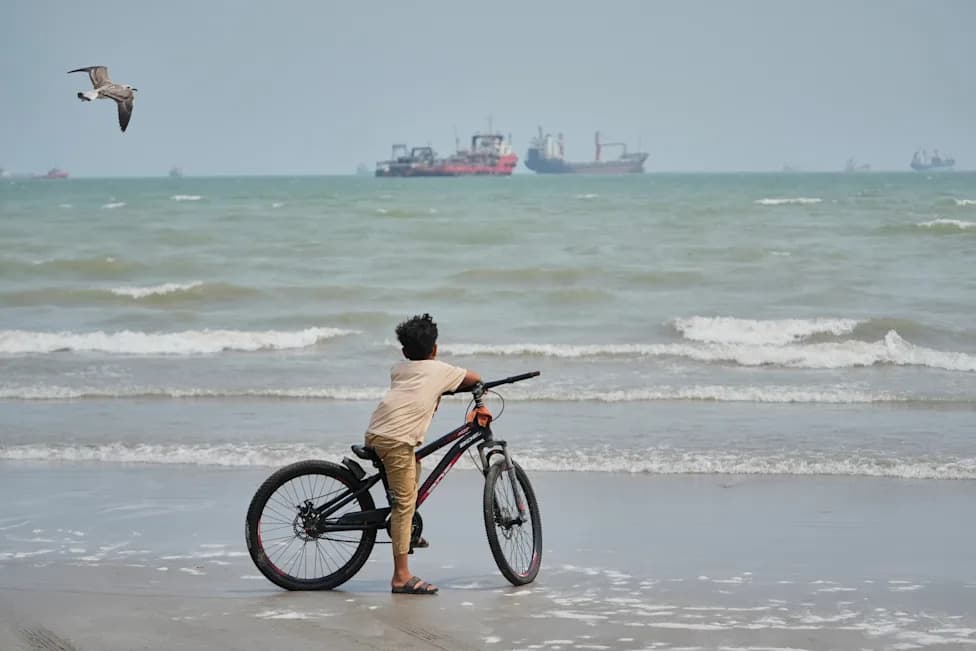
The Gulf remains trapped in an uneasy limbo between war and peace, UAE adviser Anwar Gargash warned. About 15 million of the prewar 20 million barrels per day still transit the Strait of Hormuz, keeping oil below $100 despite months of disruption, though LNG and fertilizers remain impeded. Pakistan is pressing for a 60-day pause under a new U.S.-Iran framework, but observers say only a durable settlement guaranteeing safe navigation will remove the recurring threat of war.
Gulf Stuck Between War and Peace as Energy Flows and Diplomacy Stall
Gulf stuck in war-and-peace limbo
Region Risks Prolonged Stalemate, UAE Adviser Warns
"The region cannot remain in a state of neither war nor peace indefinitely," Anwar Gargash, diplomatic adviser to UAE President Sheikh Mohamed bin Zayed, warned this week. Despite that admonition, the Gulf looks set to remain in a tense limbo: energy shipments continue unevenly, diplomatic efforts are tentative, and both Washington and Tehran appear to be maintaining wartime postures.
Stalemate and Energy Impact
The U.S. administration has pursued a relatively "low-key" strategy of economic pressure on Iran, according to reports, while the U.S. energy secretary says roughly 15 million barrels per day of the prewar 20 million-barrel flow through the Strait of Hormuz are still reaching global markets. Those continued oil flows have helped keep prices below $100 a barrel despite nearly six months of disruption, but bottlenecks remain: liquefied natural gas, fertilizers and other cargoes are still being delayed or blocked in the Gulf.
Diplomacy Attempts Fall Short
Diplomatic activity has been revived in fits and starts. Pakistan is reportedly pushing for a renewed 60-day pause under a proposed new U.S.-Iran framework. Observers including Abu Dhabi's The National argue that a temporary ceasefire would be insufficient: the Gulf needs a durable settlement that guarantees safe navigation through the Strait of Hormuz and removes the recurring threat of open conflict.
Military Maneuvers and Signal of Readiness
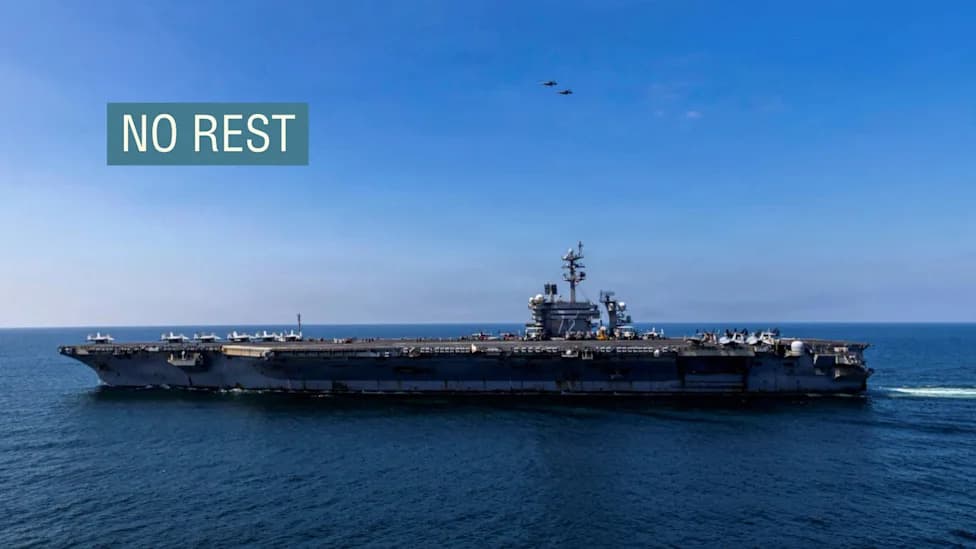
At the same time, both sides are signaling military readiness. U.S. forces are rotating carriers after extended deployments—the Wall Street Journal noted a fresh U.S. aircraft carrier will relieve one that spent more than 250 consecutive days at sea. U.S. defense officials have also said that a naval blockade or sustained maritime pressure on Iran could continue "indefinitely," underscoring the risk that the present stalemate could harden into long-term confrontation unless diplomatic progress is made.
Looking Ahead: Short pauses in hostilities can buy time, but analysts warn that only a durable agreement guaranteeing safe passage and de-escalation will remove the underlying sources of instability in the Gulf.
—Mohammed Sergie
Help us improve.