President Trump ordered the removal of the EMALS system from the Ford-class carrier USS Doris Miller and instructed Defense and Navy leaders to propose a steam-catapult retrofit plan within 60 days. General Atomics, the EMALS contractor, says the ship is nearly 50% complete and warned that a retrofit would carry major cost, schedule, and integration risks. Navy officials and industry leaders have pushed back, while Senator Mark Kelly sharply criticized the directive. The Pentagon now faces a rapid assessment of the technical and financial feasibility of the change.
Trump Orders Removal of EMALS From USS Doris Miller, Directing Steam Catapult Retrofit

Photo Credit: Anna Moneymaker/Getty Images News via Getty Images
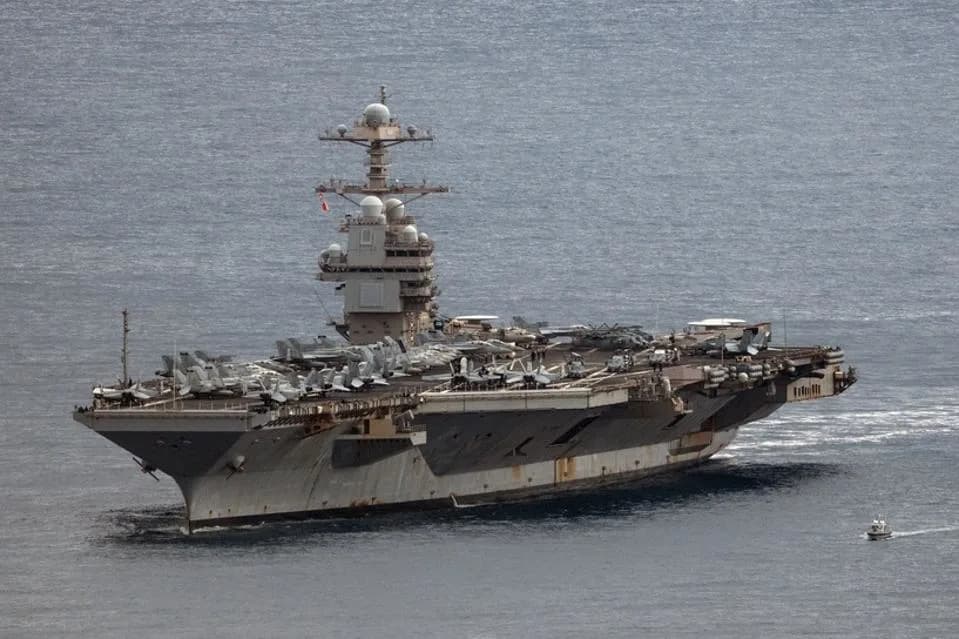
President Donald Trump has signed a national security memorandum directing the Pentagon to remove the Electromagnetic Aircraft Launch System (EMALS) from the Ford-class carrier USS Doris Miller and replace it with traditional steam catapults. The memorandum tasks Defense Secretary Pete Hegseth and acting Navy Secretary Hung Cao with delivering a transition plan within 60 days.
What the Order Says
The directive targets the carrier's launch system architecture and effectively calls for a retrofit that would reverse a core design choice of the Ford-class program. The Guardian first reported the memorandum, which instructs officials to propose the technical and budgetary steps needed to restore steam-driven catapults.
Program Status and Industry Response
The Ford-class program is already behind schedule by roughly two years. General Atomics, the contractor building the EMALS hardware, says construction of the USS Doris Miller is nearly 50% complete. The company warned that removing EMALS at this stage would introduce "significant cost, schedule, and integration risks," potentially disrupting systems that were designed around electromagnetic launch capability.
Administration Rationale
President Trump has expressed a preference for steam catapults since at least 2017, when he questioned the new digital systems in an interview with Time magazine. He has repeated an anecdote, attributed to a carrier catapult operator, in which the operator reportedly told him, "Steam is better, sir. We can fix it with a hammer and a blowtorch." The administration frames the move as a return to proven, maintainable technology.
Reactions From Navy Leaders and Lawmakers
Senior Navy officials and defense-industry leaders have pushed back, citing the technical challenges and heavy costs of retrofitting a design engineered for EMALS. Removing the electromagnetic system would not only require new hardware but could affect the ship's electrical, power-generation, and integration baselines.
Sen. Mark Kelly, a former carrier test pilot, criticized the order on social media: "I've launched off the front of aircraft carriers hundreds of times. Donald Trump should stick to what he knows best – ballrooms, bankruptcy, and bull****."
What Comes Next
With the Pentagon directed to submit a plan in 60 days, the Navy and contractors must assess whether a retrofit is technically and financially feasible, estimate additional costs and delays, and weigh operational trade-offs. Analysts expect rigorous cost-benefit analysis and possible legal or congressional review if the technical and budgetary impacts prove large.
Bottom line: The memorandum forces a high-stakes evaluation of whether to reverse course on a major systems choice in a flagship carrier program—potentially adding significant cost, complexity, and schedule risk.
Help us improve.