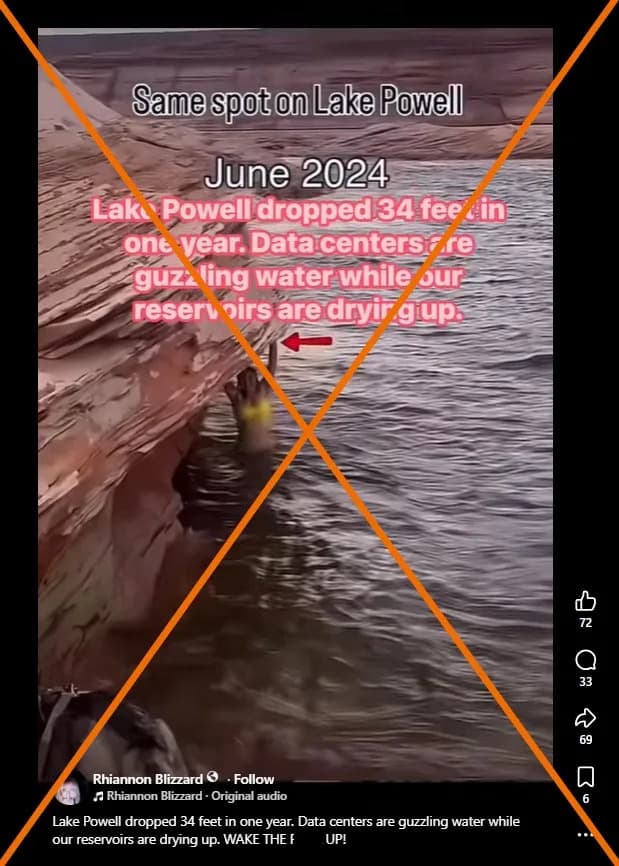
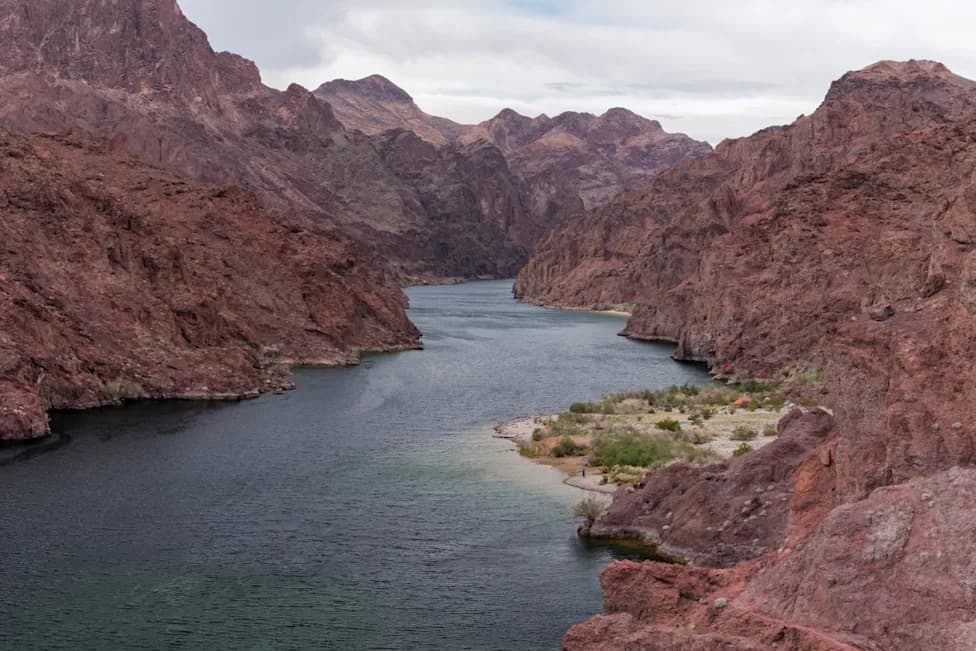
California faces a growing water emergency linked to the Colorado River’s declining flows and shrinking reservoirs. After decades of dry conditions and falling levels at Lake Powell and Lake Mead, the Lower Basin states — including California — face mandatory cuts if a long-term agreement is not reached. Short-term compromises (including a temporary 12% reduction for California) provide temporary relief, but the state needs a broad, long-term strategy: expanded storage, wastewater recycling, selective desalination, groundwater management and stronger conservation measures.
California's Looming Water Crisis: Why We Must Build More Water Infrastructure Now
California is facing a growing water emergency tied to the shrinking Colorado River and two dangerously low reservoirs. Without a stronger plan for storage, supply diversification and demand management, cuts to water deliveries could intensify — affecting cities, farms and ecosystems across the state.
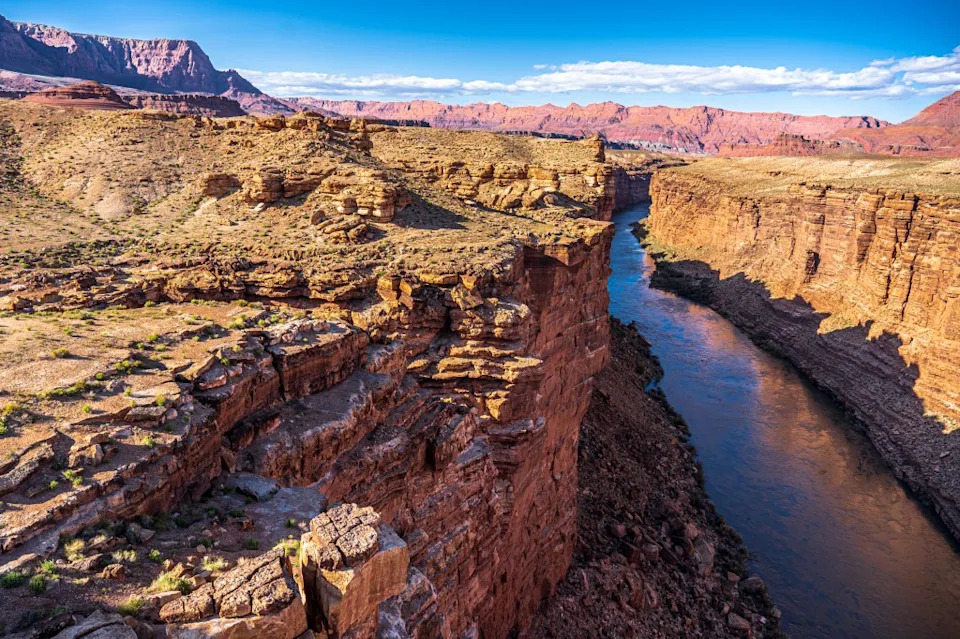
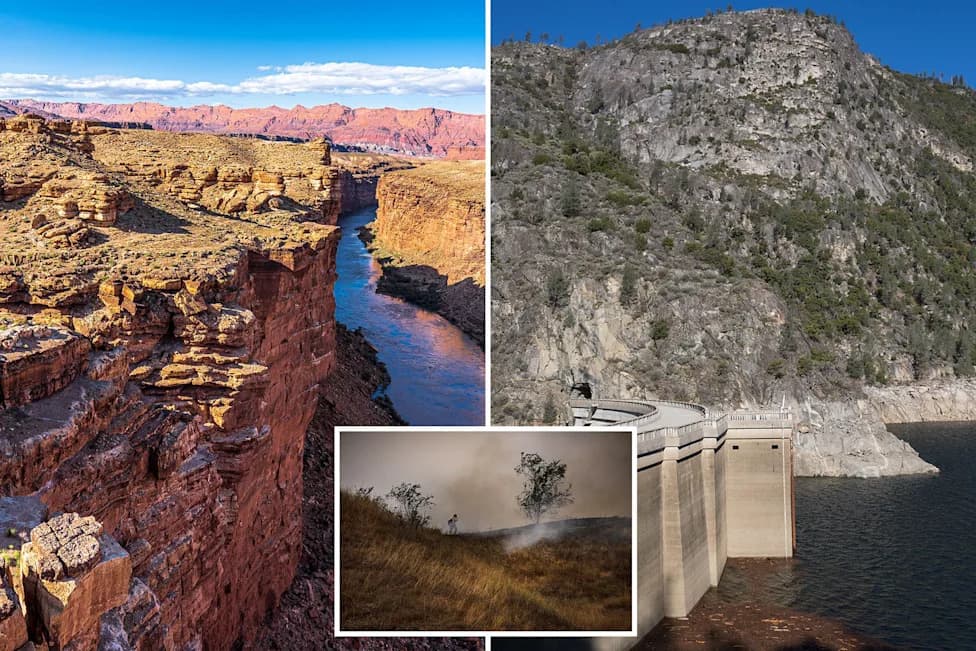
A view of Marble Canyon, the beginning of the Grand Canyon on the Colorado River, and the surrounding landscape is seen on Tuesday, April 25, 2023. (Moment RF) Getty Images
The Colorado River Under Strain
The Colorado River, which begins in the Rocky Mountains and winds through the Grand Canyon, once flowed to the Gulf of California. Today seven U.S. states and Mexico draw so much water from the basin that the river rarely reaches the sea. After roughly 25 unusually dry years, the system’s two largest reservoirs — Lake Powell and Lake Mead — are at historically low levels, forcing urgent negotiations over allocations.
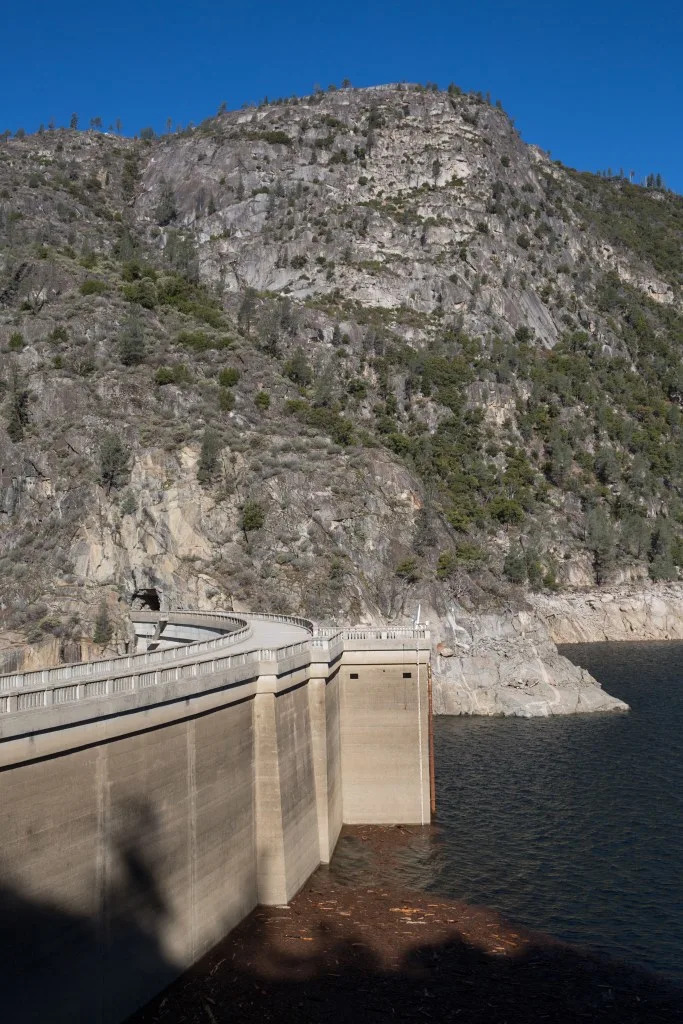
The O'Shaughnessy Dam at Hetch Hetchy Reservoir, a source of drinking water for 2.7 million people in the City of San Francisco, is seen on Oct. 28, 2021, in Yosemite National Park, California. California's Sierra Nevada mountain range water woes continue with most of the region still suffering from "exceptional" or "extreme" drought conditions. (Getty Images North America) Getty Images
Why California Is Vulnerable
The river supplies about one-third of Southern California’s water. Federal authority can impose cuts only on the Lower Basin states (Nevada, Arizona and California), not on the Upper Basin (Wyoming, Utah, Colorado and New Mexico). A recent two-year compromise required modest cuts, including a roughly 12% reduction for California, but that is a short-term fix that can be revisited only every two years.
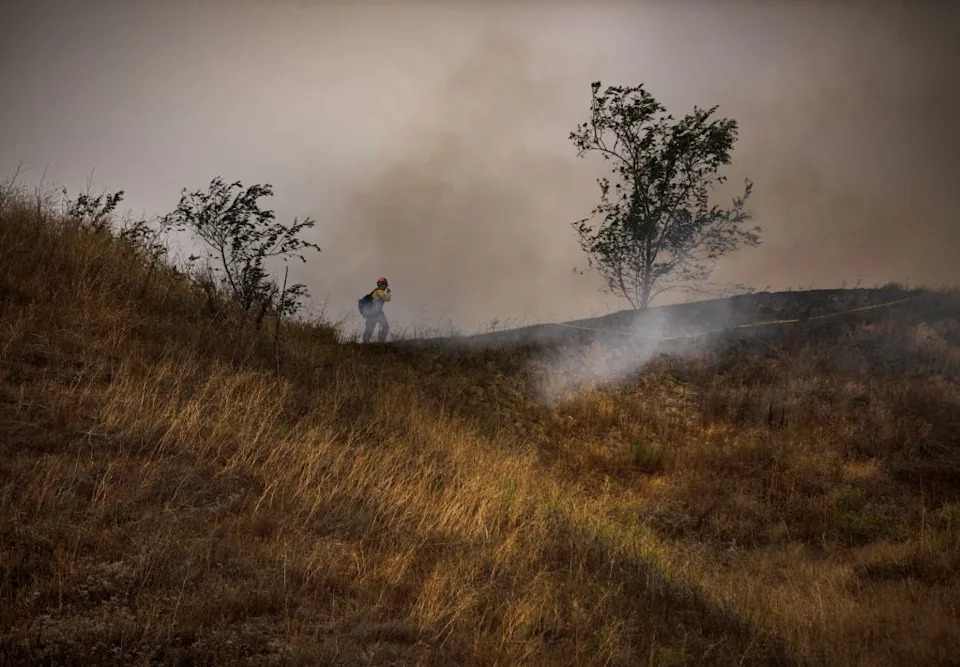
Firefighters keep watch on a canyon fire on Saturday, April 25, 2026, in Brea, California. The Carbon Canyon fire burned close to homes, resulting in voluntary evacuations. (MediaNews Group RM) MediaNews Group via Getty Images
Historic Infrastructure, Environmental Costs
California’s modern growth has been enabled by massive water projects: Hetch Hetchy for San Francisco, the Los Angeles aqueduct from Owens Valley, the Colorado River diversions to the Imperial Valley, and New Deal-era dams and aqueducts that moved Northern California water south. Many of those projects carried environmental trade-offs: flooded valleys, altered ecosystems and long-term impacts like the Salton Sea.
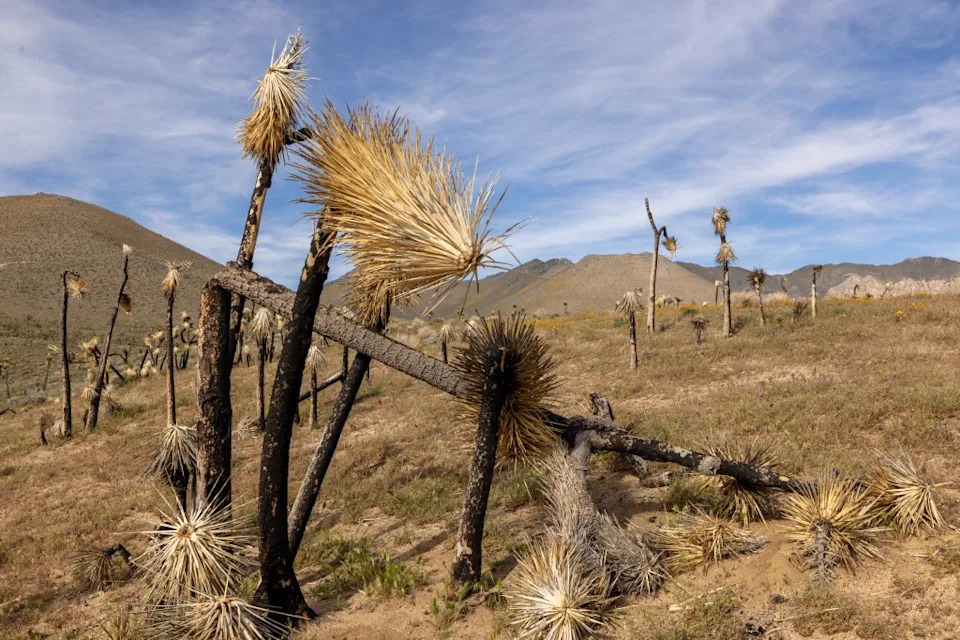
A forest of dead Joshua trees and chaparral yuccas is seen years after being destroyed in an intense wildfire on Thursday, March 26, 2026, near Inyokern, California. The effects of climate change and increasing invasive grasses are causing more destructive wildfires, destroying millions of California's iconic Joshua trees. (Getty Images North America) Getty Images
What Has Changed — And What It Means
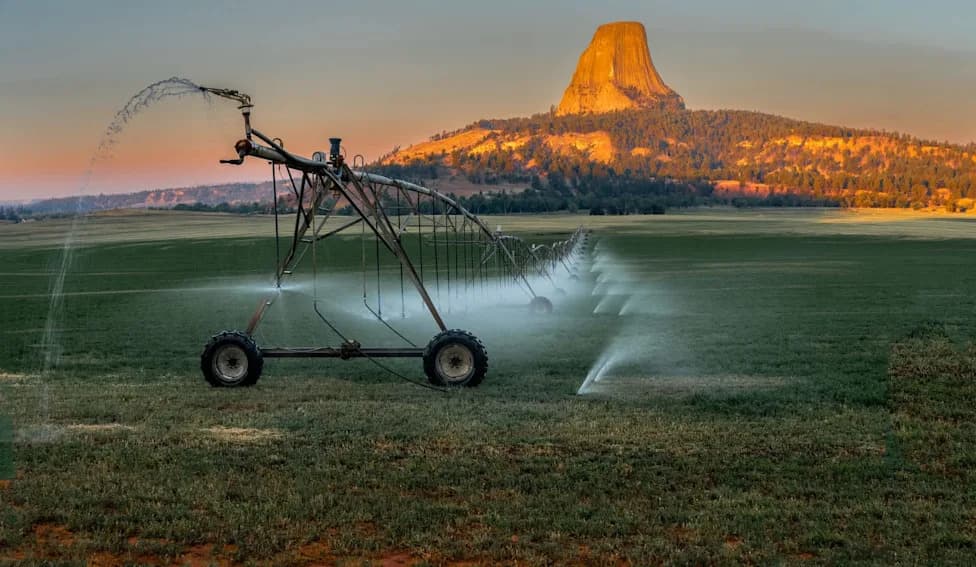
California has not built a major new dam in roughly 50 years while its population roughly doubled. In drought years, farmers increasingly rely on groundwater pumping, which has raised costs, forced some farms out of business and caused land subsidence. Climate change is intensifying variability: extreme dry spells, larger wildfires and more volatile precipitation patterns.
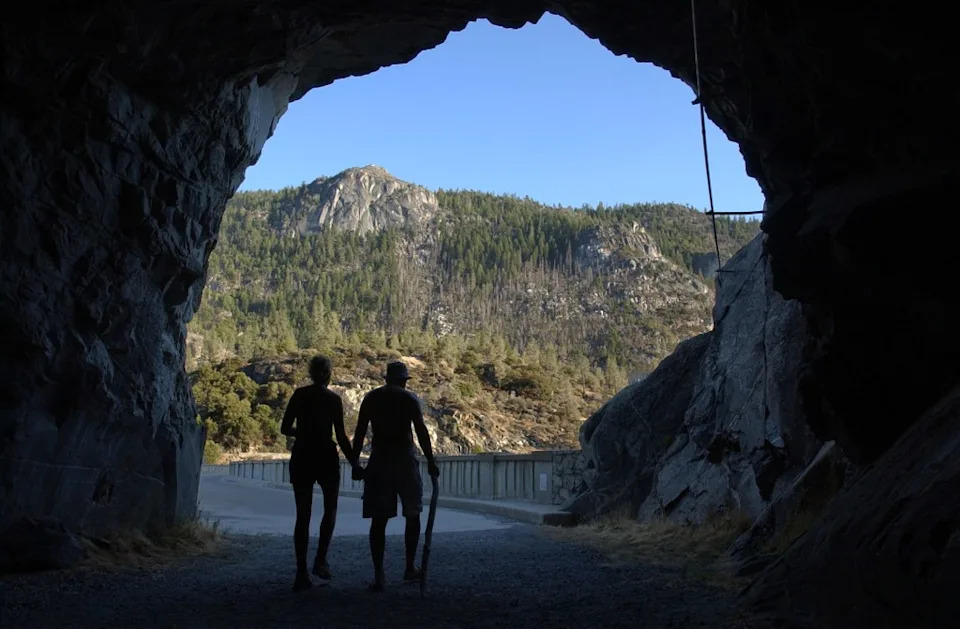
Day hikers emerge from a tunnel leading to the O'Shaughnessy Dam and the Hetch Hetchy reservoir on Friday, Sept. 20, 2002, in Yosemite National Park. Since 1934, the Hetch Hetchy Valley has been managed by San Francisco to ensure a steady supply of drinking and irrigation water for millions of Californians, but the city is now struggling to keep the aging system from disintegrating. (AP) AP
Options: Storage, Desalination, Recycling, Conservation
No single solution will suffice. Policy-makers and water agencies should pursue a portfolio approach that includes:
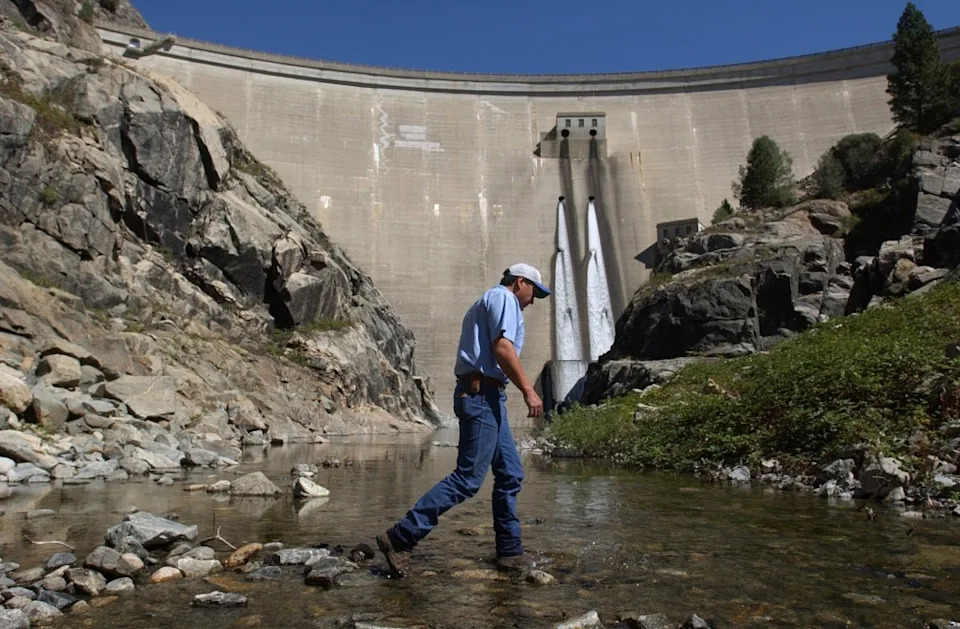
Hetch Hetchy Water & Power watershed keeper Mike Fong crosses a shallow area of the Tuolumne River in front of the O'Shaughnessy Dam inside Yosemite National Park on Friday, September 20, 2002. Since 1934, the Hetch Hetchy Valley has been managed by San Francisco to ensure a steady supply of drinking and irrigation water for millions of Californians, but the city is now struggling to keep the aging system from disintegrating. (JULIE JACOBSON) AP
- Expanded storage: both surface reservoirs and managed aquifer recharge to capture wet-year flows for dry periods.
- Recycled water: advanced wastewater treatment and potable reuse to return high-quality water to local systems.
- Targeted desalination: strategically sited plants that include emissions mitigation and brine management to reduce environmental impacts.
- Improved conveyance and efficiency: repairing aging infrastructure, reducing leaks, and modernizing irrigation and urban water use.
- Stronger groundwater management: enforceable pumping limits, recharge projects and incentives to prevent further subsidence.
- Demand reduction: pricing, conservation programs and urban design that uses less water over time.
Act Now — Not Later
An El Niño year may bring temporary relief, but episodic wet years do not solve the long-term decline in Colorado River supplies or California’s structural water-management gaps. If the river’s flows diminish further, delayed investments will make recovery far more costly and painful. California needs a comprehensive, well-funded infrastructure strategy now: more storage, diversified supplies, better conservation and resilient governance that shares risk across urban, agricultural and environmental users.
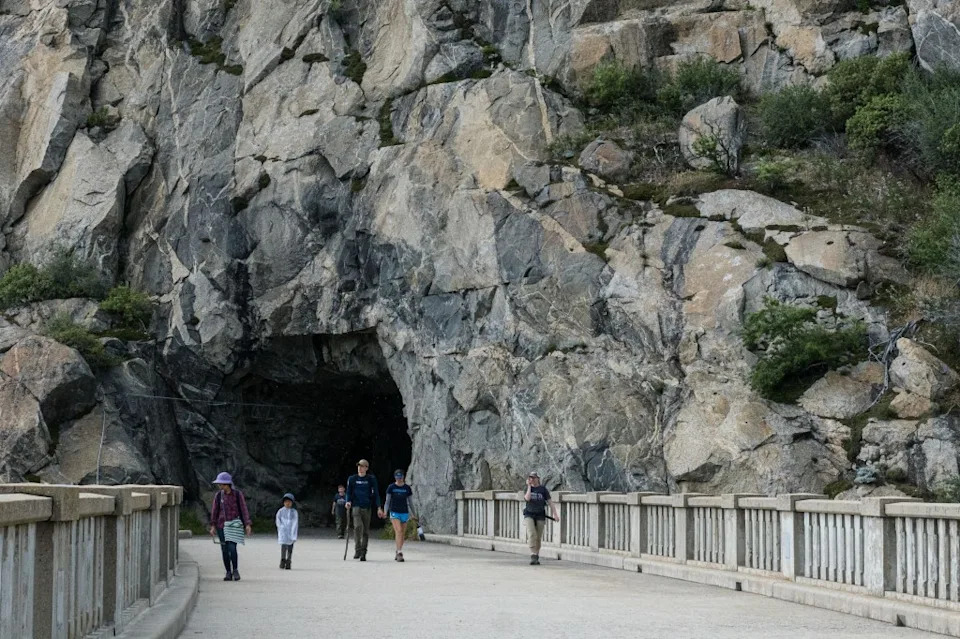
Park visitors walk along O'Shaughnessy Dam, having exited from a tunnel connecting to hiking trails at Hetch Hetchy, on Wednesday, June 14, 2023, in Yosemite National Park, California. (The Washington Post) The Washington Post via Getty Images
Joel Pollak is Opinion Editor at the California Post.
Help us improve.