A jury of 12 jurors and four alternates has been seated to decide whether Duane "Keffe D" Davis is guilty of murdering Tupac Shakur nearly 30 years after the 1996 shooting. Davis, 63, has pleaded not guilty to first-degree murder and a gang-related enhancement; passages from his memoir and prior police interviews have been ruled admissible. Jurors were vetted for exposure to gangs, rap culture and media coverage; opening statements are set to begin Monday and the trial is expected to last four to five weeks. If convicted, Davis will be sentenced by the judge after he waived jury sentencing.
Jury Seated in Duane “Keffe D” Davis Trial Nearly 30 Years After Tupac’s Killing
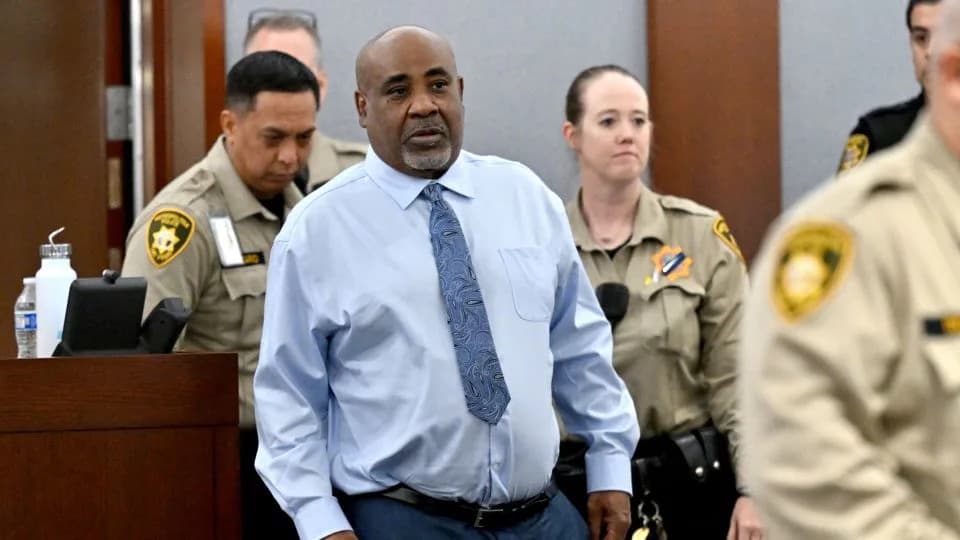
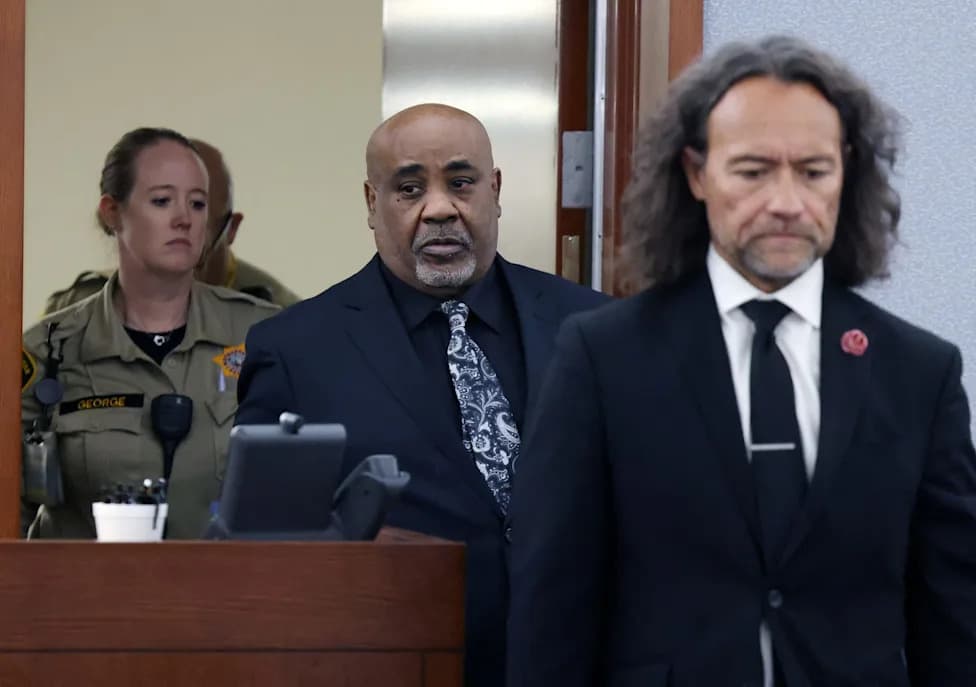
Duane Davis arrives for the first day of jury selection in his murder trial related to the 1996 killing of rapper Tupac Shakur at Clark County District Court's Regional Justice Center in Las Vegas, Nevada, on August 10, 2026. The trial of a former gang leader accused of orchestrating the murder of rapper Tupac Shakur finally began on August 10, 30 years after one of America's most high-profile unresolved killings. The proceedings, expected to last a month, will likely not make clear who fired the shots that killed the California hip-hop legend on the night of September 7, 1996, while he was in Las Vegas to see a Mike Tyson boxing match. (Photo by David Becker / POOL / AFP via Getty Images) - David Becker/Pool/AFP/Getty Images
Nearly three decades after Tupac Shakur was fatally shot near the Las Vegas Strip, a jury has been seated to decide whether Duane "Keffe D" Davis is responsible for the 1996 killing. Twelve jurors and four alternates — a panel of 16 people (10 women and six men) — will hear evidence in a case that has long spawned documentaries, books and conspiracy theories.
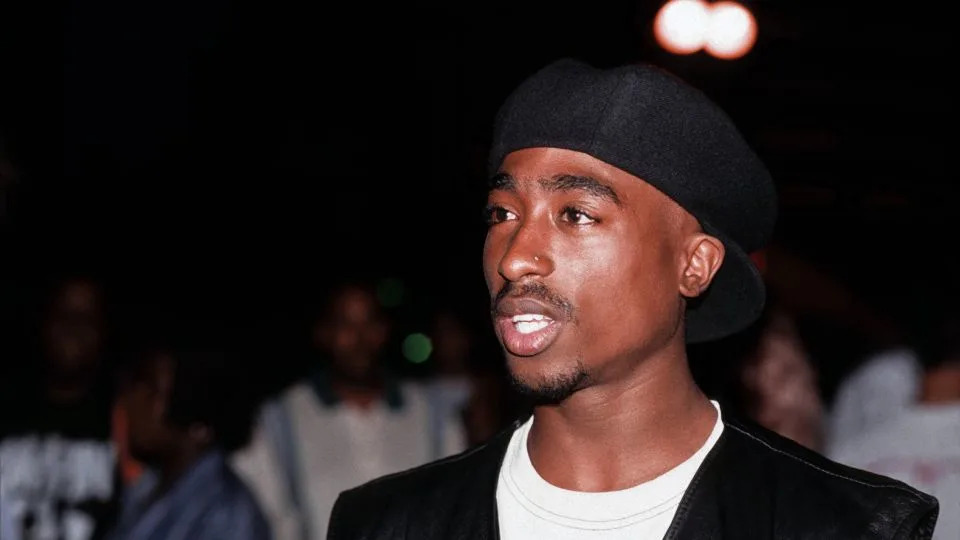
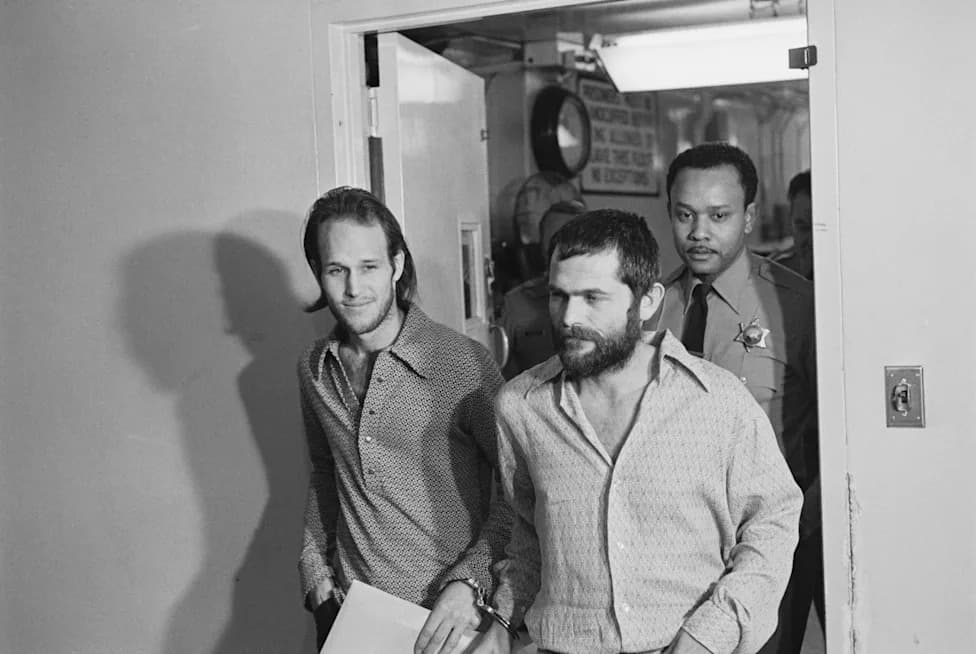
Shakur was killed almost 30 years ago, at the age of just 25. - Al Pereira/Michael Ochs Archives/Getty Images
Jury Selection And Who Sits On The Panel
Jurors were chosen after several days of intense questioning of more than 100 Clark County residents summoned to a Las Vegas courtroom. The youngest juror is 21, born nine years after Shakur’s death, while the panel overall includes a cross-section of ordinary citizens—from a mail carrier to a self-improvement coach. Potential jurors were asked about gangs, guns, rap music, media exposure and their ability to set aside preconceptions formed from decades of coverage and popular culture.
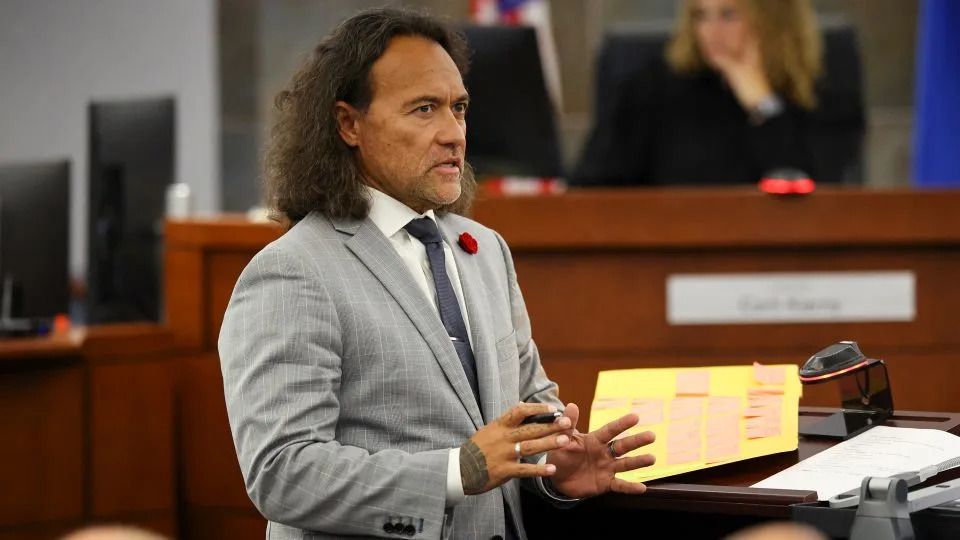
Attorney Michael Sanft speaks during the second day of jury selection in the murder trial related to the 1996 killing of rapper Tupac Shakur. - Daniel Cole/AFP/Getty Images
Charges And Evidence
Davis, 63, is the first and only person charged in the death of Tupac Shakur. He has pleaded not guilty to first-degree murder with a deadly weapon and to a gang-related enhancement alleging the killing was intended to promote or assist a criminal gang. Prosecutors say Davis did not necessarily fire the shots but instead orchestrated the attack; they have pointed to passages in his memoir, Compton Street Legend, and to prior police interviews. The judge has ruled those materials admissible, even while describing the memoir in court as a work of fiction.
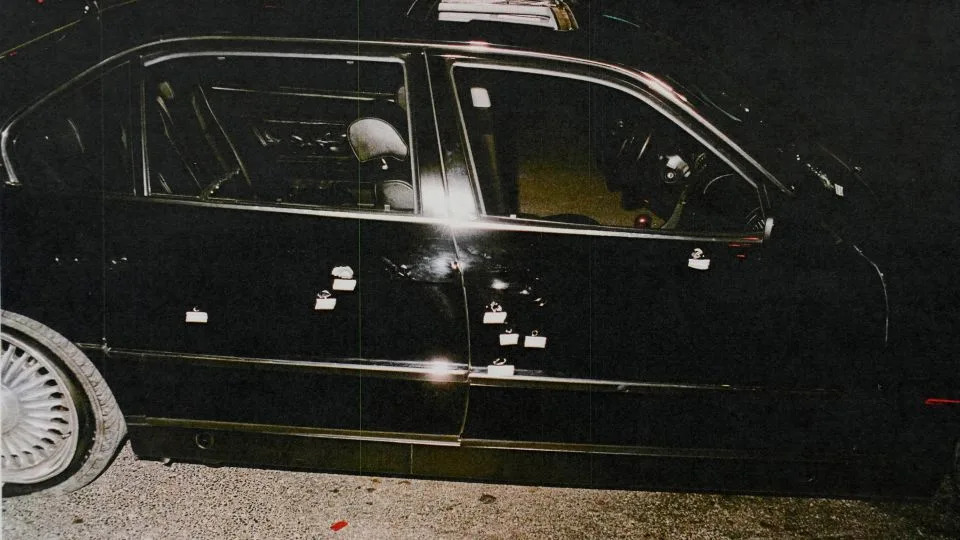
The bullet-riddled car in which rapper Tupac Shakur was fatally shot in September 1996, in Las Vegas. (Las Vegas Metropolitan Police Department via AP, File) - Las Vegas Metropolitan Police Department/AP
Courtroom Atmosphere
The courtroom has reflected Tupac’s enduring cultural impact: attendees have included fans wearing Tupac shirts, former associates, and relatives. To limit influence and spectacle, the court prohibited clothing, buttons or other items that display names, photos or symbols related to the case. Attorneys probed jurors’ media exposure, including whether they had seen recent coverage such as the Netflix docuseries Sean Combs: The Reckoning, because public discussion and documentaries have shaped many people’s views of the 1990s rap scene.
Notable Names And Potential Witnesses
Prosecutors read a long list of potential witnesses to the jury pool—including Marion "Suge" Knight and Sean Combs (also known as "Diddy"). Palal, the lead prosecutor, said only about 30–40 witnesses are likely to be called at trial, despite a list of more than 200 names. Several prospective jurors reported tangential past encounters with high-profile figures but said those experiences would not affect their ability to remain impartial.
The Night Of The Shooting
On Sept. 7, 1996, after watching Mike Tyson fight Bruce Seldon at the MGM Grand, Tupac was riding in a black BMW with Marion Knight when gunfire hit the vehicle on East Flamingo Road. Several bullets struck Tupac, one puncturing his lung; he was on life support for six days before dying at age 25. Davis’s memoir recounts being in Las Vegas that night with members of the Southside Compton Crips and says his nephew Orlando "Baby Lane" Anderson was assaulted at the MGM shortly after the fight—a confrontation Davis links to later events but does not explicitly attribute as the decision to carry out the shooting.
What Comes Next
Opening statements are scheduled to begin on Monday, and the trial is expected to last four to five weeks. On the first day of jury selection, Davis waived his right to have the jury decide his sentence; if convicted, he will be sentenced by the judge. The proceedings promise to revisit a landmark moment in hip-hop history while testing jurors’ ability to weigh decades-old facts amid persistent public interest.
Note: This article presents court proceedings and allegations; Davis has pleaded not guilty and is presumed innocent until proven guilty in court.
Help us improve.