The HHS-commissioned report 'Wolves in White Coats' presents three detransitioners' claims that doctors and hospitals pushed adolescents into gender-transition treatments, in some cases while they were minors. It details rapid medical escalation—puberty blockers, hormones and surgeries—followed by complications, inadequate reassessment and weak post-treatment support. The report also alleges that financial incentives and insurance billing practices may have influenced providers and calls for further oversight.
HHS Report Profiles Three Detransitioners Who Say Doctors Pressured Teens Into Early Medical Transition

The stories of Clementine Breen, Soren Aldaco and Luke Healy were featured in the Department of Health and Human Services' "Wolves in White Coats: How Doctors and Hospitals Pushed and Profited from the Fraud of "Gender Medicine" report.
A new U.S. Department of Health and Human Services (HHS)–commissioned report, titled 'Wolves in White Coats: How Doctors and Hospitals Pushed and Profited from the Fraud of "Gender Medicine,"' profiles three people who detransitioned and say medical providers steered them into gender-transition treatments while they were minors or adolescents.
Key Allegations
The report contends that financial incentives and certain insurance billing practices may have encouraged hospitals and clinicians to recommend and perform gender-transition procedures for young people. It also raises concerns about the speed of medical escalation, limited consideration of alternative treatments, and inadequate follow-up or reassessment when patients experienced harm.
Individual Accounts
Clementine Breen
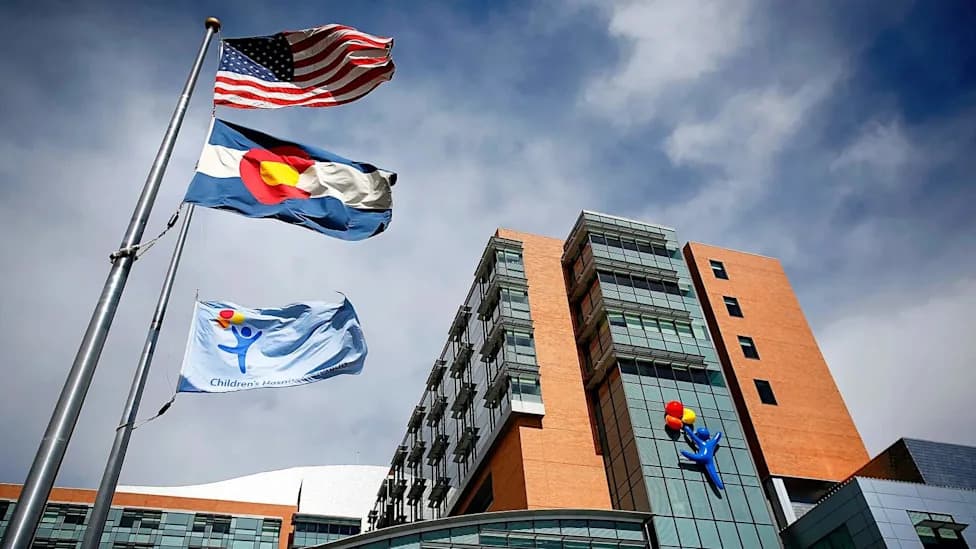
According to the report, Breen first encountered information about transitioning online at about age 12 while coping with puberty and unresolved trauma from earlier sexual abuse. Clinicians at Children's Hospital Los Angeles are described as telling her parents she was "100% trans" and at high risk of suicide without medical intervention. Breen reportedly began puberty blockers at 12, started testosterone at 13, and had a double mastectomy at 14. After subsequent therapy, she stopped testosterone at 18, concluding that some distress was linked to earlier trauma. Breen reports ongoing physical problems, difficulty obtaining reconstruction care, and questions whether a child can meaningfully consent to procedures that affect fertility and breastfeeding.
Soren Aldaco
The report says Aldaco's gender-related distress emerged in adolescence and that online communities framed transition as the appropriate response. After a medical consultation, Aldaco was prescribed testosterone and later underwent a double mastectomy. Aldaco experienced severe postoperative complications and long-term pain. The report criticizes the apparent lack of structured reassessment after complications and says post-treatment support was far weaker than the coordinated pathway that led to the interventions.
Luke Healy
Healy first encountered online communities about transgender identity around age 10 and came to identify as a girl within a few years. His parents declined to consent to puberty blockers or hormones while he was a minor; the report notes Healy now regards their refusal as courageous. At 18 he began estrogen and explored surgical options, later concluding the treatments did not resolve his psychological distress. Healy described pressure to pursue further procedures, a feeling of being "sold" surgeries rather than offered psychological care, and the development of substance-abuse issues during the process.
Broader Findings and Calls for Scrutiny
Beyond individual stories, the HHS report argues that some hospitals and providers operated with financial motives and employed billing practices that deserve further investigation. It highlights an imbalance: coordinated, multi-provider pathways leading into medicalization versus minimal systems for reassessment, reversal, or long-term support when treatments proved harmful.
Report Note: The document calls for closer oversight of clinical pathways, insurance billing, and the systems that enabled rapid escalation of interventions for young people.
The report presents these accounts as reasons to reexamine clinical practices and safeguards for minors facing decisions about gender-related medical care. Advocates on different sides of the debate are likely to respond strongly to the report's findings and recommendations.
Help us improve.